The US–Iran conflict has demonstrated how artificial intelligence and relatively inexpensive unmanned systems are changing the character of modern warfare. The growing use of AI-assisted targeting, autonomous surveillance and low-cost attack drones points towards a battlefield where speed, scale and data processing could become as important as traditional firepower. It has also exposed a serious gap between the rapid development of military technology and the international rules governing its use.
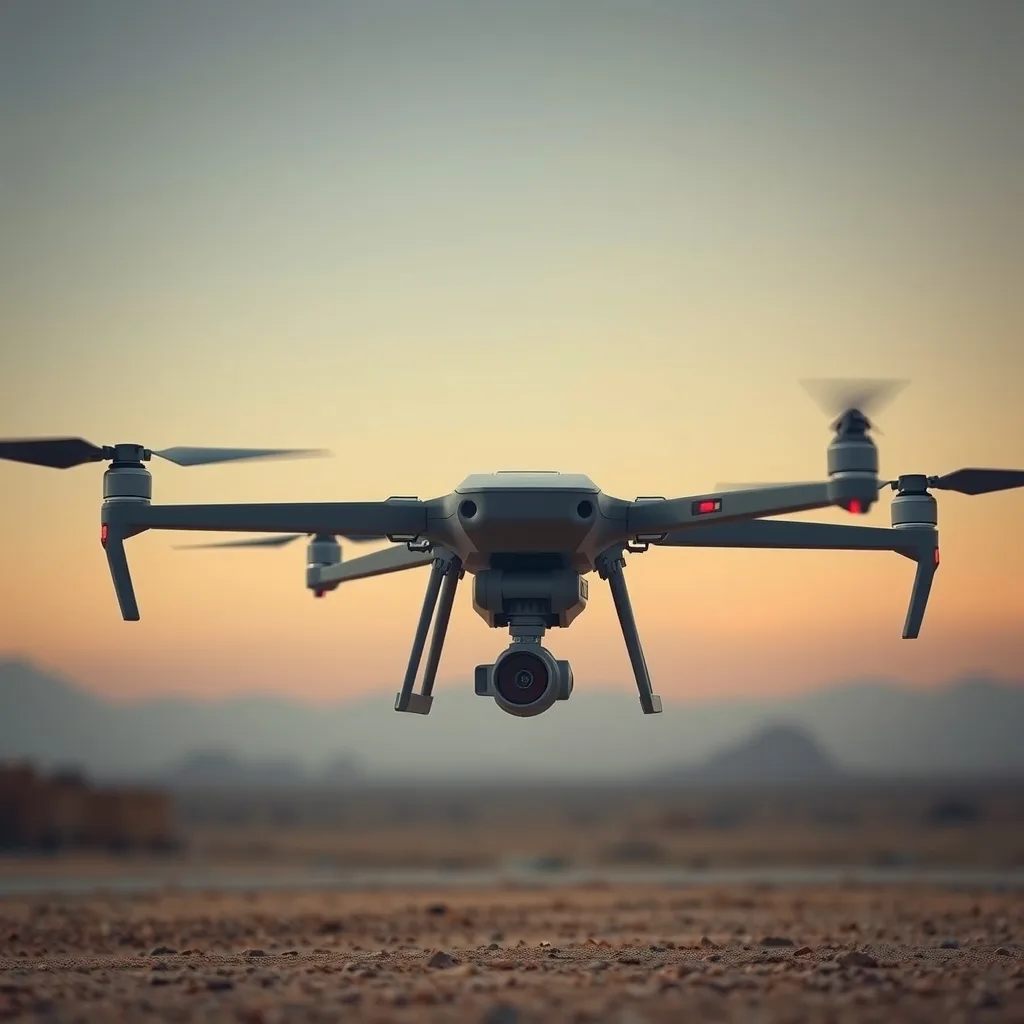
For decades, military superiority was closely associated with advanced aircraft, precision-guided missiles, naval power and sophisticated command systems. These capabilities remain important, but the expanding role of unmanned platforms is changing the cost and operational calculations of warfare. A relatively inexpensive drone can now perform surveillance, identify potential targets and carry out an attack that might previously have required a much more expensive weapons system.
The recent US–Iran confrontation offered a glimpse of this emerging model. American forces employed AI-supported intelligence and targeting systems to process information from drones, satellites and other sources. These systems helped military commanders identify potential targets and accelerate operational decisions. The scale of the strikes during the conflict illustrated how data processing and automated analysis can influence the tempo of military operations.
One of the most significant developments was the deployment of low-cost one-way attack drones by American forces. These platforms represent a shift towards weapons that can be produced and deployed in larger numbers without the financial burden associated with advanced cruise missiles. Iran, meanwhile, relied on its own drone capabilities, including Shahed-series systems, to threaten military installations and regional infrastructure.
The significance lies not simply in the use of drones by both sides, but in the changing economics of military power. A sophisticated missile can cost millions of dollars, while a comparatively inexpensive drone can force an adversary to expend costly interceptor missiles or dedicate substantial resources to air defence. This imbalance creates pressure on even technologically advanced militaries.
Artificial intelligence adds another dimension to this equation. Modern military operations generate enormous volumes of information from surveillance aircraft, satellites, radar systems, electronic sensors and ground-based intelligence. Human operators cannot independently process all this information at the speed required in a rapidly changing battlefield. AI-assisted systems can organise the data, identify patterns and help commanders prioritise potential targets.
The advantage is operational speed. Forces capable of processing information faster than their adversaries can shorten the time between detecting a threat and responding to it. However, faster decisions do not automatically produce better decisions. The reliability of the information, the quality of the algorithms and the ability of human operators to verify recommendations remain critical.
This is particularly important when AI is integrated into targeting systems. An algorithm may identify a vehicle, building or individual as a potential military target based on patterns in available data. But identifying an object is not the same as establishing its legal status or determining whether an attack would be proportionate. Those decisions require context, judgement and accountability.
The risks become greater when such systems are combined with large numbers of inexpensive drones. A swarm of unmanned aircraft can overwhelm conventional air-defence systems by forcing them to track and respond to multiple incoming threats simultaneously. Even when most drones are intercepted, the attacker may achieve its objective by exhausting defensive ammunition, disrupting operations or creating uncertainty.
The proliferation of these technologies also presents a challenge beyond conventional state militaries. Commercial drones, readily available sensors and increasingly accessible AI tools are lowering the barriers to developing more sophisticated unmanned systems. Terrorist organisations and other non-state actors could exploit these technologies for surveillance, attacks on infrastructure and disruption of civilian services.
The danger is not limited to the physical damage caused by a drone strike. AI-enabled systems can also be used to identify individuals, monitor movements and gather intelligence on critical infrastructure. The integration of facial recognition, automated surveillance and autonomous navigation could expand the ability of armed groups and governments to monitor populations.
For military planners, the central challenge is therefore becoming twofold: developing effective unmanned capabilities while building defences against increasingly sophisticated and affordable threats.
The US–Iran conflict also highlighted the importance of electronic warfare and counter-drone systems. Drones depend on navigation, communications and sensor inputs, making them vulnerable to jamming, spoofing and other forms of electronic interference. As unmanned platforms become more autonomous, however, disrupting their communications may not always be sufficient. Future systems could continue operating using onboard sensors and pre-programmed instructions even after losing contact with their operators.
This creates a more complex contest between offensive and defensive technologies. Militaries will need layered air defences combining radar, electronic warfare, guns, interceptor drones and conventional missiles. The objective will be to match the cost of defence more closely with the cost of the incoming threat. Using an expensive interceptor against every low-cost drone is unlikely to remain sustainable in a prolonged conflict.
India and other countries facing complex security environments have particular reasons to study these developments. The expanding use of drones in conflicts across West Asia, Europe and other regions has demonstrated that unmanned systems are no longer specialised equipment reserved for technologically advanced militaries. They are becoming an integral part of modern combat.
For India, the implications extend across conventional military operations, border surveillance, counter-terrorism and the protection of critical infrastructure. The proliferation of relatively inexpensive drones creates risks along land borders and around sensitive military installations. At the same time, AI-supported surveillance and unmanned platforms offer opportunities to improve situational awareness and reduce the exposure of personnel to hostile fire.
The response cannot depend entirely on importing advanced platforms. Developing domestic capabilities in drone manufacturing, electronic warfare, sensors, navigation systems and AI software will be essential. Equally important will be the ability to integrate these technologies into existing command structures and train personnel to operate in an environment where decisions increasingly depend on machine-assisted intelligence.
Yet the technological race cannot be separated from the question of international regulation. The existing laws of armed conflict apply to the use of autonomous weapons, but they were not designed with the speed and scale of AI-enabled targeting systems in mind. The principles of distinction, proportionality and precaution remain fundamental, but applying them becomes more difficult when machines process information and recommend targets faster than human operators can independently verify the underlying data.
International discussions on lethal autonomous weapons have continued for years without producing a comprehensive binding agreement. Major military powers remain divided over how much autonomy should be permitted, what level of human control should be mandatory and whether restrictions should apply to particular categories of weapons or specific functions.
The absence of agreement creates uncertainty. Countries developing autonomous systems have incentives to preserve operational flexibility, while others fear that an unchecked technological race could lower the threshold for using force. Smaller states may also struggle to defend themselves against opponents capable of deploying large numbers of inexpensive autonomous platforms.
A workable international framework would need to establish clear standards for human oversight, accountability, target verification and the circumstances in which autonomous systems may be used. It would also need mechanisms to address the transfer of sensitive technology to non-state actors. Regulation should not prevent legitimate military innovation, but technological progress cannot be treated as an exemption from humanitarian obligations.
The most important lesson from the US–Iran conflict is that military advantage is increasingly determined by the ability to combine intelligence, software, autonomous platforms and conventional