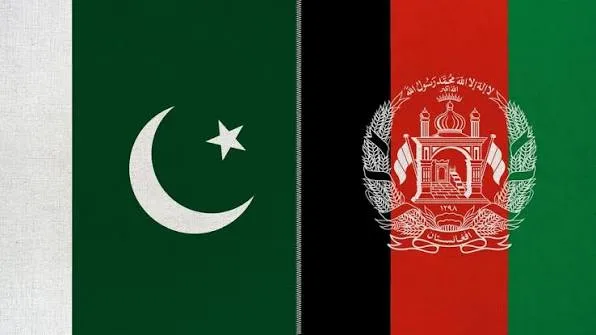
Pakistan on Saturday urged the Taliban government in Afghanistan to act against militants it says operate from Afghan soil, and rejected Kabul's claim that Islamabad is using Afghanistan to cover for its own security failures. The exchange comes after three weeks of border clashes that have followed the collapse of talks in Moscow.
In a statement on social media, Pakistan's Information Ministry denied accusations that it arms Afghans to fight the Taliban or recruits them against anti-Pakistan insurgents. It said those accusations ignore documented concerns, among them attempted infiltration across the border, deaths of Afghan nationals and militants in Pakistani counterterrorism operations, and the recovery of foreign-origin weapons. The ministry called on the Taliban to end any tolerance or support for groups including the Pakistani Taliban and the Baloch Liberation Army, and said its operations target militants, not Afghans.
Pakistani authorities say more than 2,800 militant attacks since January have killed about 3,000 people, mostly in the northwest and in Balochistan. A US estimate covering January to March put the Pakistani Taliban at between 4,000 and 6,000 fighters. Kabul denies sheltering them.
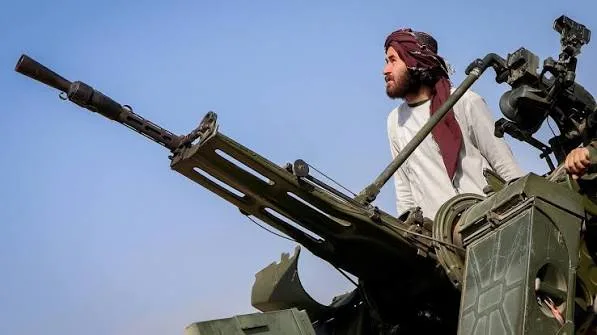
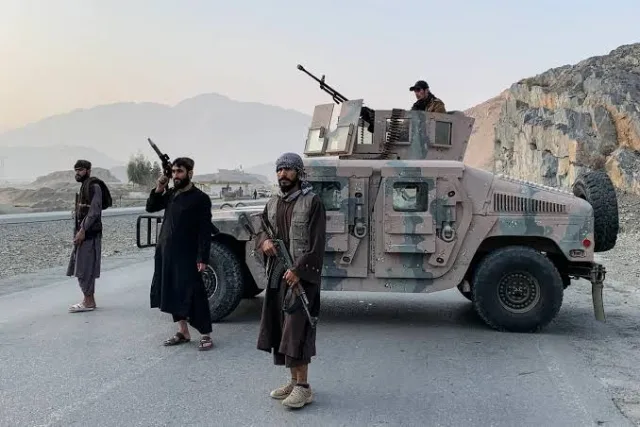
The fighting has been mostly along the border between Pakistan's Khyber Pakhtunkhwa province and Afghanistan's Paktia province since 5 October. Pakistan's military media wing said forces killed 12 militants and Afghan Taliban fighters in Kurram district on 10 October, with one Pakistani soldier killed, and that Afghan posts fired in support of an infiltration attempt. A Taliban army corps said Pakistani forces fired first in Paktia and that it suffered no casualties. Those accounts conflict and neither has been independently confirmed.
Talks in Moscow involving Afghanistan, Pakistan, Russia, India, China, Iran and others ended on 5 October without a joint statement. Russia's envoy said the Taliban objected to repeated language linking Afghanistan to terrorism. Pakistan's special representative for Afghanistan, Mohammad Sadiq, described cross-border operations as self-defence.
At home, Islamabad is dealing with a political and security crisis in the same border region. On 11 October President Asif Ali Zardari declared a state of emergency in Khyber Pakhtunkhwa and suspended the provincial government, which is run by Imran Khan's party, handing authority to the federally appointed governor. The federal cabinet said the provincial government had disengaged from counterterrorism. The move followed protests demanding Khan's release and came ahead of a planned march on Islamabad.
A suicide attack in the northwest on 18 September that killed 31 people and injured more than 100 lies behind much of Pakistan's current stance. A UN special rapporteur, Richard Bennett, called on 12 October for an independent investigation into Pakistani attacks that he said may amount to war crimes. Pakistan has not accepted that characterisation.