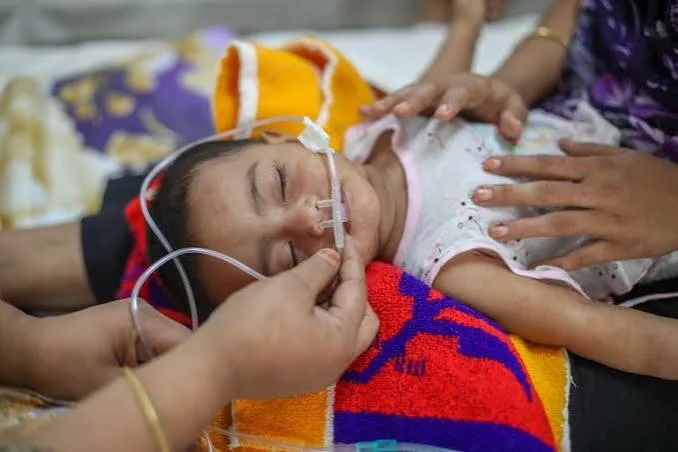
Bangladesh is dealing with the largest measles outbreak in the world this year by number of suspected cases. From mid-March to 9 October it recorded about 202,000 suspected cases, of which 22,000 were confirmed in laboratories. As of early November, officials reported 1,257 deaths since 16 March: 1,152 with measles-like symptoms and 105 confirmed as measles. Dhaka Division has the most deaths at 511, followed by Sylhet at 203 and Chattogram at 112. In a single 24-hour period the health directorate logged 1,492 new suspected cases and 1,385 hospital admissions.
The disease has reached all 64 districts. Children under five make up more than 80 percent of infections, and infants younger than nine months account for nearly a third.
The setback is stark because the country had come close to the 95 percent immunisation target. In 2024 first-dose coverage was 96 percent and second-dose coverage 93 percent. Estimates for 2025 fall to 90 and 86 percent, and international health agencies have questioned the reliability of data from 2023 to 2025. Measles cases had stayed between about 100 and 300 a year from 2021 to 2025.
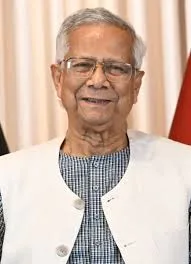
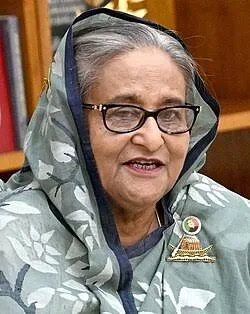
Several causes overlap. The 2024 protests that ended Sheikh Hasina's rule disrupted administration, health workers went on strike, vaccine orders were delayed and routine follow-up stalled. The interim government under Muhammad Yunus moved to competitive bidding for vaccines, and only 17.8 million doses were secured through the UN children's agency in 2025 against a yearly need of about 70 million. A planned 2024-2025 campaign was cancelled. Mahmudur Rahman, chair of the national committee verifying measles and rubella elimination, said miscounting eligible children let unprotected children pile up, noting that roughly 40 percent of children are unregistered. He also pointed to the loss of experienced immunisation managers, weak field monitoring and vacancies among health assistants.
Other factors made things worse. About 26 percent of under-fives are stunted, a dengue epidemic strained hospitals, and a cleric's false claim that the outbreak was a hoax reached millions of viewers.
The government that took office in February returned to direct procurement in June. A first emergency campaign began on 5 April in 30 sub-districts, spread to four major cities and went nationwide on 20 April, reaching nearly 20 million children against a target of about 18 million. A vitamin A drive in June found around 4 million children aged six months to five years who had still missed the vaccine, so a second campaign followed. Ziauddin Hyder, health adviser to Prime Minister Tarique Rahman, said extending the age limit to 10 years is under consideration.
Experts want more. Rahman says a public-health emergency should be declared, which the government has not done. Dr Taufique Joarder, a public-health adviser and associate professor, urges targeting based on hospital records and a separate career track for public-health specialists. Dr Shahid Jameel, a virologist, notes that measles spreads so easily that small coverage gaps are dangerous, and that one Indian manufacturer supplies about 80 percent of the world's measles-rubella vaccine doses.