Britain is forecast to pay some of the highest energy costs in Europe this winter while relying increasingly on imports as temperatures fall. Energy system operators forecast that the UK will have enough gas and electricity to meet demand, an outcome partly attributed to the UK paying higher market prices than neighbouring markets to secure imports. Supplies from abroad have been squeezed by the Iran war.
Gas network deal
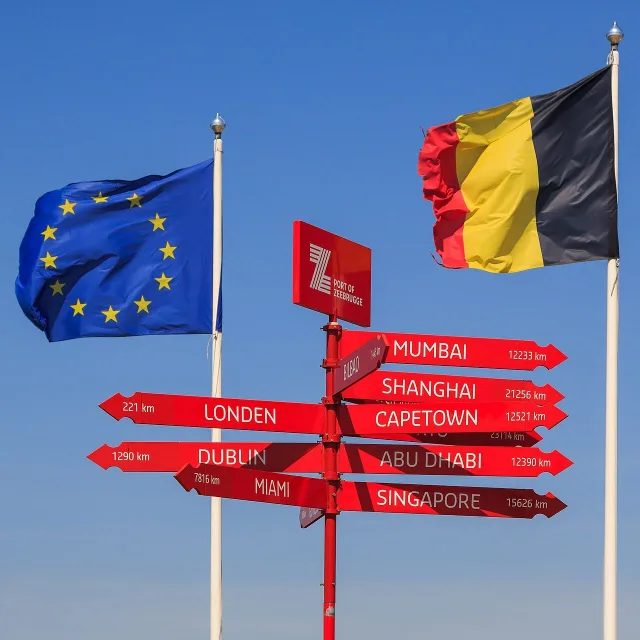
The company that runs Britain's gas network set out the forecasts after agreeing a deal with the owner of a major Belgian pipeline that reverses a planned capacity cut, to keep gas flowing in this winter. The regulator approved the intervention. A newspaper reported that it adds about 10p a month to the average gas bill. Without the deal there was a danger that, in a worst case where part of the network failed in a cold snap, gas could run short.
Seaborne liquefied natural gas imports are expected to rise by roughly 5 to 6 per cent from last winter (two different figures are given), while domestic gas production from the UK continental shelf is forecast to fall by around 5 per cent in line with a long-term decline. Britain has some of the smallest gas stores in Europe after decades of relying on North Sea output.
Jackdaw
Ministers announced approval of the Jackdaw gas field, 150 miles east of Aberdeen, on Wednesday after years of uncertainty and a court case. Prime Minister Andy Burnham pledged that the UK will still meet its net-zero target and said the decision will strengthen energy security. He wrote that oil and gas will be needed for years as a bridge to a clean-energy future. Some Labour backbenchers and environmentalists criticised the decision, and Conservatives called for the Rosebank oil field to be approved too.