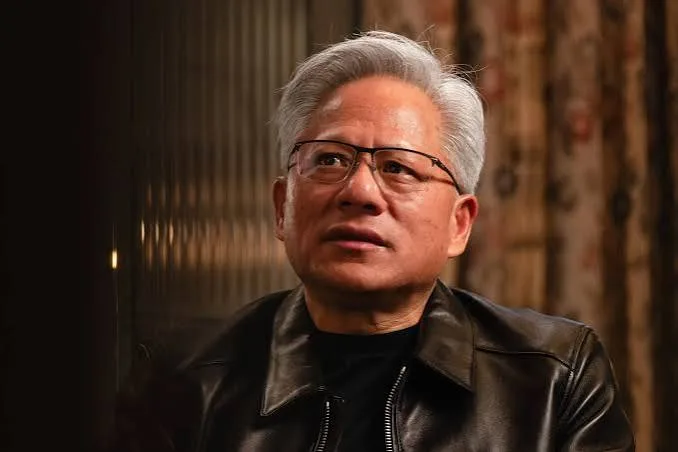
China has dismissed a US press account that says a senior Chinese executive close to Nvidia chief executive Jensen Huang was passing information to Beijing. Foreign Ministry spokesman Guo Jiakun said on Friday that the account was nothing more than an attempt to smear China. Beijing had earlier called the claims groundless speculation.
The account, published on Thursday, says US intelligence officials concluded some time ago that Alice Huang, also named as Huang Le, was relaying information to the Chinese government. She works at a Singapore-based data-centre company, Megaspeed, and was reportedly under surveillance over possible efforts to steer advanced AI chips to China. She is said to have built a close working relationship with Jensen Huang. The same account says Trump was briefed on the findings about a year ago and decided not to act. Nothing in the material available shows US officials confirming these findings publicly.
Nvidia's response
A Nvidia spokesperson said Huang's dealings with her were nothing out of the ordinary and that Megaspeed is treated like any other regional customer. The company said its regional cloud customers receive ordinary business information, not trade secrets or material touching national security. It also said allegations that Megaspeed smuggled chips into China were examined last year and found to be baseless.
Why it matters
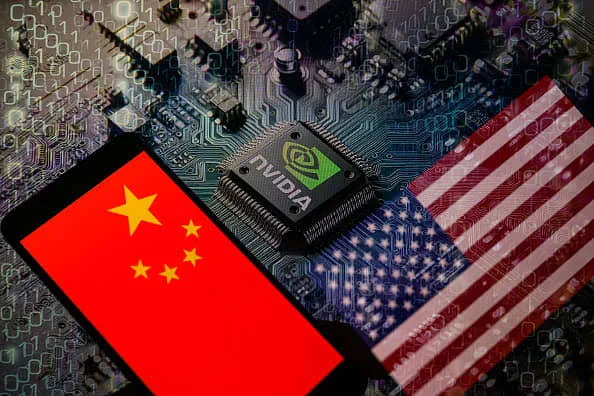
Washington restricts exports of the most powerful AI chips to China, and Nvidia sits at the centre of that policy. The claim lands at a sensitive moment: Trump met Chinese President Xi Jinping in September for talks that covered AI safety, and the two are expected to meet again in November, with technology high on the agenda.
What remains unclear is whether any US agency will say publicly that it reached the conclusion described, and whether the chip-export rules are tightened in response.