Tibetan Buddhism faces a critical challenge as disputes over the Dalai Lama’s reincarnation coincide with growing security concerns surrounding Tibetan representatives overseas. While senior Buddhist leaders in Dharamshala have reaffirmed their commitment to traditional succession procedures, attacks on the Office of Tibet in South Africa have highlighted vulnerabilities facing exiled institutions. These developments expose two pressing issues: China's attempts to regulate Tibetan religious leadership and the need to protect representatives working internationally. Together, they raise important questions about spiritual legitimacy, cultural preservation and freedom from political interference.
Dharamshala Meeting Strengthens Religious Unity
The 15th Tibetan Religious Leaders’ Meeting, held from 2–4 July 2025 in Dharamshala, brought together approximately 115 senior lamas, reincarnate teachers and monastery representatives from major Buddhist traditions. The gathering addressed religious heritage, institutional cooperation and the continuation of the Dalai Lama institution. During its concluding session, prominent participants endorsed his position that reincarnation must remain governed by established Buddhist customs rather than government directives. The Dalai Lama also encouraged monastic authorities to safeguard scriptural knowledge, religious education and traditional practices. Their collective support demonstrated a unified approach to preserving independent spiritual leadership amid mounting political pressure. A subsequent development came on 1 April 2026 in Bodhgaya, where the Asian Buddhists Conference for Peace held its 16th Executive Council Meeting which have also reaffirmed the same unity.
China’s Succession Claims Face Religious Opposition
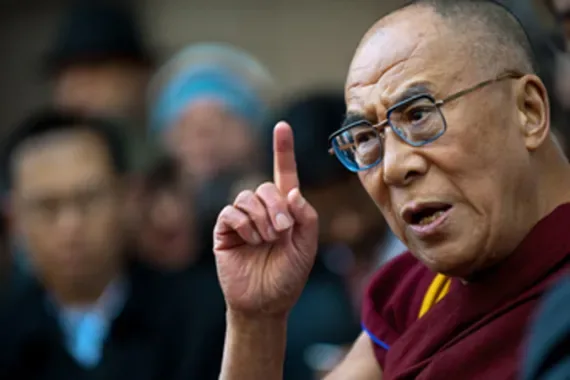
The question of who will recognise the 15th Dalai Lama remains a major source of disagreement between Beijing and Tibetan religious authorities. On 2 July 2025, the Dalai Lama confirmed that his institution would continue after his death. He designated the Gaden Phodrang Trust as the sole authority responsible for identifying his future reincarnation, following consultations with senior Buddhist leaders and established traditions. China, however, maintains that the selection of reincarnated Tibetan Buddhist figures must comply with its regulations and historical procedures. The controversy recalls the 1995 Panchen Lama dispute. After the Dalai Lama recognised Gedhun Choekyi Nyima as the 11th Panchen Lama, Chinese authorities rejected his selection and endorsed Gyaincain Norbu. Gedhun Choekyi Nyima's whereabouts and circumstances remain internationally disputed. This precedent has intensified fears that competing claimants could emerge, dividing followers and creating a prolonged struggle over religious legitimacy.
October 2026: Spiritual Traditions Continue in Dharamshala
Despite political uncertainties, the Dalai Lama continues to conduct religious ceremonies and support Buddhist education. On 2 October 2026, he presided over a novice monk and nun ordination ceremony at his Dharamshala residence. Participants were predominantly from Taiwan, reflecting the international connections of Tibetan Buddhist communities. Namgyal Monastery's abbot, Geshe Lobsang Samten, also attended the proceedings. The ceremony highlighted Dharamshala's continuing role in transmitting Buddhist teachings across generations and national boundaries.
Firebomb Attacks Target Tibetan Representative in South Africa
A serious security incident occurred on 14 October 2026 when petrol bombs struck the residence and office of Dhundup Gyalpo, the Dalai Lama's representative in South Africa, at Lyttelton Manor in Centurion. According to Daily Maverick, the attack occurred around 11:15 p.m., causing extensive property damage. Gyalpo escaped without injury. The incident followed a similar attack on the premises on 6 July 2026, suggesting repeated targeting of the same location. Although the perpetrators and motives remain unidentified, the violence has generated concern about threats facing Tibetan representatives internationally. No verified evidence currently establishes involvement by the Chinese government.
Tibetan Organisations Demand Accountability
The International Tibet Network condemned the October firebombing and called for a comprehensive police investigation and stronger protection for Gyalpo and his staff. The organisation also raised concerns about possible transnational repression, a practice involving intimidation, surveillance or coercion directed against communities living outside their homeland. However, determining whether these incidents constitute politically motivated repression requires credible evidence identifying those responsible and establishing their intentions. South African authorities therefore face an important responsibility to investigate the attacks, ensure public safety and hold perpetrators accountable.
International Implications for Religious Freedom
India remains central to Tibetan Buddhism's institutional continuity, having hosted the Dalai Lama since 1959. Dharamshala continues to house significant monasteries and the Central Tibetan Administration.
South Africa's response will meanwhile test its ability to safeguard foreign religious representatives against intimidation and violence. More broadly, the succession controversy could affect Buddhist communities across Nepal, Bhutan, Mongolia and other countries where Tibetan spiritual traditions remain influential. International governments may increasingly confront questions about protecting religious independence while managing diplomatic relations with China.
Religious Legitimacy Cannot Be Imposed
The developments in Dharamshala and South Africa underline the challenges confronting Tibetan Buddhism: preserving independent spiritual succession and protecting its institutions beyond national borders. Although Beijing claims regulatory authority over reincarnation, government recognition alone cannot establish religious legitimacy without acceptance from Buddhist institutions and followers. The attacks in Centurion require a transparent investigation, while the succession controversy demands respect for established spiritual traditions. Ultimately, the future of Tibetan Buddhism depends on safeguarding religious freedom, cultural identity and the right of its communities to determine their own spiritual leadership without coercion.