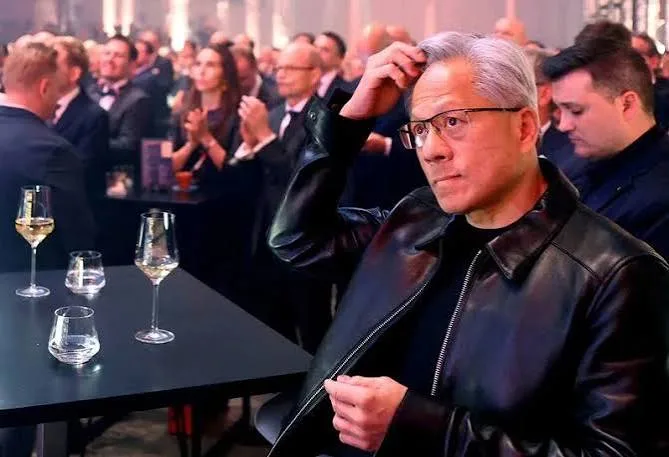
Jensen Huang's departure leaves a gap in how artificial intelligence startups are funded, venture investors and founders say. Under Huang, Nvidia invested tens of billions of dollars in startups each year and took part in 105 rounds this year alone, often as the largest investor, a data provider says. Most major investment decisions came from Huang personally, said Umesh Padval of Seligman Ventures. The biggest bets were on neoclouds, inference providers and open-weight models, which are costly for smaller companies to build.
The holdings include CoreWeave, backed while still private, Crusoe, Reflection AI, to which it wrote an $800 million cheque, Mistral AI, Lambda and Black Forest Labs. Nvidia also agreed to buy Hugging Face for about $13 billion, with closing expected in 2027. Infrastructure companies needing $100 million to $500 million in chips often raised about half of it from Nvidia at valuations of $1 billion or more, and its participation drew other investors in at those prices. It also tied many startups to its chips. With Nvidia on the cap table, Padval said, everyone felt safe.
Investors expect that to change. Interim chief executive Colette Kress is described by one investor as much more conservative and is not expected to match Huang's early-stage funding. Nvidia is expected to be more selective with new startups and to write smaller cheques into existing ones, which could lower valuations, and traditional venture firms may hesitate or pause some deals without it. Maria Davidson of Relational Capital warned of a big blow to many young companies, and Shamillah Bankiya of Dawn Capital said Nvidia is carrying almost every AI-native startup from application to neocloud and that a withdrawal of support in Europe would leave a gap nobody can fill.
Some see openings. Dharmesh Thakker of Battery Ventures expects Big Tech and other chipmakers to compete for Nvidia's role but doubts they would commit hundreds of millions to pre-revenue infrastructure startups. Investors broadly do not expect the AI boom to stall because of Nvidia's slowdown alone.