TEHRAN — Iran has received a response from the United States through Qatari mediators on a proposed seven-day plan intended to rebuild trust between Washington and Tehran, with the order in which measures would be implemented emerging as the main point of disagreement.
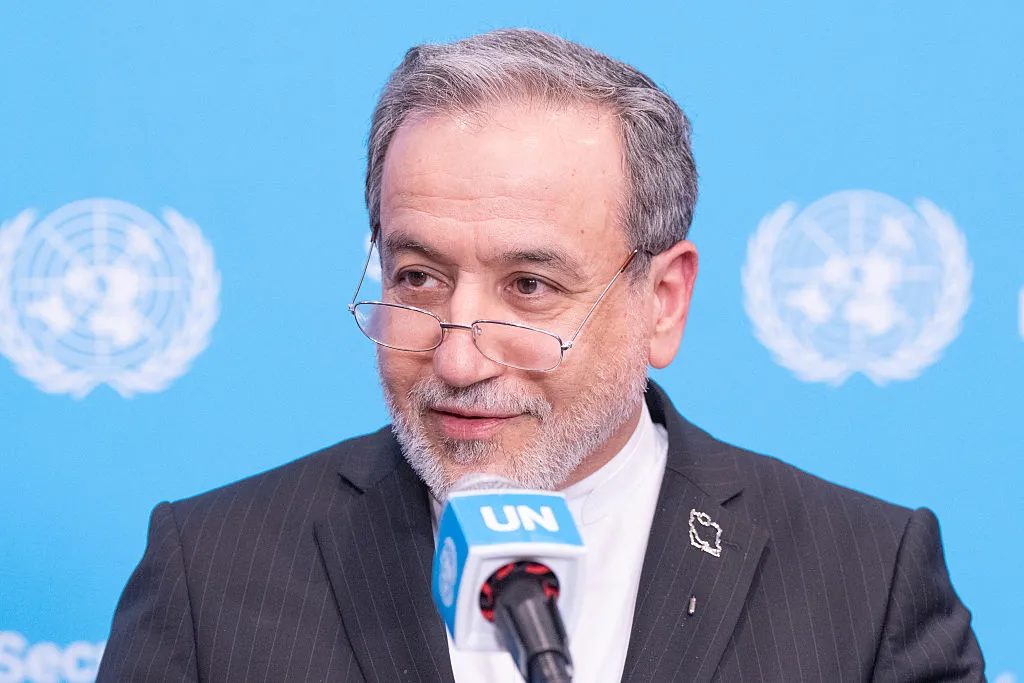
Iranian Foreign Minister Abbas Araqchi received the US feedback in Doha on Tuesday and is expected to discuss it in Tehran on Wednesday, according to an official briefed on the negotiations.
The proposal was put forward by Iran last week as part of efforts to ease tensions between the two countries and restore normal maritime traffic through the Strait of Hormuz. Araqchi had said the waterway could be reopened if the necessary conditions were met.
US President Donald Trump subsequently rejected the Iranian proposal, prompting Qatar to intensify its mediation between the two sides.
Qatari mediators conveyed Washington’s response after receiving it on Monday. They met Araqchi and his delegation in Doha as the Iranian team was returning from the United States, the official said.
The document under discussion sets out a seven-day period intended to establish confidence-building measures and return Washington and Tehran to an enhanced version of a memorandum of understanding reached in June.
The proposed framework includes concrete measures concerning Iran’s nuclear programme, although details of those measures have not been disclosed.
The central dispute is reportedly not over the measures themselves but over their sequencing — specifically, which side should take particular steps first and when corresponding commitments would be implemented.
The disagreement leaves the diplomatic process dependent on whether the two sides can agree on a sequence that provides sufficient assurances to both governments.
Qatar has continued to shuttle messages between Washington and Tehran as it seeks to bridge the remaining differences and facilitate an end to the conflict. The Gulf state has played a central mediating role in the latest diplomatic contacts.
The June memorandum provided an earlier framework for engagement between the United States and Iran and was followed by a brief ceasefire. It also addressed the Strait of Hormuz and Iran’s nuclear programme.
The latest seven-day proposal appears to build on that earlier understanding rather than establish an entirely new negotiating framework.
Araqchi’s return to Tehran with the US response will give Iranian officials an opportunity to assess Washington’s position and determine whether the proposed sequence of measures can be reconciled with Iran’s conditions.
For now, there is no indication that the two sides have reached agreement. The continuation of the Qatari mediation suggests that negotiations remain active despite the differences over implementation.
The Strait of Hormuz remains a central issue in the talks because its reopening and the restoration of normal maritime passage are among the conditions Iran has linked to the latest diplomatic initiative. The waterway is a critical route for international energy shipments, making any disruption a wider regional concern.