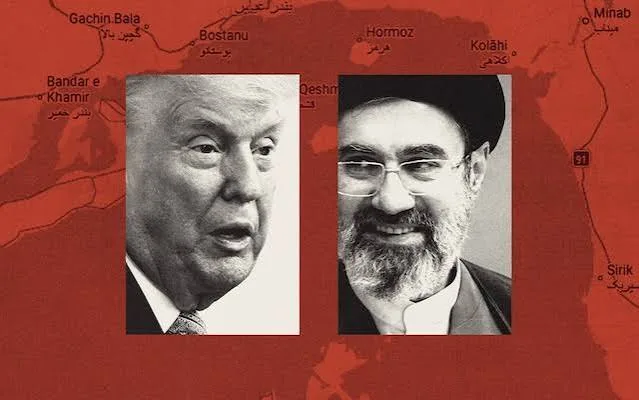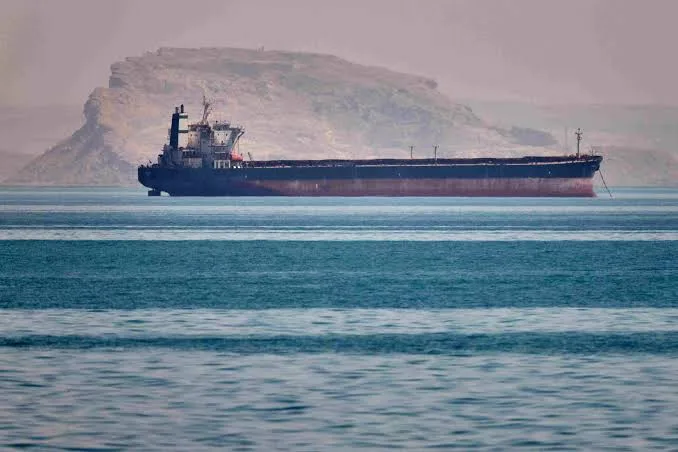
Iran's parliament speaker and chief negotiator, Mohammad Bagher Ghalibaf, said in an interview published on Wednesday that the Strait of Hormuz will never return to its pre-war status. He said Iran and Oman have reached an understanding to oversee the waterway, as part of Tehran's seven-point proposal for ending the eight-month war. He rejected the idea of free waters in the strait, arguing that the 1982 UN law of the sea convention does not apply there and that the two bordering states, Iran and Oman, set its rules.
Tehran sent the seven conditions to the United States through a Qatari mediator and is waiting for an official reply, he said, adding that the ball is now in the American court. They include lifting the US naval blockade and sanctions, releasing frozen Iranian funds, ending fighting on all fronts and an explicit announcement that the war is over. He said the terms are part of the Islamabad memorandum of understanding signed in June and have to be implemented before negotiations begin. Agreement is possible, he said, if Washington avoids excessive demands, but the main obstacle is a lack of trust.
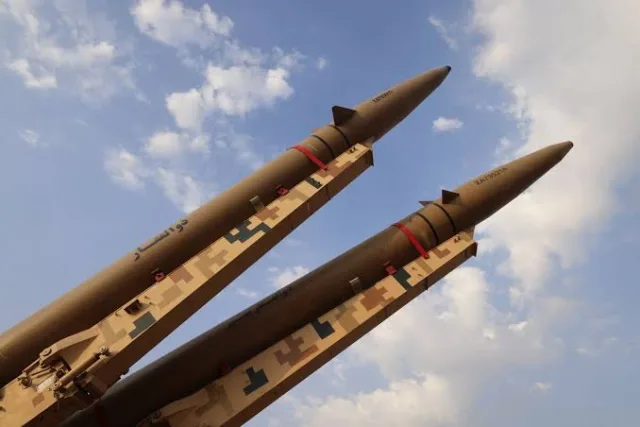
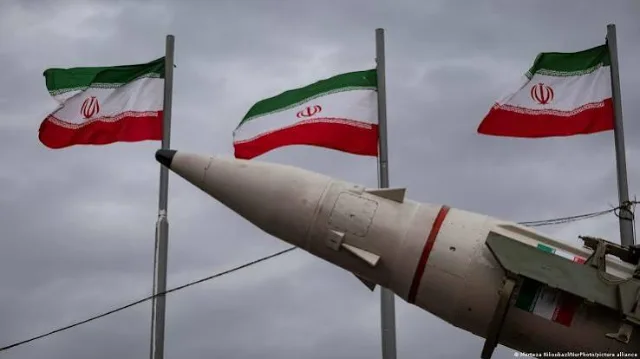
He said American officials asked Russian President Vladimir Putin to mediate direct talks with Tehran during a Moscow visit. He warned against new US attacks and said Trump would face political pressure from the new Congress that convenes in January. Iran wants to move beyond a state of no war and no peace, he said, and to build a sustainable deterrent that includes military capabilities.
On Yemen, he said nobody should interfere in the fighting between the internationally recognised government and the Houthis, and he offered Iranian help if the government and Saudi Arabia ask for it.
The interview gave no detail of tolls, transit rules or the arrangement with Oman, and no US response was available.