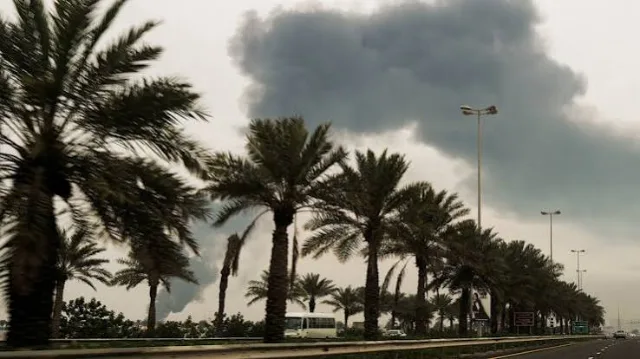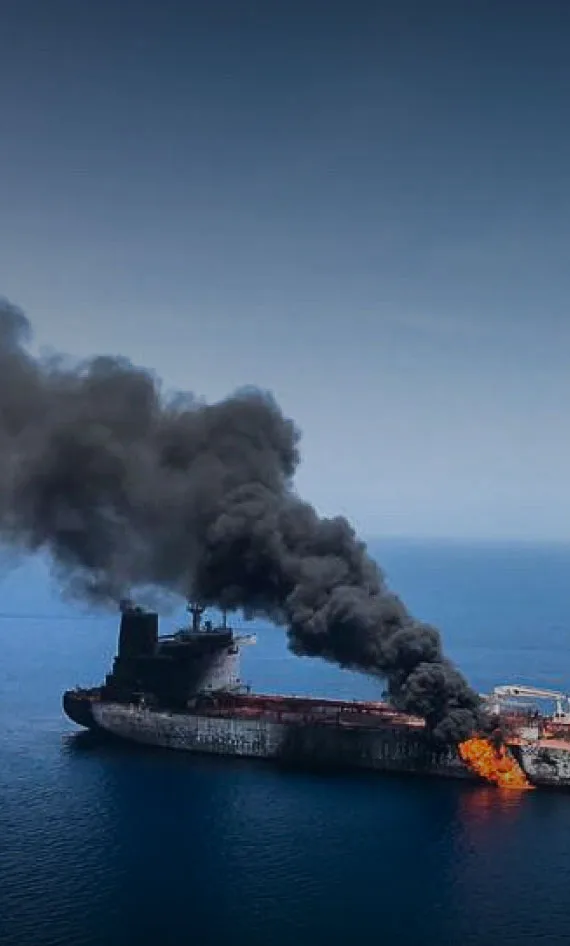
The naval arm of Iran's Revolutionary Guards said on Thursday 29 October that three oil tankers struck naval mines, exploded and caught fire while travelling through what it called an unauthorised southern route of the Strait of Hormuz. It said the ships had switched off their radar and navigation systems while trying to leave that route, and that they were later abandoned along the southern shore. No names, flags or owners were given, and there has been no independent confirmation. A British maritime agency did say separately that a ship was burning in the strait on Thursday, and the condition of its crew was unknown.
The same force said it had captured a US drone west of the strait, which it described as a spy and deception aircraft. The US military has not confirmed that either, and it has in the past rejected Iranian mine explanations for incidents, pointing instead to missiles and drones.
Whose lane is it
The dispute over routes lies behind the claim. Iran says vessels may cross the strait only by routes it administers close to its own coast in the north, in coordination with its authorities. Washington has encouraged shippers to use a southern lane, which Trump declared free of mines in August. Oil markets are still pricing in the risk: Brent crude was trading near $111.75 a barrel late on Wednesday, compared with about $72 before the war began in late February.
The diplomacy
Foreign Minister Abbas Araghchi said Iran is in close contact with mediators about how to carry out its seven-day plan to reopen the strait. He first set out the plan at the UN General Assembly in September. Under it the strait would reopen on day six and talks on Iran's nuclear programme would start on day seven. In return Washington would lift its naval blockade of Iranian ports, waive oil sanctions, release about $12 billion in frozen assets and observe a ceasefire covering the region, including Lebanon and Yemen. Trump rejected the plan in late September. A later account said Araghchi was studying the American response and that Iran would answer within days.
Trump has meanwhile denied that Washington is negotiating. He has said he did not direct Vice President JD Vance to restart talks, though he acknowledged approving outreach concerning Iran's need for medical supplies. Iranian officials say diplomacy remains possible and that indirect talks are continuing through mediators.
The gap is wide. Iran wants the blockade lifted before it moves, and the White House publicly denies there is anything to negotiate. The next signals to watch are Iran's reply on the American response and whether the strait's southern lane stays open to traffic after the blasts Iran describes.