The Republican Party’s defeat in the 2026 midterm elections has created a political problem that extends beyond Donald Trump’s weakened position in Washington. It has also complicated the ambitions of Vice President JD Vance, who entered the election cycle as one of the most prominent figures in the administration and a potential successor to Trump in 2028.
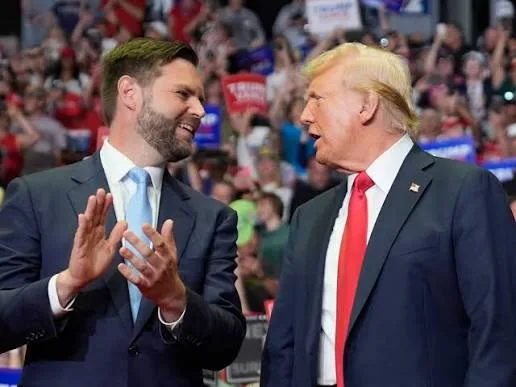
Vance did not merely stand alongside the President during the campaign. He actively defended the administration’s record, travelled to support Republican candidates and served as chairman of the Republican National Committee’s finance operation. His involvement was intended to strengthen the party’s electoral position. Instead, the scale of the Republican losses has raised questions about whether his close association with Trump has become a political liability.
The results were particularly damaging in Ohio, Vance’s home state. Democrats won the governorship and reclaimed the Senate seat Vance had vacated when he became Vice President. These outcomes carry significance beyond the immediate change in representation. They challenge the assumption that the political coalition which propelled Trump and Vance to power remains equally resilient at the state level.
For Vance, the difficulty is that he cannot easily separate his political identity from the administration's record. His rise has been closely connected to Trump's political movement. He has defended its priorities, represented its positions and become an important figure in communicating its agenda to voters. That association provided visibility and influence, but it also means that the administration's setbacks are likely to shape assessments of his own leadership.
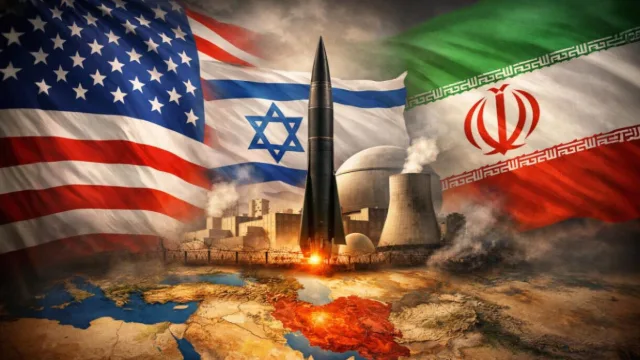
The midterm result has exposed the limits of that political arrangement. The election was fought amid public concerns over the cost of living, immigration enforcement and the consequences of the administration's foreign policy decisions. The war with Iran, in particular, became a major political issue as energy prices rose and the administration faced criticism over its commitment to avoiding prolonged foreign conflicts.
Vance's position was complicated by the contrast between his earlier political identity and the responsibilities he assumed in government. Before becoming Vice President, he had presented himself as a critic of foreign military entanglements and an advocate of a more restrained American role overseas. As part of the administration, he was required to defend policies that did not always sit comfortably with that message.
This tension could become important in the Republican Party's post-election debate. Vance's political appeal has rested partly on his ability to connect economic nationalism, opposition to established political institutions and scepticism about overseas military commitments. If voters increasingly associate the administration with higher living costs and foreign policy decisions that contradict its earlier promises, he will have to explain where his own position stands.
His challenge is not simply to distance himself from Trump. Such a move could alienate the political base that remains central to his support. At the same time, continuing to defend every major decision of the administration could make it difficult for him to establish an independent political identity before the next presidential election.
The contrast with Secretary of State Marco Rubio has become more relevant in this context. Rubio maintained a lower profile in the domestic midterm campaign, partly because of his responsibilities in foreign policy. He therefore carries a different political exposure from Vance, although his association with the administration's foreign policy decisions also presents challenges. Other Republican figures, including Florida Governor Ron DeSantis, may use the election result to argue for a change in the party's direction.
The emerging competition is not necessarily a direct contest between personalities. It is a debate over what the Republican Party should become after Trump's presidency. One approach would seek to preserve the coalition and political style that brought Trump to power, while presenting a younger generation of leadership. Another could argue that the party needs to broaden its appeal and reduce its dependence on Trump's political identity.
Vance occupies an uncertain position between these possibilities. He has the advantage of national recognition, access to the administration and an established relationship with Trump's core supporters. But the midterm losses have demonstrated that those advantages do not automatically translate into electoral strength.
There is also the question of whether Vance can build a record that voters recognise as distinctly his own. A successful presidential candidate generally needs more than proximity to a popular political leader. The candidate must demonstrate an ability to make independent decisions, explain policy choices and respond to political setbacks. Vance's vice-presidential tenure offers an opportunity to establish such a record, but it also exposes him to the consequences of decisions taken by the administration as a whole.
The first indications of a possible recalibration appeared during the final stages of the campaign. According to Reuters, Vance increasingly emphasised issues associated with his own political profile, including economic nationalism, foreign policy restraint and public safety, rather than relying entirely on the President's signature themes. That shift suggests an awareness among his advisers that his political future may require a broader identity than that of Trump's principal campaign defender.
However, developing an independent profile while remaining loyal to the President is a delicate exercise. Too much distance could be interpreted as disloyalty by Trump's supporters. Too little could leave Vance carrying the full burden of the administration's electoral performance. The balance will become increasingly difficult as the Republican Party begins looking towards 2028.
The Democratic victory in both chambers of Congress also changes the political environment in which Vance must operate. The administration will face greater congressional scrutiny, tighter constraints on legislation and increased resistance to its nominations and spending priorities. These conditions may limit the ability of the Vice President to demonstrate policy achievements that can distinguish him from the President.
At the same time, a divided government could provide Vance with an opportunity to present himself as a figure capable of defending the administration while engaging with a changed political landscape. Whether that approach succeeds will depend on the issues he chooses to prioritise and the extent to which he can establish credibility beyond the existing Republican coalition.
The 2026 midterms have not determined the Republican presidential nomination for 2028. The political landscape remains open, and the party's eventual direction will depend on developments over the next two years. But the election has changed the starting point for Vance. His association with Trump remains his greatest political asset and, increasingly, a potential constraint.
The central question facing the Vice President is whether he can inherit the political movement without inheriting every political liability attached to its current leadership. That will require more than a change in campaign language. It will require a clearer record of independent judgement and a credible explanation of how he would lead differently.
For now, Vance remains one of the most visible figures in the Republican Party. But the midterm results have made one thing clear: proximity to presidential power does not guarantee a political future. His next challenge will be to demonstrate that his ambitions can stand on their own, even as the movement that elevated him confronts the consequences of its electoral defeat.