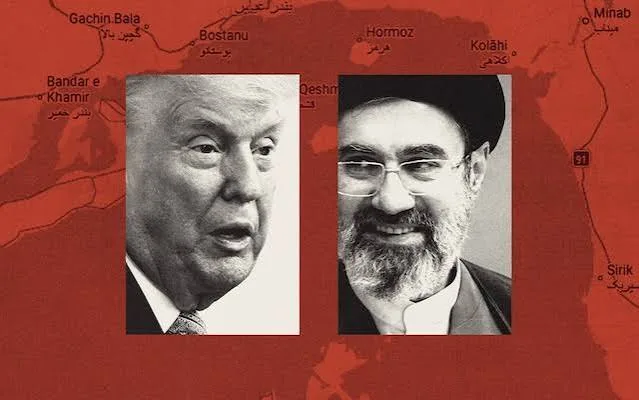
Iran's Supreme Leader, Mojtaba Khamenei, said hours after the US midterm elections that anyone expecting American policy toward Tehran to change is seriously mistaken. In a written statement on his website, he said that hoping partisan or factional shifts in Washington will soften US hostility, or that concessions will reduce it, is misguided.
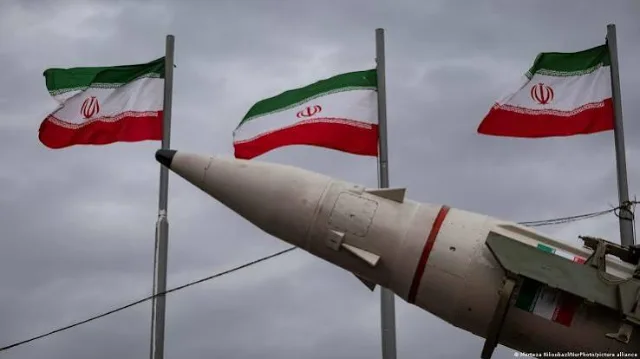
The statement marked the National Day of the Fight Against Global Arrogance, observed each 4 November to recall the 1979 seizure of the US embassy in Tehran. Khamenei said Iran's control of the Strait of Hormuz, through which about a fifth of the world's oil and gas passed before the war, had shattered the myth of American invincibility. He also credited the removal of US military bases in regional countries to what he called American aggression. A renewed attack, he warned, would bring a much broader response, and repeated violations would lead to far wider consequences. A correspondent in Tehran described his tone as cautious.
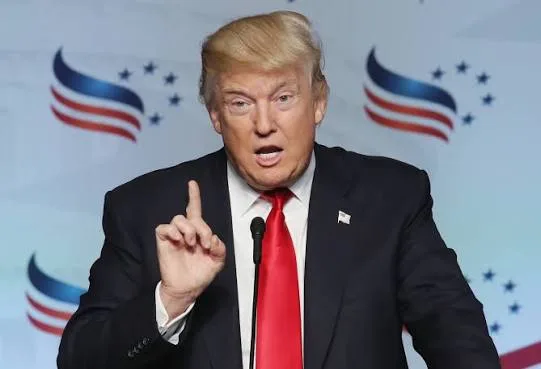
Other officials treated the Democratic win as a verdict on the war. Mohammad Bagher Ghalibaf, parliament speaker and chief negotiator with Washington, said Americans had rejected war and that Iran endorsed that message, warning that if the US government ignored its public, Iran's refusal would come with serious consequences. Mohammad Mokhber, an adviser to the supreme leader, said Trump had been slapped by his own people and that Iran had won by shifting the cost of the war onto the United States. Judiciary chief Gholam-Hossein Mohseni-Ejei said Trump had been beaten in both war and politics.
Mehdi Tabatabaei, deputy head for communications at the president's office, blamed the Republicans' defeat on Israel's war in Gaza, blind adherence to Israeli interests and what he called a futile war with Iran. Hamidreza Moghadamfar, an adviser to the Revolutionary Guard commander, told a rally in Bandar Abbas that Iran would hit targets beyond US bases if Gulf states allowed attacks from their territory. He named the United Arab Emirates and Bahrain and promised a new doctrine and new technology.
Analysts in Tehran say many Iranians expect a Democratic Congress to restrain Trump and make him less reckless, while some Republicans are wary ahead of the 2028 elections. There is also unease that Trump could treat Iran's framing of the result as a personal defeat and order a new round of strikes out of revenge. Washington has warned that it could mount a short but intensive military campaign after the midterms.
Trump has acknowledged that the war probably hurt his party, citing the price of petrol.