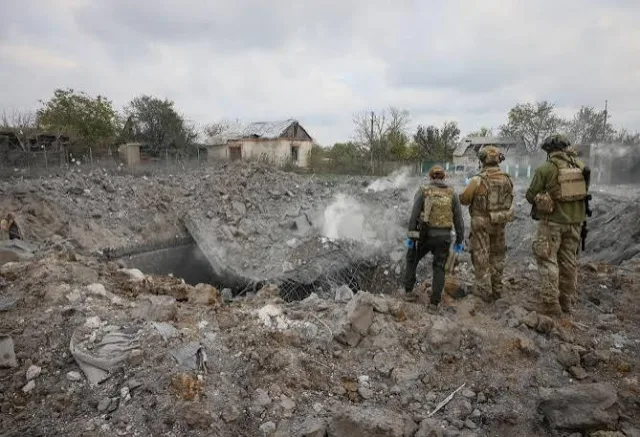
The Russian drone strike on a railway platform in Dnipro on Thursday 29 October killed at least 14 people on the latest tally, up from the 13 first given by regional governor Oleksandr Hanzha. He said at least five more were wounded, while national police put the injured at at least 10. A drone hit the platform while a commuter train and a passenger train were standing there. The head of Ukrainian Railways, Oleksandr Pertsovsky, said a heightened threat alert had been issued beforehand and that many people stayed on the platform. In September alone, more than 5,800 train services were disrupted by evacuations linked to drone threats.
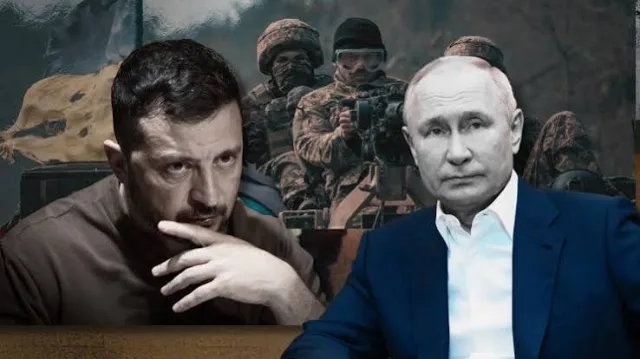
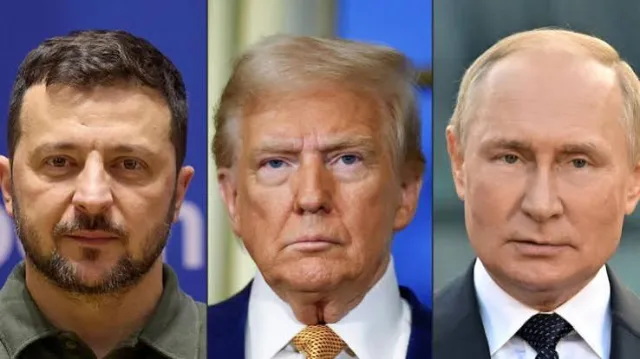
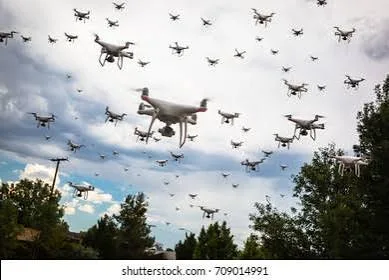
President Volodymyr Zelensky called the strike horrific and said fair and decisive action from America and Europe is needed against Russian escalation. He also criticised a recent US-Russia deal that eases some sanctions on Moscow, including permission for Russian diesel exports. Overnight, Moscow's mayor, Sergei Sobyanin, said 613 drones flew toward the Moscow region and 231 were destroyed near the city, at a time when a Russia-Africa summit was under way in the capital. A separate Russian strike on Chernihiv killed two teenage girls overnight. Zelensky said Ukraine, the United States and Russia are due to hold three-way talks in November to try to revive stalled peace negotiations.
Missiles that may not arrive
Ukraine's air defence supply is a growing worry. Zelensky says Kyiv is still waiting for US Defense Secretary Pete Hegseth to approve additional Patriot interceptors, and NATO sources call the situation unpredictable. Russia launched more than 100 ballistic missiles at Kyiv and the surrounding region over the past two weeks, he said, while Ukrainian estimates put US output of Patriot interceptors at 60 to 65 a month, fewer than Russia fires in that time. US production also serves allies in the Middle East and the Gulf.
Some analysts think Trump may be holding back interceptors to show action on energy prices before the midterms on 3 November, when his approval ratings are at record lows. Trump has pressed Kyiv to stop strikes on Russian diesel refineries and has recently waived punitive sanctions on Russian oil. A NATO source said he is using as much leverage as he has over Ukraine and wants a peace deal involving territorial concessions. NATO Secretary General Mark Rutte has urged allies to send their own Patriot systems. Germany holds a licence to produce a cheaper interceptor variant, but deliveries are due in December or January at the earliest, and a plan to let Ukraine produce Patriot missiles under licence has not advanced since it was announced in July.
Whether the Pentagon approves more interceptors, and whether the November talks go ahead, will determine how exposed Ukrainian cities remain this winter.