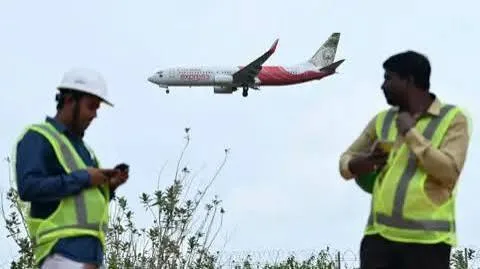
Multiple bomb threats have forced at least 12 passenger aircraft to divert or make precautionary landings across Europe, triggering security checks at airports in several countries. This is the second time in a week that such incidents have occurred, causing widespread disruption to air travel.
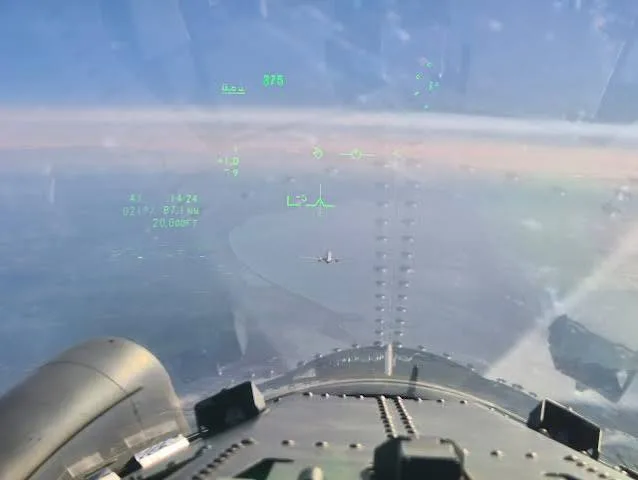
On Thursday, an Aer Lingus flight, EI402, travelling from Dublin to Rome, was diverted to Evreux airport in France, about 100 km west of Paris, as a security precaution. The Irish airline confirmed that the flight landed safely and that all necessary security measures were taken. Similarly, a Finnair flight from Helsinki to Rome was escorted by Italian Air Force fighter jets before landing safely at Rome Fiumicino Airport. Italian police carried out security checks on the aircraft but found no explosives.
In Belgium, a flight operated by Polish airline LOT landed at Brussels' Zaventem airport following a security alert. The airline later stated that no dangerous or suspicious items were found on board. Bulgaria also reported three aircraft making emergency landings following bomb threats. Two flights, originating from Copenhagen and Madrid, landed in Sofia, while a third aircraft travelling from London landed in Plovdiv.
The Czech Republic reported that four aircraft heading to Prague had received threats involving the possible presence of improvised explosive devices. Although authorities assessed the threats as low risk, all necessary security measures were activated, and inspections were carried out after landing. Nearly 200 passengers were evacuated from a Wizz Air flight travelling from Milan to Bucharest after it received a bomb threat. The aircraft landed safely at Henri Coanda International Airport, where Romanian authorities initiated security procedures and deployed an explosives disposal team to inspect it.
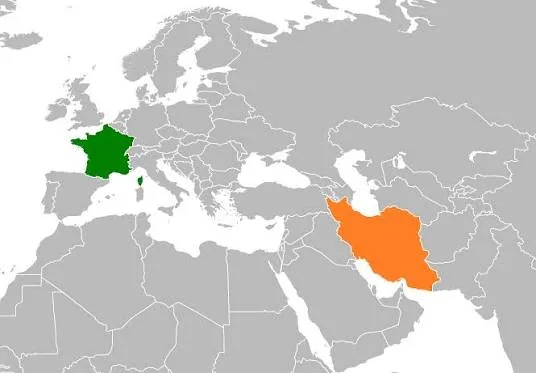
These incidents come two days after at least seven flights and a cruise ship received bomb threats, disrupting operations at airports across Europe. No explosive devices were found following Tuesday's alerts. The cause of the threats is still unknown, but they have raised concerns among European officials over what they describe as hybrid attacks and sabotage operations linked to Russia and Iran.
Some experts suggest that hoax bomb threats could form part of a broader pattern of low-cost, difficult-to-trace disruption operations. This theory is supported by recent incidents of unidentified hackers disrupting refrigeration systems at supermarkets in several European countries and French blood banks, causing temperatures in fridges and freezers to rise.
The European aviation industry is on high alert, with airports and airlines taking extra precautions to ensure the safety of passengers. The incidents have also raised questions about the effectiveness of current security measures and the need for increased cooperation between countries to prevent such disruptions.
As the investigation into the bomb threats continues, passengers are advised to expect delays and disruptions to their travel plans. The European Union has urged calm and assured that all necessary measures are being taken to ensure the safety of air travel.
In the meantime, the cause of the threats remains a mystery, and the impact on air travel and the economy is still being assessed. One thing is certain, however: the security of air travel is a top priority, and all necessary measures will be taken to prevent such incidents in the future.
The recent incidents have also highlighted the need for increased vigilance and cooperation between countries to prevent such disruptions. As the world becomes increasingly interconnected, the threat of hybrid attacks and sabotage operations is becoming more real. It is essential that countries work together to share intelligence and best practices to prevent such incidents.
In conclusion, the mid-air chaos caused by multiple bomb threats in Europe has raised concerns about the safety of air travel and the effectiveness of current security measures. As the investigation continues, passengers are advised to expect delays and disruptions to their travel plans. The European Union has urged calm and assured that all necessary measures are being taken to ensure the safety of air travel.