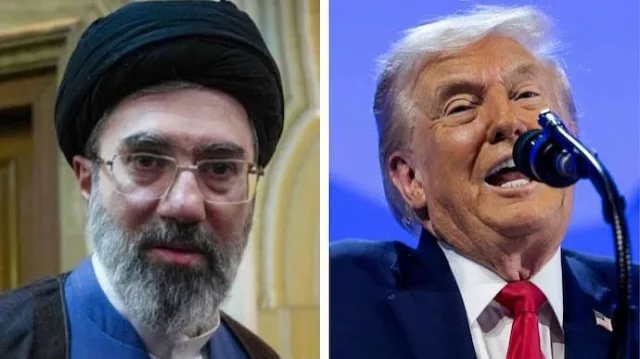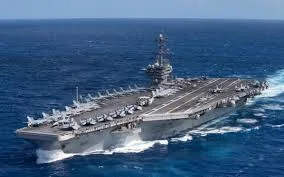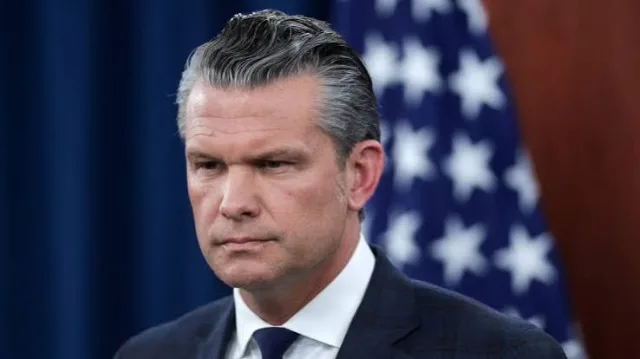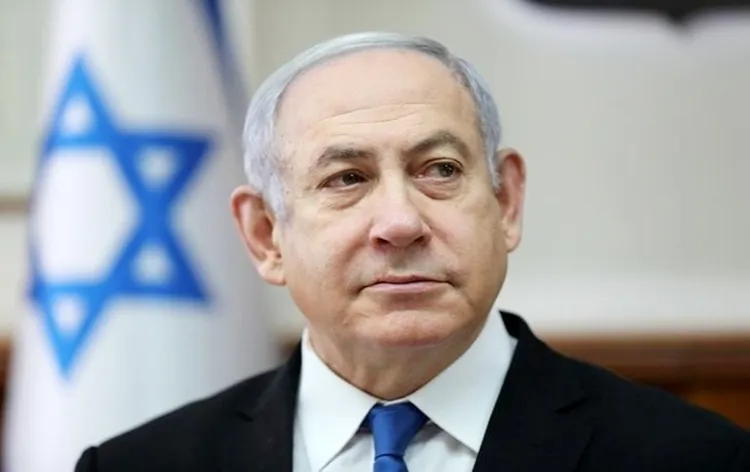
Prime Minister Benjamin Netanyahu says overthrowing Iran's government remains Israel's primary objective, even as support for him falls ahead of national elections next week. His remarks followed talks with President Donald Trump on Sunday and a visit by the US defence secretary, Pete Hegseth. Netanyahu gave no sign that Washington has agreed to a new offensive or a campaign for regime change. A press report said an Israeli proposal for renewed strikes failed to win Trump's approval, which points to disagreement over immediate action rather than a US rejection of future attacks.
The US joined the June 2025 war and a campaign launched on 28 February 2026, and neither brought down the government. In March Netanyahu said it cannot be done from the air alone and that a ground component would be needed, without explaining what that would involve.
What analysts say
Urban Coningham, a research fellow at a London defence think tank, said Israel has the stockpiles and aerial refuelling to strike Iran and could regain air superiority, and that serious damage is possible but regime change is doubtful. He said covert intelligence assets are use-and-burn resources, that Kurdish and Baloch groups cannot challenge the Revolutionary Guards, and that without the US, Israel lacks bunker-busting capability and has drawn down its interceptors. If Israel attacked alone, he suggested, Iran might aim its retaliation at Israel and avoid US targets and Hormuz. That scenario is speculative.
Caglar Kurc, an assistant professor at a university in Kayseri, Turkey, said airpower can degrade Iran's military but not eliminate hidden systems, and that changing a regime would take troops staying for years, which the US is unlikely to attempt. His colleague at the London think tank, Sidharth Kaushal, said Iran probably retains large stocks of missiles, especially easy-to-produce anti-ship ones, and has southern mountains that shelter forces from air attack, although damage to its targeting systems may limit its effectiveness. Washington's appetite for renewed fighting is uncertain, and Trump faces pressure to avoid escalation before the midterms.