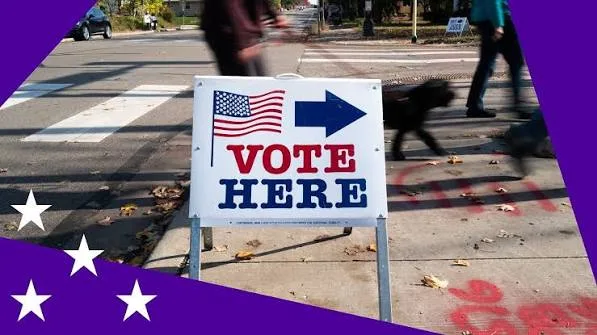
Americans vote on Tuesday, 3 November, in midterm elections that will decide control of Congress for the next two years. All 435 House seats, 35 of the 100 Senate seats and governorships in 36 states are up. Democrats need to gain three House seats and four Senate seats to take the chambers. A 50-50 Senate split would leave Republicans in control, because Vice President JD Vance can cast the tie-breaking vote. Seven toss-up races are expected to decide whether Republicans keep their Senate majority.
Early voting
About 54.5 million people had voted early as of Sunday morning, out of roughly 210 million registered voters, a university analysis found. That compares with 46 million early voters in 2022. More than 11 million Democrats have voted early against about 8 million Republicans, though the figures show who voted and not how they voted. Early voting is up sharply in Texas, South Carolina, Kansas, Michigan and Maine.
The issues
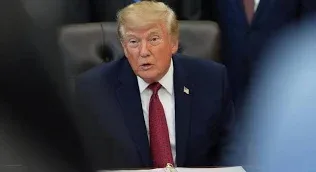
The cost of living, made worse by the US-Israel war on Iran, is a central issue. Presidents' parties have gained House seats in only two of the last 20 midterms, and polls suggest 2026 will not be a third. President Donald Trump is due to make his closing pitch at the Lincoln Memorial Reflecting Pool in Washington, DC, after a series of final rallies. Senator Chris Murphy of Connecticut, a prominent critic of the war, is recovering from a stroke but is not up for re-election.
Legal fights
A federal judge dismissed a lawsuit from the Trump administration that sought to stop Alaska from certifying Republican Senator Dan Sullivan's loss. Sullivan has said he will accept the results. The coverage reviewed did not explain which contest the case concerned.
Results are expected through Tuesday night, but close races in several states could take days to settle.