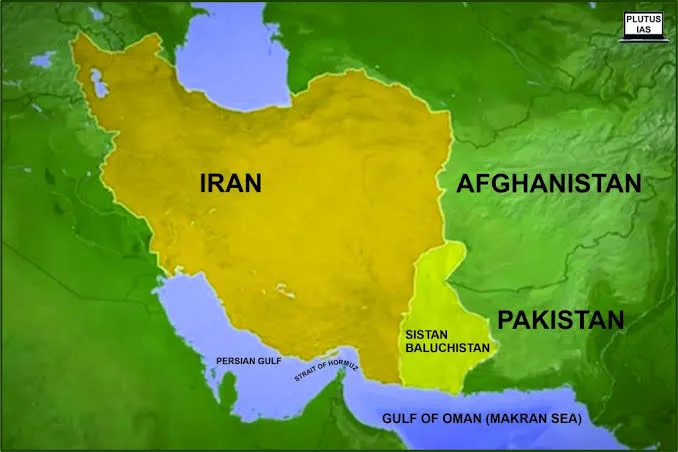
Pakistan's trade with Iran by road has been disrupted for more than a week, and the explanations offered by the two governments do not match. Islamabad suspended cargo at the Gabd-Rimdan and Taftan crossings in Balochistan on 17 October, citing security risks. Bakhtiar Ismail, the deputy commissioner of Chagai, said on 18 October that the closure was temporary and meant to improve border management and support counterterrorism.
A Commerce Ministry memorandum dated 16 October took back an earlier order, issued on 3 October, that had extended a waiver of the E-Form, the document that records imports and their bank payments, for goods from Iran. It took effect at once.
Two accounts
Iran's ambassador, Reza Amiri Moghadam, said Iran had placed no export limits, LPG included, that its borders were open and that the paperwork changes were holding up cargo. Foreign Ministry spokesman Esmaeil Baghaei pointed to technical issues. Pakistan's foreign ministry spokesman, Sajjad Haider Khan, said Islamabad adheres to the sanctions regimes that apply to it. He said he had no direct knowledge of conditions on the ground and did not say whether Washington had pressed Pakistan. A security analyst, Imtiaz Baloch, said security, procedures or technical problems and the banking system could all play a part, and that no concrete statement ties the closure to US economic policy.
Violence on the route
Gunmen attacked trucks waiting near the Gabd crossing in the days after the suspension. The military said 10 attackers were killed in operations around Gabd and the port city of Gwadar, and one civilian died. A security research group counts 131 of the 225 armed attacks recorded across Pakistan in September as having taken place in Balochistan, the highest monthly national total in 12 years.
Partial restart
Mir Naveed Jan Kalmati, who heads the Gwadar Chamber of Commerce and Industry, said trade began to resume over the weekend of 24 and 25 October and that some goods moved again on Monday. Consignments dated 16 October or earlier are being cleared. Rice and bananas are crossing from Pakistan, and trucks loaded in Iran before the closure, including LPG, are entering slowly. Moghadam said several hundred LPG trucks had crossed into Gabd but were not yet unloaded or cleared, and a truck owners' association leader said the unloading problem was unresolved.
The halt has caused LPG shortages and price rises in a country that imports most of its energy from the Middle East. Pakistan's economy was already strained by shipping disruption in the Strait of Hormuz. Pakistan has also acted as a mediator between Washington and Tehran since the US-Israeli war on Iran began on 28 February.
Whether the crossings return to normal volumes depends on the paperwork dispute being settled and on security along the route.