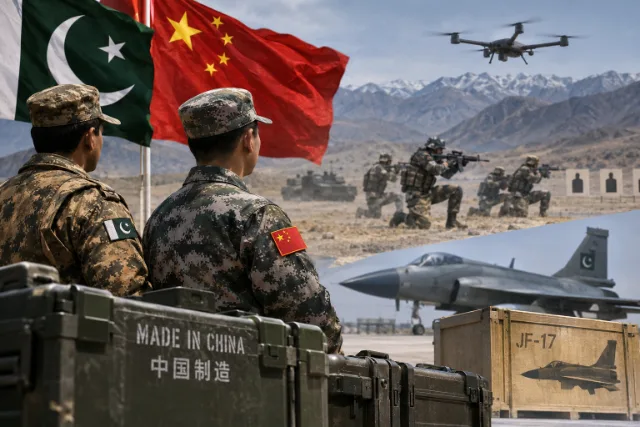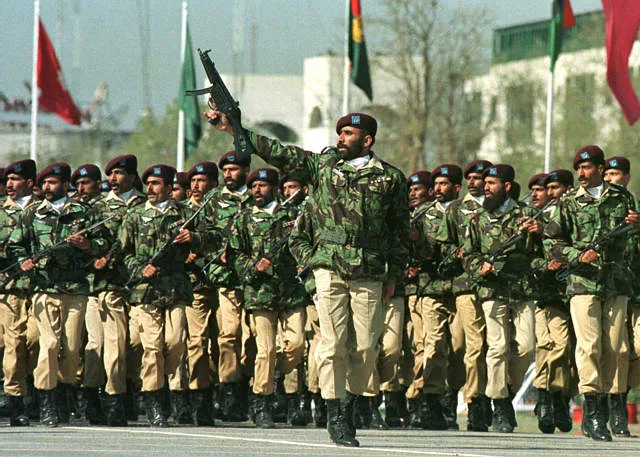
ISLAMABAD - Rejoice, fellow patriots! The great day has finally arrived. According to the latest feverish WhatsApp forwards and breathless late-night talk shows, the historic “Mecca Pact” has officially shifted from conference-hall handshakes to actual desert sand. Pakistan and Turkey, we are told, are packing their kit bags and deploying troops to Saudi Arabia to sort out the Houthis once and for all.
To the untrained eye, this looks like a grave escalation. To anyone who understands Pakistan’s sovereign balance sheet, it looks like our premier export commodity finally finding an eager buyer. Forget textiles, IT services or basmati rice - our true comparative economic advantage has always been disciplined infantry with a very modest survival entitlement.
Naturally, the cynics in the international press are asking all the wrong questions: “What about your 900-kilometer border with Iran?” “What about the daily ambushes across Balochistan and Khyber Pakhtunkhwa?” “Who on earth is actually being sent to get shot at?”
Allow a true patriot to explain the sheer logistical elegance of Rawalpindi’s business model
EDITOR’S NOTE
The following dispatch comes from an Islamabad journalist and proud Pakistani patriot who watches the evening headlines with a hand over his heart and the other firmly over his wallet. As breathless rumours swirl that Turkey and Pakistan are finally shipping boots to Saudi Arabia to fulfill the legendary ‘Mecca Pact’ against the Houthis, our correspondent examines the logistical arithmetic of a country trying to sell military muscle abroad while running on empty at home.
First, let us address the treasury. People ask if Pakistan will get paid or if our troops will just get killed. The answer, of course, is a resounding both. Saudi Arabia does not hand out deferred oil facilities and central bank roll-overs for charity; they expect a certain return on investment. If a few incoming Houthi loitering drones turn a desert bunker into scrap metal, our finance minister will simply dry his tears with fresh dollar reserves. In Islamabad, inflation is temporary, but a Saudi deposit is eternal.
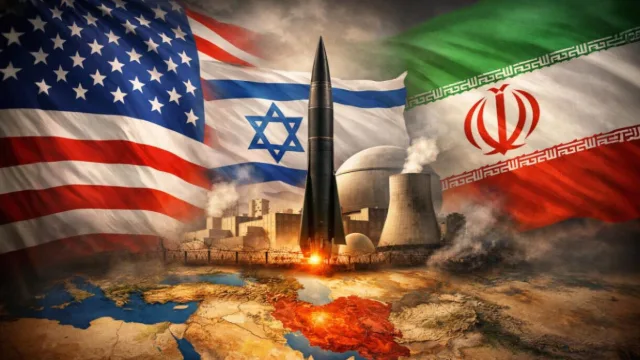
Then comes the sensitive matter of our brotherly neighbour, the Islamic Republic of Iran. Tehran is watching this entire spectacle with one eyebrow raised, reminding everyone who supplies the hardware whistling over the Red Sea. If Pakistani boots touch down to fight Iranian-backed Houthis, our western frontier from Taftan to Gwadar risks turning into an open shooting gallery before sunset.
How will our diplomats manage Tehran’s outrage? Very smoothly: “Brotherly Iranian neighbours, do not misunderstand us. Our brave soldiers in Najran are not fighting your friends; they are merely providing high-end private security for the kingdom’s real estate assets, entirely within an IMF-compliant structural adjustment framework.”
The biggest puzzle, critics claim, is manning the trenches. With our own outposts in Waziristan under siege, Baloch separatists blowing up rail tracks, and half the paramilitary busy guarding cricket matches and political protest containers in Lahore, where will we find combat troops to spare?
This brings us to the sacred sociology of our order of battle: who actually goes to die?
Will the sons of the affluent Punjabi heartland - the ones who hold the commanding posts and retire to sprawling housing societies be leading the charge into a Yemeni drone swarm? Perish the thought. A general’s nephew does not spend four years at the military academy just to intercept an explosive quadcopter in the Asir mountains. Those plum assignments are reserved for air-conditioned staff headquarters in Riyadh, liaising over tea and collecting lucrative Gulf allowances in hard currency.
The men holding the perimeter fences against ballistic shrapnel, as always, will come from the dusty margins: farm boys from rural Sindh, Pashtun recruits whose villages don’t have electricity, or perhaps those recently recruited Afghan gig-workers we’ve hired at 40,000 rupees a month. If you survive, the remittances might build a two-room brick house back home. If you don't, the Army Media wing will produce a 4K martyr tribute set to heavy auto-tune, complete with slow-motion drone shots of the desert sunset.
It is the ultimate triumph of modern statecraft. Riyadh gets foreign boots to absorb the blast radius, Turkey brings the drones, Tehran gets an angry press release and Pakistan gets enough hard currency to keep the lights on for another fiscal quarter. As a proud patriot, my chest swells: we may not be able to secure the highway to Quetta, but if the price is right, we will gladly defend the dunes of Arabia.