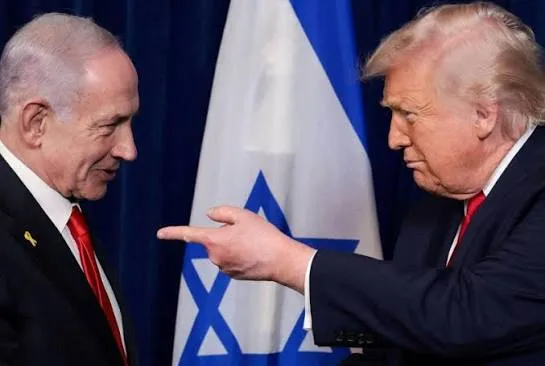
Prime Minister Benjamin Netanyahu pushed for a joint US-Israeli strike on Iran before Tuesday's Israeli election, and the Trump administration asked that any action wait until Washington was ready, according to two US officials and an Israeli security source quoted on Monday 26 October. The claims rest on anonymous sourcing and have not been independently verified.
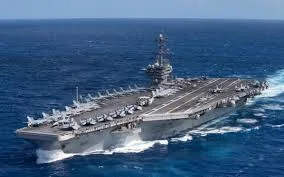
The Israeli source said Netanyahu really wanted a joint attack before the vote and tried to persuade Trump, who did not give a green light. The US military has prepared significant strike options that could be carried out within days; sources said forces could launch a major operation within 96 hours of receiving the order. A second source said Israel had lobbied the US over the past week to support or join Israeli strikes, and that Trump and other officials asked Israel to wait and indicated joint operations would come soon.
Israel reportedly agreed to wait partly over concerns about missile defence and the need for US help if Iran and the Houthis fire missiles at Israel. The Israeli source also said that one reason Trump held off was a warning from the army chief of staff, Lt. Gen. Eyal Zamir, that an attack could postpone the Knesset election.
Netanyahu's office denied the account, calling it fake news without elaborating. Israeli television reported on Sunday night that Netanyahu and Zamir had clashed in recent days over an instruction for unspecified military action that defence officials feared could lead to a swift confrontation with Iran; Netanyahu denied that too. Defence Minister Israel Katz called reports of disagreement between the political leadership and the army completely baseless and false, said Israel had no intention of attacking Iran before the election and promised a response with great force if Iran attacked. The army said any other discourse was misleading and irrelevant.
Avigdor Liberman, who leads Yisrael Beytenu, wrote to Attorney General Gali Baharav-Miara asking her to open a criminal investigation into Netanyahu for alleged treason, accusing him of pressuring security chiefs over Iran.
The diplomacy is moving in parallel. Qatari mediators travelled to Tehran on Sunday, coordinating with Washington, and delegations from Saudi Arabia, Pakistan and Turkey arrived on Monday to try to avert renewed fighting. Iran's Foreign Ministry spokesman, Esmail Baghaei, said Israel is highly skilled at false-flag operations when asked whether Iran was planning attacks.
Trump has said he would not strike Iran again before the US midterm elections on 3 November, then said further strikes were possible. The reported plans leave open a joint operation in the days after that vote.