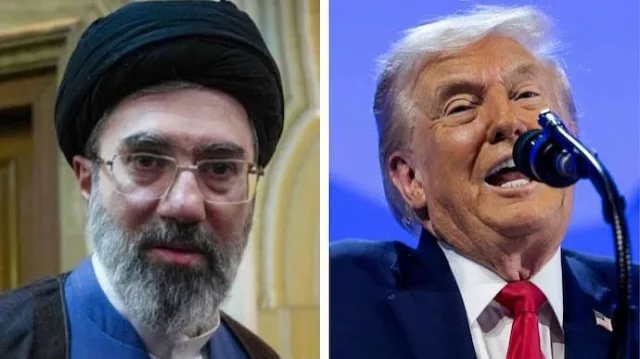
Michigan Democrat Haley Stevens has endorsed Republican Mike Rogers, who is backed by President Donald Trump, over her party's Senate nominee, Abdul El-Sayed, two days before the midterm elections. Rogers and El-Sayed are competing for the seat of retiring Democratic Senator Gary Peters, a race that could help decide which party controls the Senate. El-Sayed, a former public health official, would become the first Muslim elected to the US Senate. Early voting began on 24 October. Polling suggests El-Sayed has largely consolidated Democratic support.
The dispute
The break centres on Israel. Stevens strongly supports it, while El-Sayed criticises Israel's war in Gaza and US military aid to it. A pro-Israel super PAC spent tens of millions backing Stevens in the August primary, which she lost narrowly. The latest flare-up came over an ad by an independent group supporting El-Sayed that linked military aid to Israel with grocery costs. Stevens called it antisemitic and demanded that El-Sayed condemn it. He said his campaign did not make the ad and disagreed with its message. Stevens said El-Sayed had made some antisemitic statements. El-Sayed's campaign did not accept that description in the account reviewed.
Stevens was dropped from a joint Democratic church event after Representative Debbie Dingell asked her to stay away because it had become too distracting. Stevens says she remains a Democrat and will vote Democratic in about 90 percent of her races. Her chief of staff of eight years, Justin German, resigned along with several other aides.
Reactions
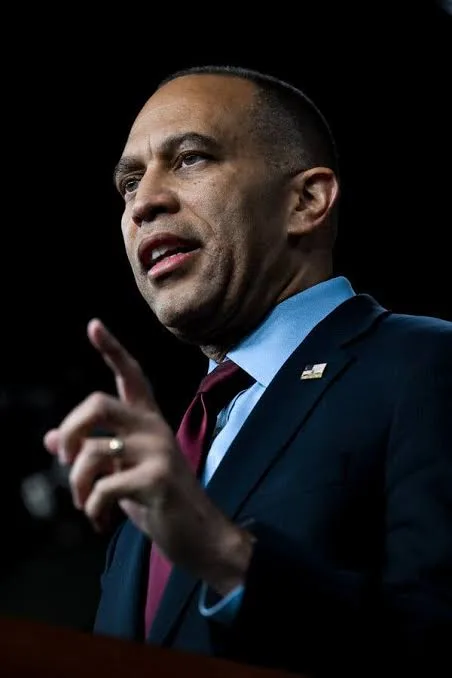
Schumer, who had recruited Stevens, called the endorsement a despicable betrayal and said Senate Democrats stand behind El-Sayed. Democratic National Committee chair Ken Martin said it betrays the party's values. Trump called the move big and said at an Iowa rally that he would love Stevens to join the Republican Party. House Speaker Mike Johnson also praised her. Activist groups urged Democratic House leader Hakeem Jeffries to expel her from the caucus, though formal expulsion or censure is considered unlikely. Republicans hold a narrow 218-214 House majority, and Stevens leaves Congress in January.
Governors on the ballot
Thirty-six states elect a governor on Tuesday, and 19 of the races have no incumbent running because the officeholder is term-limited or retiring, among them California's Gavin Newsom and Iowa's Kim Reynolds. Ohio, where Republican Vivek Ramaswamy is running, is described as one of the most competitive races. Governors control budgets and appointments, abortion rules in many states and, in some states, the appointment of election officials. Newsom is widely seen as a leading Democratic candidate for 2028.
The Iran war has also become a campaign issue, and voters go to the polls on Tuesday, 3 November.