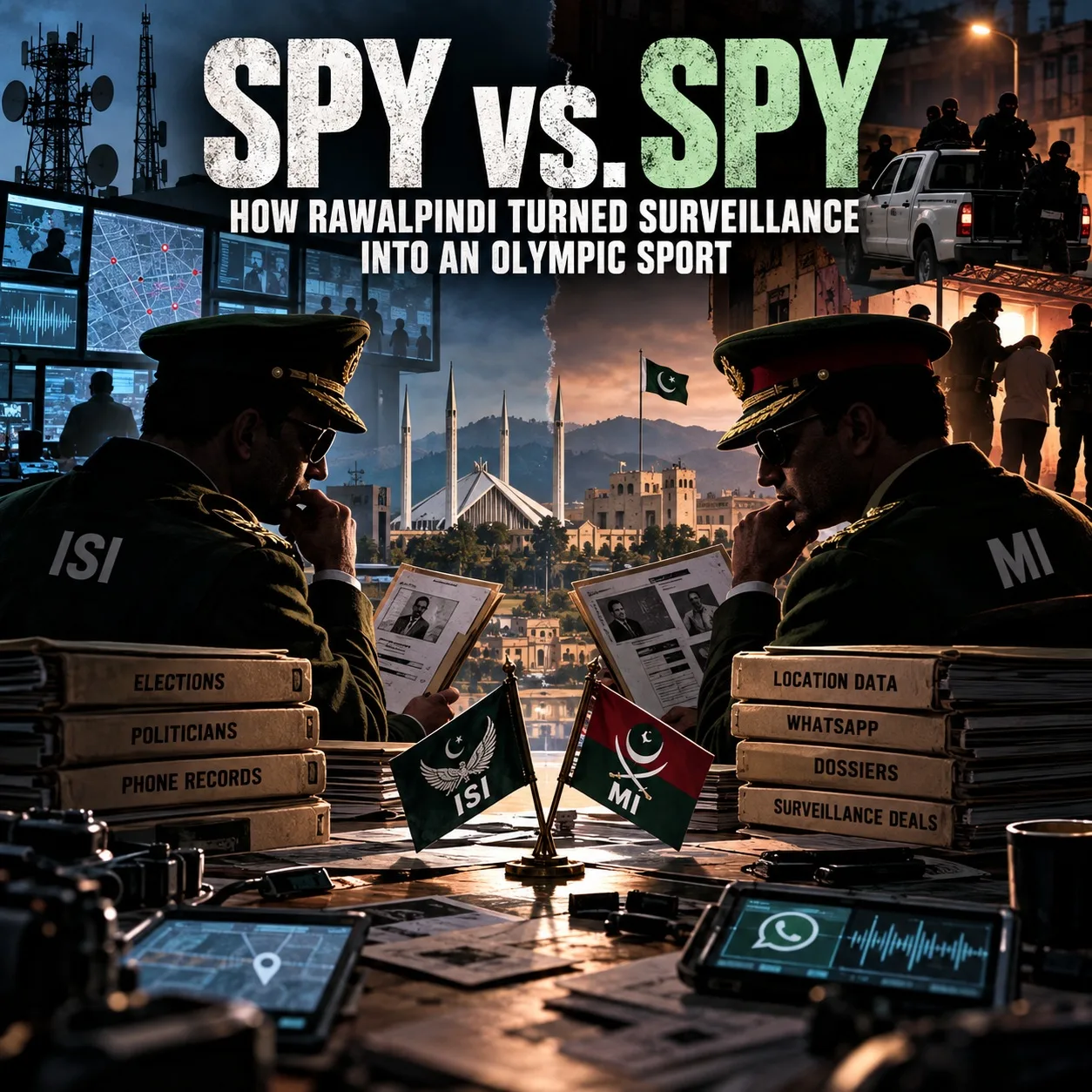
ISLAMABAD — As a Pakistani, you learn early on to take pride in our security setup. Other countries waste money on roads that don't flood, working hospitals or constitutional norms. We built something far more sophisticated: the world’s most thoroughly wiretapped political ecosystem.
For decades, the rules were simple enough. Inter-Services Intelligence handled geopolitics, elections and late-night calls to parliamentarians. Military Intelligence stuck to the barracks, mostly checking whether staff officers had their uniforms pressed and weren't talking out of turn.
Then General Asim Munir took over as Army Chief. Having run both the ISI and the MI on his climb up the ranks, he brought a unique perspective to the job: why should only one agency have access to everyone's phone records when both can share the fun?
EDITOR’S NOTE
This dispatch arrives from an Islamabad reporter who still roots for his country, even while watching its statecraft run completely off the rails. After years of being told that Pakistani intelligence agencies spend every waking hour foiling foreign conspiracies, it turns out the real action is far more domestic: two rival spy directorates spending millions to wiretap each other's offices.
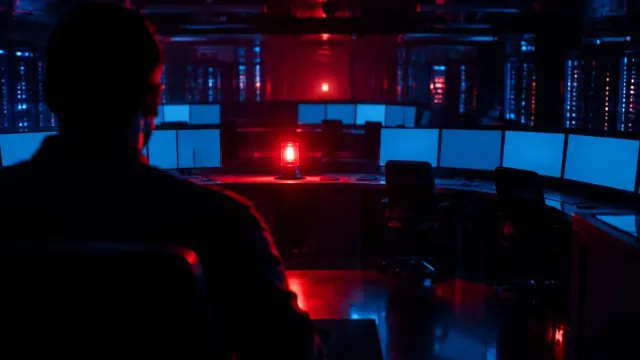
Before long, MI broke out of the barracks. The agency was quietly handed high-end technical surveillance powers usually reserved for the ISI. Suddenly, instead of watching the borders, officers could sit back and track the real-time location data and WhatsApp voice notes of their own corps commanders.
To ensure thorough coverage across the country, MI’s 408 Battalion expanded from about a dozen detachments to roughly 35 field units. In a rare display of joint-service cooperation, they even roped in Navy and Air Force officers. Picture the scene: a wing commander and a naval lieutenant sitting in an unmarked white pickup in Rawalpindi, coordinating an SSG-trained "grab team" not to hunt enemy agents, but to bag a mid-level bureaucrat, a stray opposition politician or a YouTuber with an opinion.
Naturally, giving two rival intelligence agencies the same tools led to the inevitable: an internal turf war.
On one side stood Major General Faisal Naseer—the former DG-C at ISI, known to protest crowds and drawing rooms alike as "Dirty Harry", backed by heavy political connections. On the other stood DG MI Major General Wajid Aziz, holding his post for nearly four years with the quiet backing of the ruling PML-N. Both men wanted the same prize: the top job at the ISI.
What followed wasn't an operational competition to secure the frontier. They just opened files on each other.
MI operatives started quietly leaking dossiers on Faisal Naseer, detailing questionable real estate deals, commercial interests and an upscale London lifestyle for his son. The ISI’s Islamabad desk responded in kind, blowing the dust off its own folders to build a counter-dossier on Wajid Aziz.
The standoff reached a peak over a proposed $15 million metadata surveillance deal—backed by an annual $8 million maintenance fee. Almost immediately, rival whispers claimed the procurement contract was structured to channel vendor kickbacks through family connections. It turns out you don't need hostile foreign agencies to dig up dirt when your own generals are auditing each other's backroom purchases.
To an outsider, burning through millions of dollars and thousands of elite personnel to bug each other’s teacups while both frontiers are on edge looks like complete dysfunction.
I see it differently. No foreign power could ever hope to infiltrate Islamabad. To pull off a coup here, an enemy spy would first have to get dual clearances from two competing directorates, survive a roaming snatch squad, outbid a $15 million metadata contract and wait on a broken sofa until the duty Major approves their day pass. Deterrence isn't about guarding the border anymore. It's about ensuring nobody in the capital can sneeze without two separate three-star generals opening an inquiry into it.