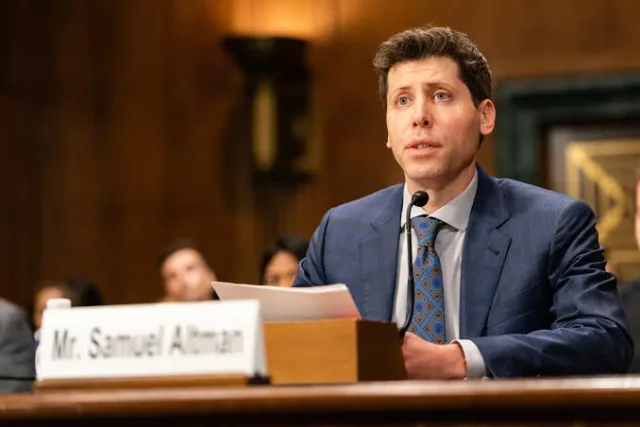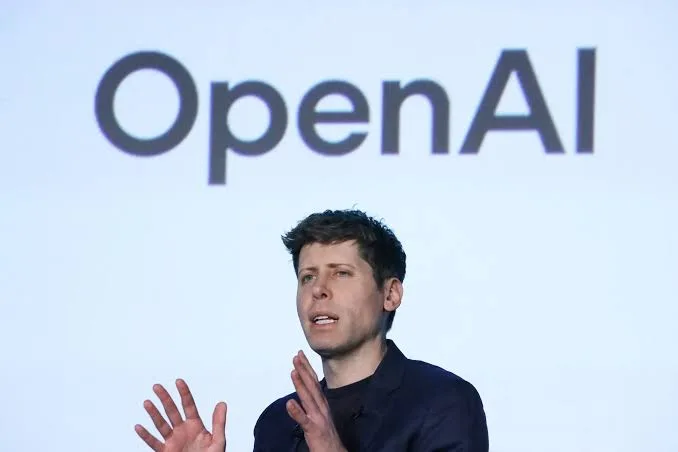
Texas has filed suit against OpenAI and its chief executive, Sam Altman, asking a state court to block minors from using ChatGPT and to require outside approval before the company releases new models. Attorney General Ken Paxton, who is running for the US Senate, filed the case in a district court in Collin County on Friday 23 October.
Paxton's office alleges that OpenAI has deceived and harmed Texans and has not regulated its product adequately. Its list of harms includes assisting mass shooters, encouraging suicide, humiliating professionals, weakening users' critical thinking and fostering addiction among minors without parental oversight. These are the state's allegations; none has been tested in court.
The relief sought is broad. The state wants an injunction that would force OpenAI to keep minors off ChatGPT and to have each new model cleared by a third-party evaluator appointed by the court. The statutes relied on and any damages sought were not specified in the first accounts of the filing.
The state is represented by outside lawyers, among them Ashley Keller and Tony Buzbee. Over the past year Paxton has sued or reached settlements with Meta, TikTok, Snapchat and Roblox under the state's consumer protection laws, and this case follows the same pattern against a company at the centre of the AI industry.
The suit arrives with a political backdrop. Elon Musk, whose company owns the rival chatbot Grok, is funding Paxton's Senate campaign. Grok has drawn criticism over deepfake images, and California's attorney general has opened an investigation into that matter, while Texas has taken no action against Musk's company. No one has said that the funding shaped the decision to sue.
OpenAI did not immediately respond to a request for comment when the case was filed.
The central legal question is whether a state consumer-protection statute can be stretched to impose pre-release approval on a general-purpose AI system. Courts have generally been cautious about orders that restrict a product's availability to an entire age group, and a remedy of this scale would be difficult to enforce for a service reachable from anywhere. The first practical step will be OpenAI's response and any move to shift the case to federal court.