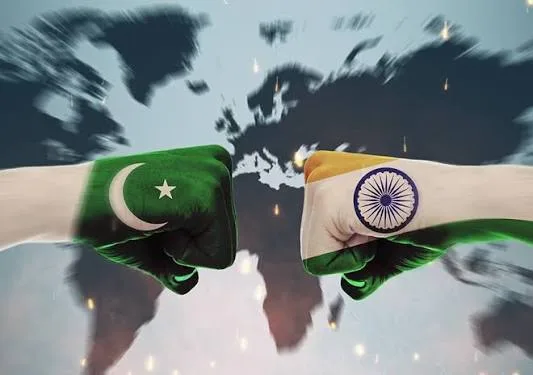
Senior officials from Saudi Arabia, Pakistan and Turkey met Iranian leaders in Tehran on Monday 26 October to discuss regional security as threats of fresh American strikes on Iran persist. The three countries signed a mutual defence agreement in August under which an attack on one is treated as an attack on all; Pakistan has ratified it, while Turkey's parliament has yet to do so.
The delegation comprised Saudi Defence Minister Prince Khalid bin Salman Al Saud, Pakistan's army chief, General Syed Asim Munir, and Turkey's intelligence chief, Ibrahim Kalin. They met President Masoud Pezeshkian and were expected to hold talks with Iran's security chief, Mohsen Rezaei. Iran said the pact states agreed to step up cooperation, and details of the discussions are scarce. A senior Iranian official has said the meeting was initiated by Pakistan during Munir's visit to Tehran the week before.
One agenda item is Yemen. Missile and drone attacks by the Houthi rebels, who are allied with Tehran, have been aimed at Saudi Arabia, and on 21 October the US State Department ordered non-emergency government staff and their families to leave the kingdom. Ayesha Siddiqa, a South Asia security scholar, said the pact's members lack military options against the Houthis, even as Riyadh presses its partners harder, and that neither Turkey nor Pakistan can afford to commit ground troops to Yemen.
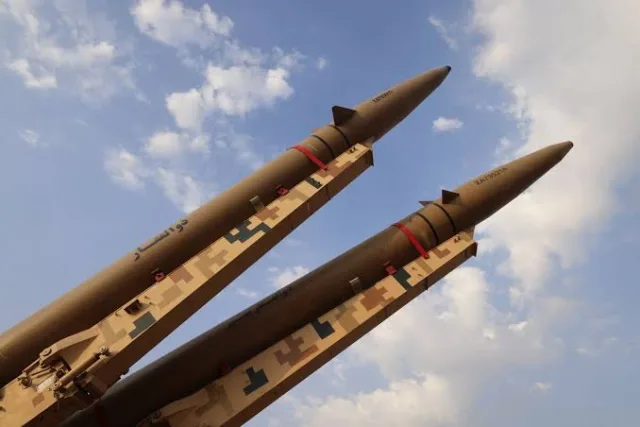
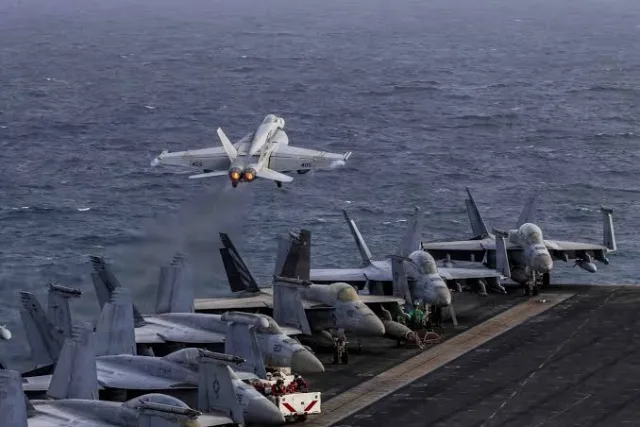
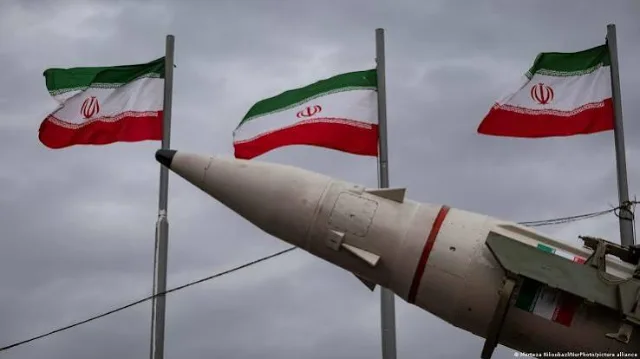
The other is the standoff with Washington. Trump is reportedly weighing new attacks to break the deadlock and has said he could finish the job by striking Iranian civilian infrastructure. Iran says it will not accept a settlement unless its demands are met, including an end to the US naval blockade of its southern ports and a return to the June memorandum of understanding. Washington and regional powers want unimpeded shipping through the Strait of Hormuz, limits on Iran's nuclear programme and international inspectors to assess its highly enriched uranium. Israel says it wants to overthrow the Islamic Republic.
Pakistan has restricted overland trade with Iran during the blockade, Siddiqa noted.
Analysts were guarded. Ali Vaez, a senior Iran analyst, called the visit an attempt to favour those willing to compromise but said it needs a credible formula to bridge the gap between Tehran and Washington. Umer Karim, a Saudi affairs researcher, said the talks are unlikely to reduce the risk of renewed war and are more about Saudi security and pressing Iran toward compromise. Sanam Vakil, a Middle East policy specialist, was cautiously optimistic about the meeting but doubted a lasting breakthrough, citing the unresolved US-Iran disagreements and Iran's limited influence over the Houthis.