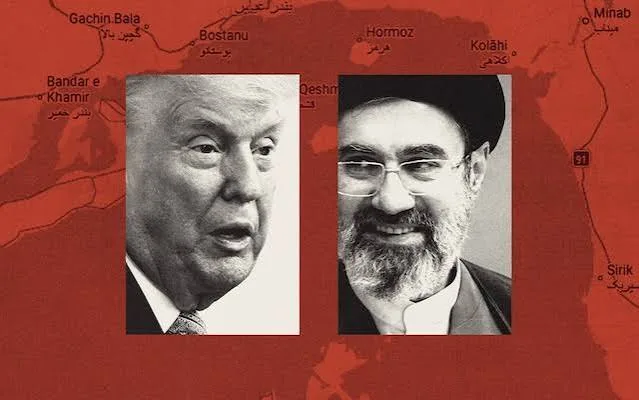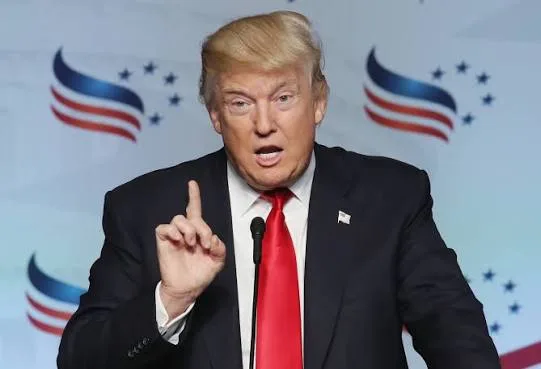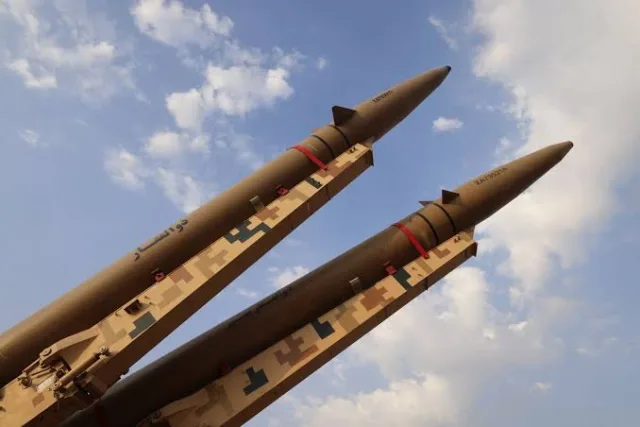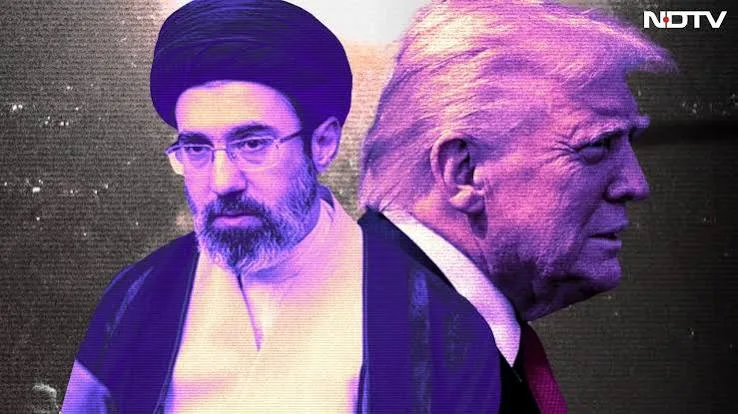
President Donald Trump said on Monday that the US-Israeli war on Iran is effectively over militarily, after meeting Qatar's prime minister in Washington. He repeated that the United States had destroyed Iran's military and described the present situation as a status quo kept in place at the request of Iran's neighbours. He said US forces could resume fighting if needed, that they are locked and loaded, and that he expects the conflict to end fairly soon. Asked why Washington does not simply declare the war over, he pointed to regional security and called for a long-term solution.
Trump met privately with Vice President JD Vance and Sheikh Mohammed bin Abdulrahman bin Jassim Al Thani, Qatar's prime minister and foreign minister, who is the main mediator. The Qatari leader publicly described the talks as positive and focused on moving US-Iran negotiations forward. He reportedly gave Trump a two-day Iranian proposal to end the war.
Much of the American pressure on Iran continues. The naval blockade of Iranian ports, which Trump called the largest in US history, remains in place. A newly announced body, Task Force Iron Gate, aims to cut off Iranian trade by land and through the Caspian Sea. The United States has carried out what Trump called minor strikes on Iran's Qeshm Island in recent days, and it is offering a $20 million reward for information about Iran's nuclear programme.
On Sunday Trump had said renewed strikes were highly unlikely if talks on Iran's nuclear programme and the reopening of the Strait of Hormuz progress, while keeping the option open. Oil prices fell sharply on renewed hopes for diplomacy, which eased inflation worries and helped drive a broad rally on Wall Street.
The war began on 28 February. It has spread to neighbouring countries and disrupted international trade, and Iran has fired missiles and drones at Gulf states, many aimed at US military sites. Qatar is one of several mediators.
Tehran rejected Trump's description, and the gap on terms remains wide.