Trump says renewed Iran strikes will not last long as Hormuz tensions rise
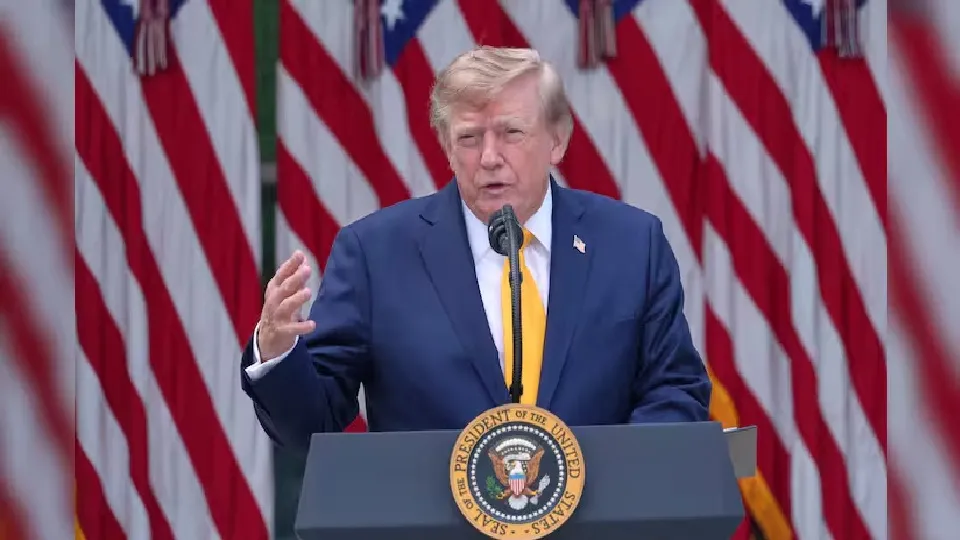
WASHINGTON — President Donald Trump said the latest US military campaign against Iran would not last “too long”, even as fresh fighting pushed up oil prices and raised new concerns that the conflict could widen.
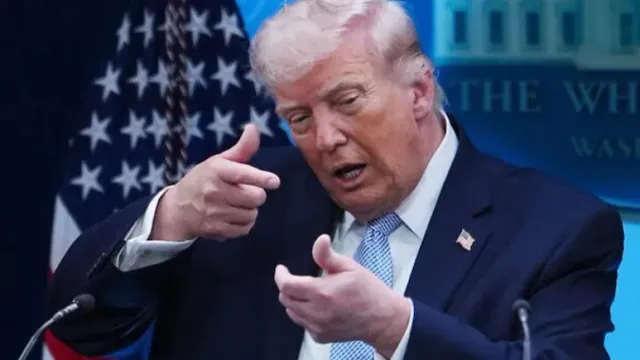
Trump, speaking to reporters in the Oval Office on Wednesday, said US forces had struck Iranian radar and missile systems as well as equipment linked to mine-laying along the southern coast. He said Washington was ready to carry out more attacks if necessary.
“We took out all of the new equipment that they tried to build along the Strait of Hormuz — some defensive, some offensive,” Trump said. “It was a very heavy attack last night, and we’re prepared to do another one any time we want.”
The US military carried out strikes on about 100 targets in Iran on Tuesday night, according to the report. Iran responded with missiles and drones aimed at US military positions around the region.
There was no US announcement of further strikes on Iran on Wednesday night.
Trump also repeated his claim that the United States has control of the Strait of Hormuz, a vital route for global energy supplies. He said ships carrying millions of barrels of oil were continuing to pass through the waterway under US protection.
Commercial traffic has nevertheless fallen sharply during the conflict. Oil shipments through the strait had recovered to about half their prewar level during a month-long lull in fighting, but the latest attacks threaten to disrupt that recovery.
Brent crude was trading around $95 a barrel on Thursday. It remained about 7 per cent higher for the week and 57 per cent above its level at the start of the year, adding to concerns about the effect of higher energy costs on the global economy.
The renewed fighting is also being felt across the region. Kuwait’s military said early Thursday that its air defences were responding to missile and drone threats. Iran has also targeted US positions in other countries hosting American forces.
The latest exchange of attacks followed roughly a month of relative calm. The pause had offered some relief to energy markets and allowed shipping through Hormuz to recover, but neither Washington nor Tehran has returned to negotiations since an interim agreement reached in June broke down.
Iran’s Foreign Ministry has called on neighbouring countries to stop allowing US forces to use their territory and military facilities for attacks on Iran.
The conflict has also brought fresh accusations over civilian casualties. Iranian authorities said a US strike hit a wedding ceremony in the southern coastal city of Sirik, killing at least four people and injuring about 67, according to the Iranian Red Crescent.
US Central Command denied targeting civilians. Its spokesman, US Navy Captain Tim Hawkins, said the US military “never targets civilians”. The reported incident has not been independently verified.
The latest escalation comes as Iran’s economy remains under severe pressure. A US naval blockade of Iranian ports has restricted the country’s energy exports, while inflation is running at about 80 per cent and the currency has weakened sharply this year.
US Treasury Secretary Scott Bessent said this week that Iran’s leaders were under growing economic pressure and would eventually be willing to negotiate. Tehran has so far shown little sign of accepting that assessment.
There are also signs that the conflict could continue despite Trump’s prediction that the renewed campaign will be brief. The United States is extending troop deployments in the region, with about 50,000 American personnel expected to remain in West Asia, according to the Wall Street Journal.
The fighting is also spilling into other parts of the Middle East. Israel has carried out repeated attacks on Hezbollah targets in southern Lebanon, while Hamas has warned that the fragile ceasefire in Gaza could collapse after an Israeli raid.
For now, Trump has given no timetable for ending the latest US strikes. His comments that the campaign will not last long have come alongside warnings that Washington is prepared to attack again.