EDITOR’S NOTE
This dispatch comes from an Islamabad reporter watching Turkish parliamentary television from a café in F-6 with one hand on his heart and a persistent throb behind his temples. After months of assurances that the trilateral Mecca Pact was merely an elevated canopy of Islamic solidarity and by no means a transactional swap of sovereign infantry for deferred central bank deposits the Turkish Grand National Assembly committed the ultimate diplomatic blunder: reading the actual contract aloud on state television. Below is our correspondent’s assessment of what happens when Ankara treats classified statecraft like open-source code while Rawalpindi works overtime in the acoustic recording booth.
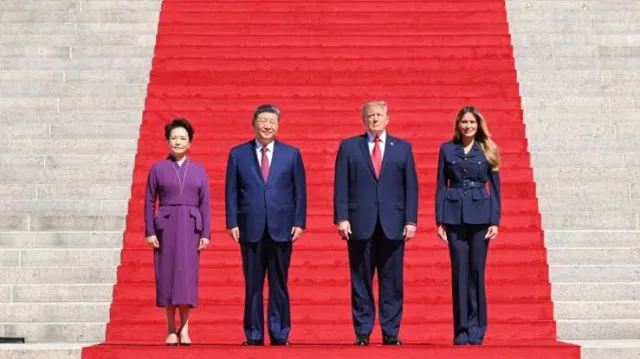
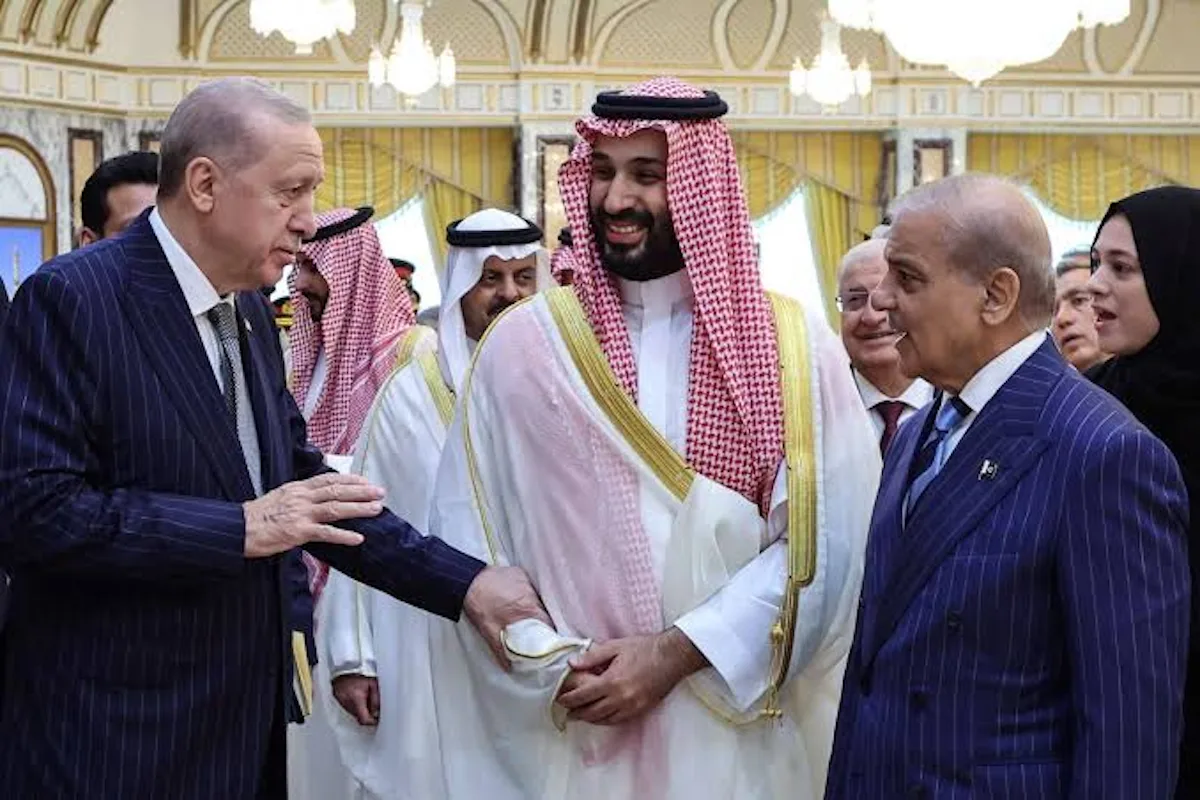
ISLAMABAD. For months, the official line on the historic Mecca Pact was a study in serene ambiguity. Whenever foreign correspondents asked what Shehbaz Sharif and General Asim Munir had actually signed alongside Recep Tayyip Erdoğan and Mohammed bin Salman in the holy city, our Foreign Office produced the gold standard of local diplomacy: polite nods about the Ummah, unreadable smiles and a silent prayer that the latest Saudi cash injection would clear before the monthly oil import bills landed on the desk.
On paper, the division of labor seemed flawless:
● Riyadh supplies the hard currency and the target coordinates.
● Ankara provides Bayraktar telemetry and stirring oratory on shared Ottoman heritage.
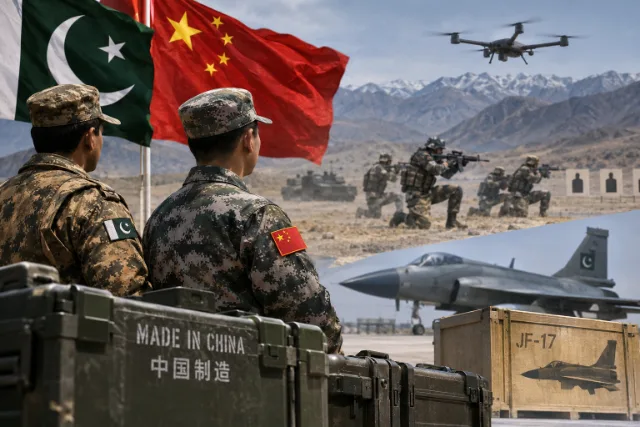
● Pakistan, the nuclear shield of the faithful, handles the physical reality on the ground namely, farm boys from Rajanpur and gig working Afghan commandos standing in the heat of Asir, tasked with intercepting drone debris before it marks the polished stone of a Gulf shopping plaza.
The arrangement suited everyone. The Saudis felt insulated, our finance minister slept soundly knowing the rupee would survive until morning and Tehran received quiet assurances that our boots in the sand were merely providing private facility management under an IMF sanctioned structural framework.
Then the Turks went and held a public debate.
From an Islamabad perspective, one can only marvel at Ankara’s political amateurism. They seem not to grasp how hybrid democracy operates. Here, when an elite strategic document is inked, we lock the text in a lead lined safe, slap the Official Secrets Act across the table of contents, padlock the provincial assemblies and instruct the media regulator to broadcast four straight hours of martial brass bands across every private network.
In Ankara, however, a committee chairman walked up to the podium, cleared his throat and read the entire operative clause directly into the public record.
The resulting silence across Islamabad’s administrative sector was immediate and cold.
Before Turkish deputies could finish their routine disputes over NATO interoperability or grain shipments, the entire region discovered what our "collective defence" actually entails.
For weeks, military spokesmen had patiently explained that our presence along the Red Sea was strictly consultative, defensive and above all, spiritual. Yet there it was on live television: Article 2 contains an automatic trigger. If a stray loitering drone touches a Saudi processing terminal, every partner is contractually obligated to commit assets, from frontline infantry to regional radar networks.
In the capital's drawing rooms, the mood shifted sharply. Over lukewarm tea, the question echoed: why would anyone translate Article 2 into Turkish, let alone broadcast it? Transparency remains the natural enemy of rolling foreign credit.
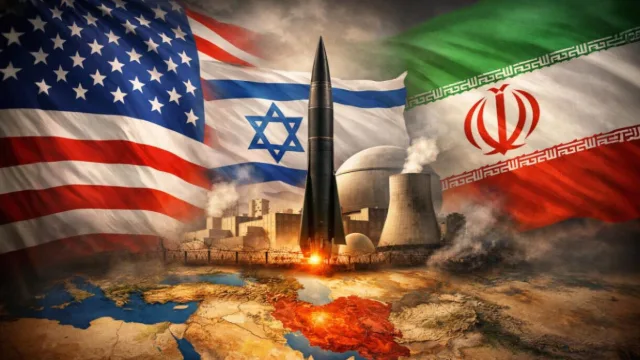
Across the southwestern border, the Iranian Revolutionary Guard didn't even need an intelligence intercept. A desk officer in Tehran merely tuned in to the Ankara parliamentary feed, pulled out his border map and drew a fresh red circle around Taftan.
The tactical dilemma is stark. Turkey debates the treaty from behind the physical buffer of the Mediterranean, the Bosporus and an existing NATO umbrella. Pakistan, by contrast, shares 900 kilometers of exposed desert frontier with Iran, where little separates inbound ballistic ordnance from a Balochistan runway except a wire fence and several isolated checkposts.
Should another barrage whistle toward Riyadh and Turkish parliamentarians insist on activating collective deterrence, Islamabad faces a brutal ledger. Scrambling jets burns aviation fuel secured on borrowed credit; intercepting Iranian hardware invites immediate retaliation along our own western rim.
Still, the establishment's reserve capacity remains intact.
While politicians in Ankara haggle over constitutional clauses and warning sirens sound across the Gulf, Rawalpindi has already deployed its proven deterrent. Engineers in the media wing have been working double shifts at the mixing console.
If Ankara leaks another paragraph of the text, we will not waste ordnance over Sanaa. We will release an ultra-high-definition, pan Islamic studio track featuring Turkish lutes, wall shaking bass drops and slow motion helicopter passes over the Margalla Hills. Let the Turkish opposition try to talk over that chorus.