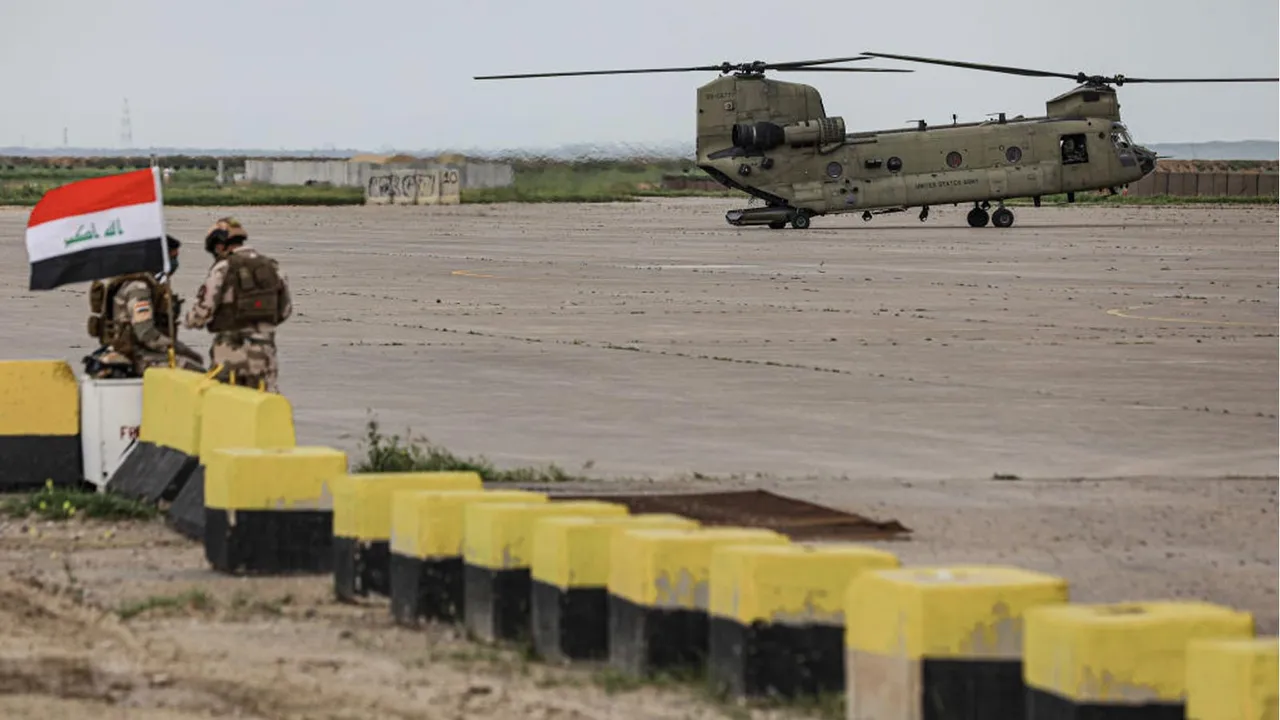
BAGHDAD — The United States completed the withdrawal of its remaining forces from Iraq on Wednesday, ending more than two decades of American military operations in the country and raising concerns that the departure could create space for Iran-backed militias to expand their influence and allow Islamic State to rebuild.
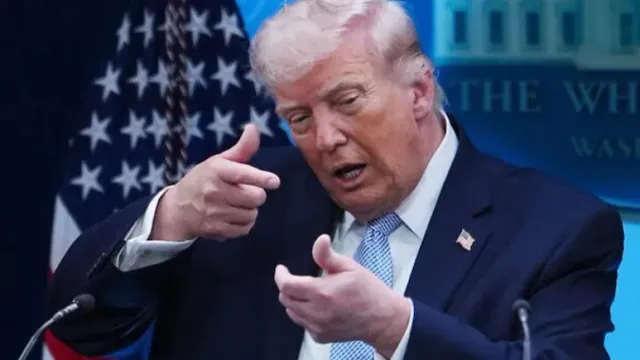
The final US troops left mainly from Erbil Air Base in Iraq’s semi-autonomous Kurdistan region, bringing an end to the US-led Operation Inherent Resolve mission in Iraq. Washington and Baghdad agreed to the withdrawal in 2024, with the process completed under President Donald Trump.
The departure was welcomed by Iran and its allied groups, which have long demanded the removal of US forces from Iraq and the wider Middle East. For many Iraqis, however, the end of the American military presence has produced mixed reactions, with relief over the departure of foreign forces accompanied by concerns about the country’s ability to maintain security on its own.
The United States invaded Iraq in 2003 to overthrow Saddam Hussein. The ensuing occupation was followed by years of insurgency and sectarian violence before American troops withdrew in 2011.
US forces returned less than three years later after Islamic State captured large parts of northern and western Iraq. The group seized roughly a third of the country and established a self-declared caliphate before Iraqi forces, supported by a US-led coalition, gradually recaptured its territory between 2014 and 2017.
More than 4,500 US troops died during the two decades of military operations in Iraq. The Iraq Body Count project estimates that more than 200,000 Iraqi civilians were killed during the conflict.
The latest withdrawal has revived memories of the security breakdown that followed the previous US departure. Iraqi security forces collapsed in several areas when Islamic State launched its offensive in 2014, allowing the militant group to seize Mosul and other major population centres.
Iraqi security officials now say Islamic State no longer controls territory on anything close to the scale it once did, but the group retains sleeper cells capable of carrying out attacks. Some officials have warned that the loss of US intelligence, surveillance and logistical support could make it easier for the organisation to reorganise.
Kurdish commander Sirwan Barzani said security forces had observed increased activity by Islamic State sleeper cells in the weeks preceding the withdrawal. Iraqi officials have also said they disrupted an alleged plot to carry out suicide attacks around the time of the US departure.
The threat from Iran-aligned armed groups presents a separate challenge. Tehran has built extensive political and military influence in Iraq through allied Shiite militias, some of which operate within or alongside the country’s security structures.
The withdrawal removes an important military counterweight to those groups. Iraqi analyst Ahmed Younis said the absence of Western forces could encourage Iran-backed militias to seek greater influence over state institutions and security policy.
Iran has presented the US departure as a victory for its regional network of allied armed groups. Supporters of pro-Iranian militias gathered in Baghdad to celebrate the withdrawal, with some carrying portraits of senior Iranian leaders and chanting anti-American slogans.
The US departure comes as Iraq remains caught between competing relationships with Washington and Tehran. The country has maintained close political and security ties with both powers while repeatedly becoming a theatre for their wider confrontation.
US forces and bases in Iraq were targeted repeatedly by Iran-backed armed groups during periods of heightened tension. Seven of the 18 US service members listed as killed during this year’s conflict with Iran died in Iraq, according to the reported figures.
Washington’s military mission in Iraq has now formally ended, but the US relationship with Baghdad has not. American officials have said the two countries will move towards a bilateral defence relationship, with Washington continuing to provide selected training and intelligence support.
The counter-Islamic State coalition has also shifted its regional headquarters to Jordan, while US forces continue operations against the militant group in Syria alongside coalition partners and the Syrian government.
For Iraq, the immediate test is whether its security institutions can prevent either Iran-backed armed groups or Islamic State from exploiting the transition.
Retired Iraqi army general Mohammed al-Jubouri, who commanded forces during the campaign against Islamic State, said the key question was whether Iraq had prepared an effective security plan for the post-coalition period.
The withdrawal closes one of the longest and most consequential chapters of the US military presence in the Middle East. It also leaves Iraq responsible for managing security threats that have persisted long after the territorial defeat of Islamic State and amid continuing competition between Washington and Tehran.