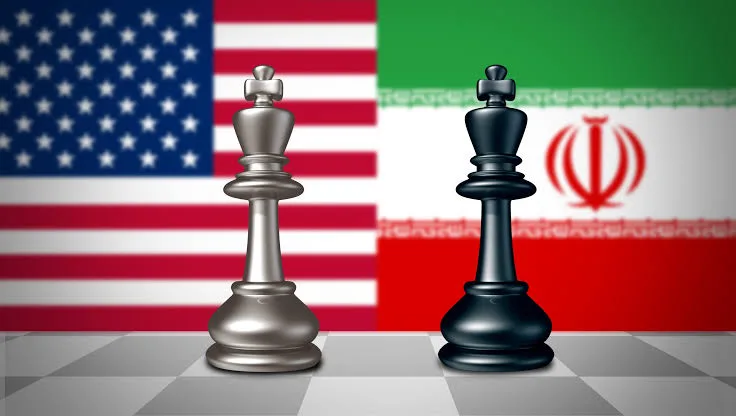
US Vice President JD Vance has contacted Mohsen Rezaei, who heads Iran's Supreme National Security Council, in an attempt to revive talks, US and Iranian accounts published on Wednesday 29 October show. Vance sent a letter, and a US official confirmed that it had been delivered without saying when. Further contacts between US and Iranian officials have followed, though their form has not been specified.
Who started it is disputed. One account says Vance wrote at President Donald Trump's direction. A US official gave a different version, saying Vance proposed the letter and Trump welcomed the idea. Trump himself says he did not tell Vance to pursue peace talks, that the contact was mainly about helping deliver medical supplies, and that Vance asked for his approval first. Trump had said shortly before that his administration was not negotiating with Iran.
The purpose, as described, is to find enough common ground to persuade Trump to hold off on what officials call a short but intense military campaign against Iran, which they describe as possible in the coming weeks. The letter laid out a framework for possible negotiations rather than a detailed deal. A separate account says Vance stressed that any talks meant to prevent renewed strikes must deal with Iran's nuclear programme.
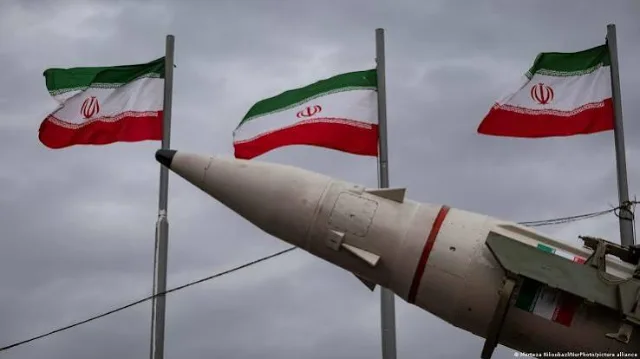
Foreign Minister Abbas Araghchi said on social media that Iran's armed forces are ready to defend the country but that Iran is still giving diplomacy a chance. He said Iran is in close contact with mediators on how to carry out its seven-day plan to reopen the Strait of Hormuz in less than a week. No public Iranian reply to the letter had been reported.
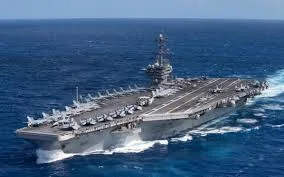
Washington has meanwhile warned several Gulf Arab governments to prepare for a possible new campaign after the US midterm elections on 3 November. Trump has not made a final decision on new strikes. The war began with US and Israeli strikes in late February and has disrupted Gulf energy shipments, partly through restrictions on traffic in the Strait of Hormuz.
The immediate question is whether Tehran answers the letter before the election and whether that changes the planning for strikes.