A senior US lawmaker is pressing President Donald Trump and Secretary of State Marco Rubio to make the release of Americans and other detainees a more prominent issue in direct dealings with Chinese President Xi Jinping.
Rep. Chris Smith, a Republican who has played a prominent role in congressional scrutiny of China, has urged the administration to use its highest-level diplomatic contacts to raise cases involving Americans, religious figures and political prisoners held by Chinese authorities.
The effort places individual detainee cases alongside the larger issues dominating Washington-Beijing relations, including trade, technology, national security and Taiwan.
Smith has highlighted several cases, including those of Hong Kong publisher Jimmy Lai, Americans Nelson Wells Jr. and Dawn Michelle Hunt, Christian pastor Ezra Jin Mingri, Uyghur doctor Gulshan Abbas and Uyghur website founder Ekpar Asat.
The congressman has argued that direct intervention by senior US officials can make a difference, particularly when cases are raised directly with Xi.
That argument gained momentum after Jin, the founder of Beijing’s Zion Church, was released following months in Chinese custody. Smith credited pressure from the Trump administration and Rubio with helping secure his release.
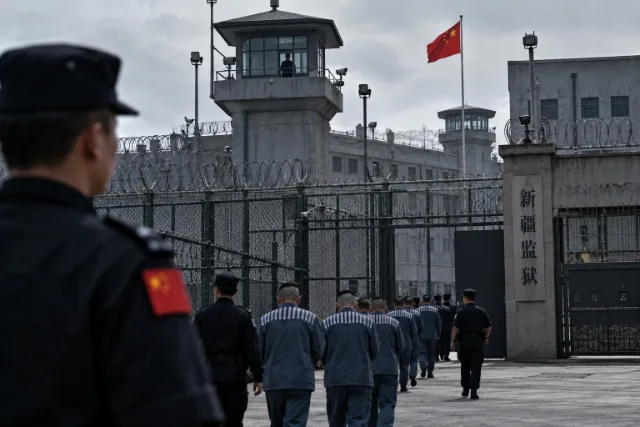
For families of detainees, the cases are not abstract diplomatic disputes. They concern people who have spent years in prison or under Chinese restrictions, often with limited access to their families.
One of the most prominent cases is Jimmy Lai, the British-Hong Kong publisher and pro-democracy advocate. Lai was sentenced to 20 years in prison after being convicted under Hong Kong’s national security law. His detention has become a major human-rights issue in US relations with China, with American officials calling for his release.
Smith has repeatedly raised Lai’s case in Washington. A congressional hearing in September featured Lai’s son, Sebastien Lai, who appealed for continued US pressure to secure his father’s release.
The list of cases extends to Americans imprisoned in China after criminal convictions as well as people Washington considers to have been wrongfully detained.
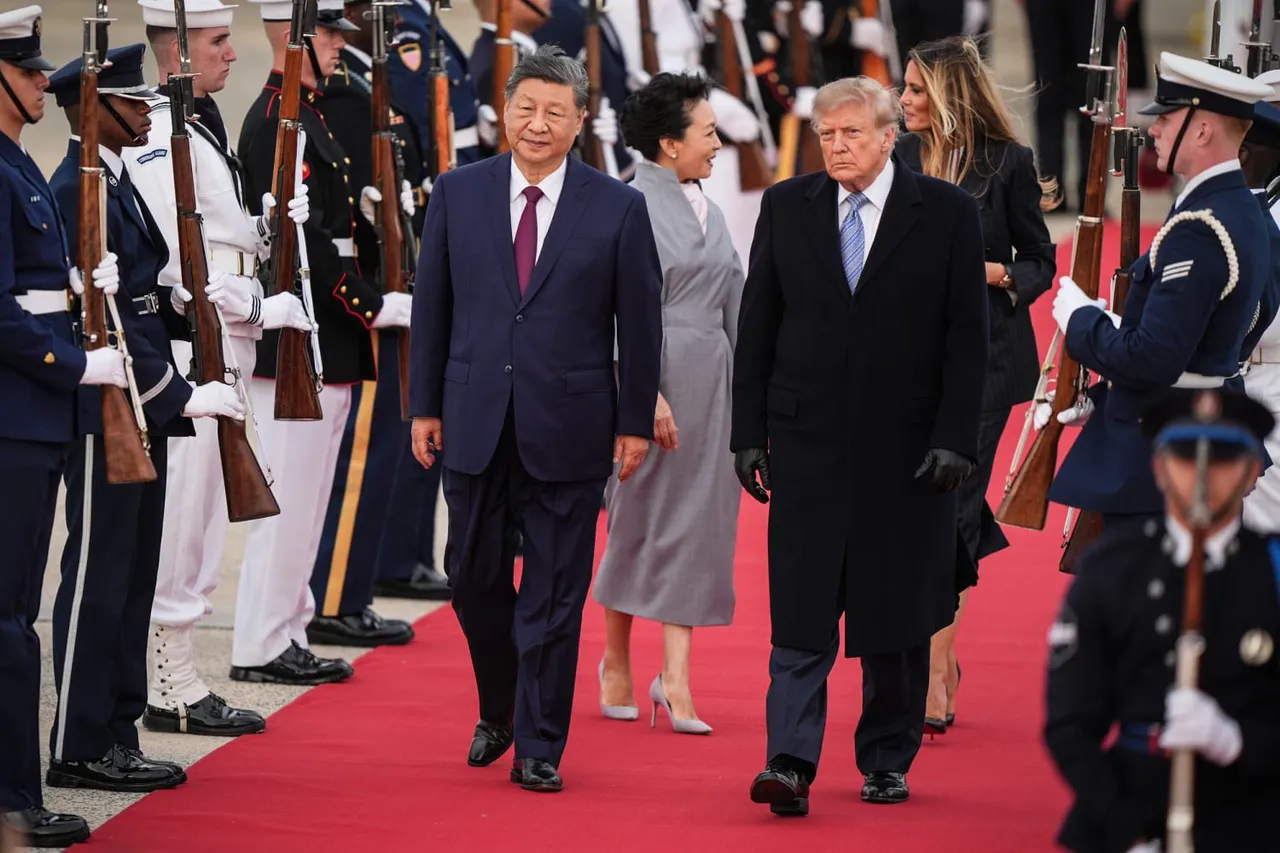
Trump said after his September meeting with Xi that he had discussed the release of political prisoners with the Chinese president. The president did not publicly identify all of the cases involved.
One such case involves US citizen Chen Youlin, a seismologist detained in China and accused by Chinese authorities of espionage. Washington has classified Chen as wrongfully detained, while Beijing has rejected that characterization.
Wells and Hunt have also drawn congressional attention. Their families have sought US intervention after the two Americans spent more than a decade in Chinese prisons following drug convictions.
The cases present Washington with a difficult diplomatic balance.
The United States has a long list of strategic disagreements with Beijing, while both governments also have an interest in maintaining channels for negotiation. Prisoner cases can become bargaining points in that relationship, but they can also provide a concrete measure of whether high-level engagement is producing results beyond statements and summit meetings.
For Smith, the argument is straightforward: if Washington has direct access to Xi, individual cases should be placed directly on the agenda.
The administration now faces the challenge of translating that pressure into outcomes without allowing individual detainee cases to become lost amid the much larger US-China relationship.
For the families waiting outside Chinese prisons, however, the significance of the diplomacy is measured in much simpler terms.
A meeting between presidents matters only if it eventually changes what happens to the people whose names are brought into the room.