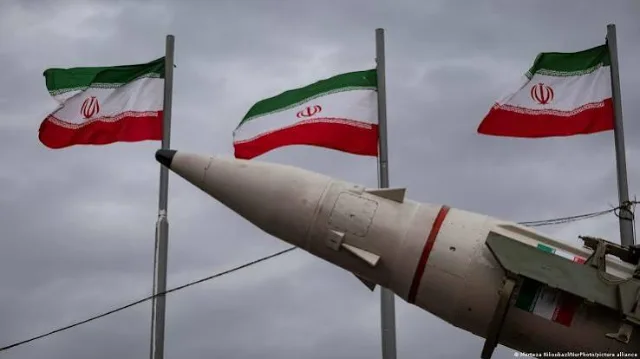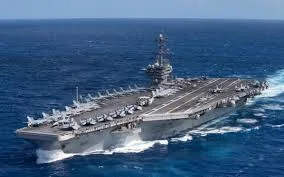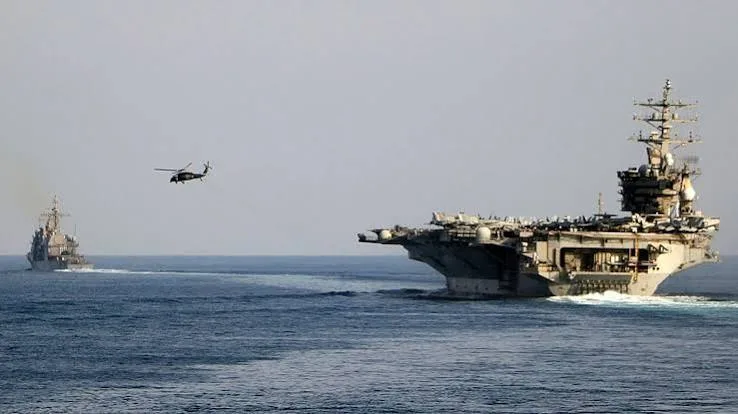
American forces already in the Middle East can launch a major offensive against Iran within 96 hours of an order from President Donald Trump, according to US officials. Trump has not decided whether to authorise it. The planned targets are nuclear facilities, military installations and energy infrastructure, in a campaign much broader than recent strikes on missile launchers and radar sites.
Timing is uncertain. Some current and former officials think a renewed large-scale operation could come before the end of the year, with a date after the US midterm elections on 3 November seen as more likely. Officials caution that Trump has come close to approving major operations before backing off. The White House declined to comment, and a senior Pentagon official said that drawing up options is routine and does not signal an order.
Israel is part of the picture. Prime Minister Benjamin Netanyahu reportedly sought US approval for a joint attack before Israel's election on 27 October and Trump refused, after Israel's army chief reportedly warned that an attack then could provoke Iranian retaliation and disrupt the vote. Washington reportedly told Israel to wait, with joint action possible after the midterms, and Israel appears to accept this, partly because it relies on US missile defence and its interceptor stocks are strained. US intelligence reportedly sees no clear strategic goal from Netanyahu beyond weakening Iran, while Netanyahu has said publicly that he directed security agencies to work towards overthrowing the Iranian government.
Intelligence assessments expect Iran and the Houthis to retaliate quickly against American personnel and facilities across the Middle East, possibly beyond it, if attacked first. Neither is seen as likely to launch a major pre-emptive attack. A memo dated 23 October said Iranian plots against Americans had reached advanced stages, including outside the Middle East. The US embassy in Riyadh has ordered some staff to leave, and some non-essential military rotations have been cancelled.
The Strait of Hormuz remains tense, with US forces enforcing a blockade of Iranian ports and clearing mines, and energy prices high. One official called the situation unsustainable. Officials also acknowledge doubts about whether a new offensive would achieve its aims, since Iran has adapted to American tactics, and about the broader plan for ending the conflict.