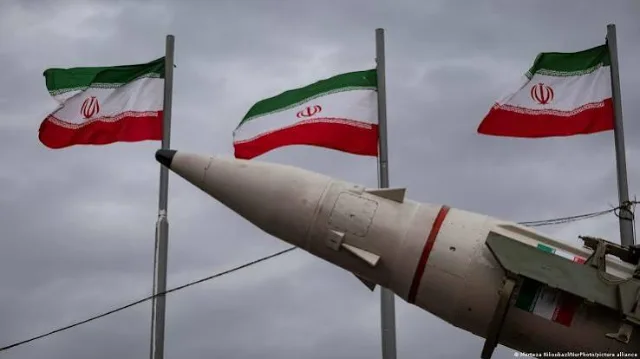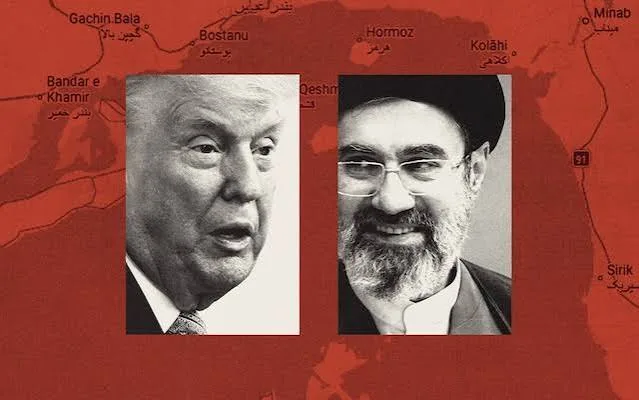
American military planners have prepared options for renewed attacks on Iran that could be put into effect if the White House authorises them, as of Sunday 25 October. The preparations are not an order to strike. The decision rests with President Donald Trump, and attention centres on attacks after the US midterm elections on 3 November.
The planning has been widely described. Earlier in October the Pentagon reportedly told Central Command to finish preparing for a possible return to major combat, with potential targets including Iranian energy facilities, infrastructure and nuclear sites. On Wednesday 22 October a US newspaper reported that Washington and Israel have drawn up joint plans for an attack after the vote.
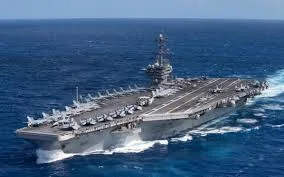
Forces are moving. The USS Theodore Roosevelt carrier strike group, roughly 10,000 additional soldiers and the 13th Marine Expeditionary Unit are due in the Middle East by the end of November, and the State Department has ordered staff reductions at several regional embassies. Iran's army said it shot down a US-developed LUCAS drone over Bandar Abbas on Sunday. A wire report citing Iranian officials said Tehran has plans to target undersea communications cables in the Gulf if attacks resume.
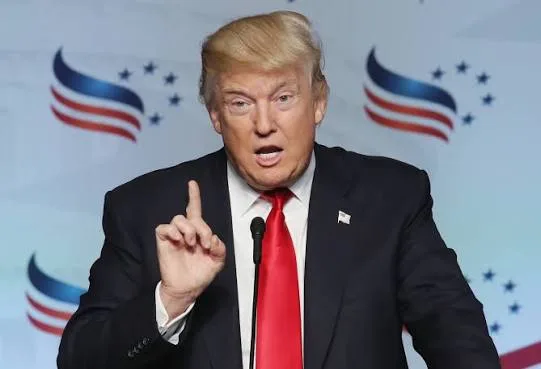
Trump has sent mixed signals. On Friday he said the US may do another little Epic Fury, the name of the operation that began on 28 February; on Saturday he suggested a strike could come the next day while also raising a possible big, beautiful agreement. Iranian President Masoud Pezeshkian accused Washington of derailing negotiations but said the effort to reach a deal should continue. Iran's parliament speaker and chief negotiator, Mohammad Bagher Ghalibaf, will miss a BRICS parliamentary forum in New Delhi because of unforeseen circumstances.
Iran's rhetoric has hardened. A Revolutionary Guard spokesman, Hossein Mohebi, said Iran's doctrine has shifted from purely defensive to offensive and that countries hosting bases used in attacks could be targeted. Director of National Intelligence Jay Clayton wrote to Secretary of State Marco Rubio that Iran had substantially increased efforts to target US personnel, with lethal plots at advanced stages. Israeli Prime Minister Benjamin Netanyahu has said overthrowing Iran's government remains Israel's primary objective.
Iran claimed that seven oil tankers caught fire or were damaged near the Strait of Hormuz earlier in the week. October has been the worst month for attacks on shipping since the war started, with more than 120 reported.
Julie Norman, a Middle East politics scholar, called the planning an immediate posturing deterrent and also a very real option after the midterms, and questioned what another round would achieve in forcing Iran to negotiate. Mohamad Elmasry, a political analyst, said there is a lot of signalling pointing to renewed fighting, citing the defence secretary's recent trip to Israel and withdrawals of US personnel from regional sites, and warned the next round could be more dangerous than the last.