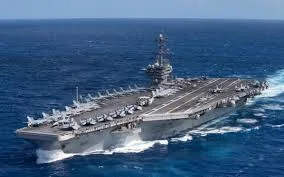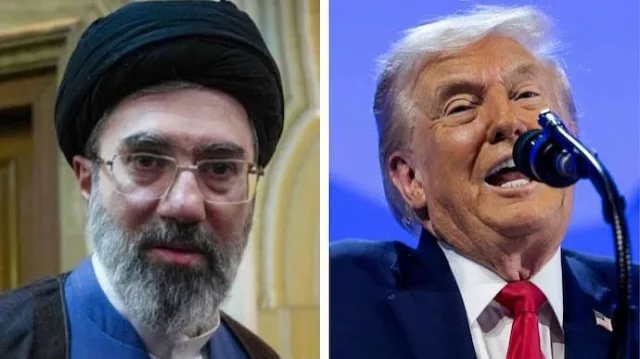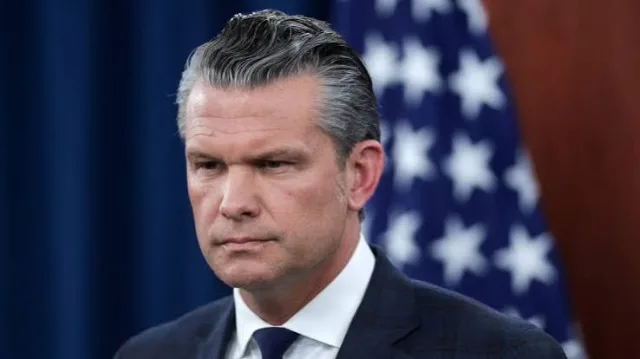
The United States is preparing for the possibility of renewed war with Iran while a diplomatic channel is tested in Tehran. US media accounts say Admiral Brad Cooper, who heads US Central Command, briefed President Donald Trump on Thursday on options for fresh strikes. The same accounts say American forces have added air defences and munitions in the region and pulled some troops back from exposed bases, and that Washington and Israel have drawn up joint plans for an attack after the 3 November midterm elections.
Ten US military cargo planes landed at Israeli air bases on Thursday, with more flights sent to Jordan, Saudi Arabia and Qatar. Senator Chris Murphy, a Democrat who was briefed on the plans, called them insane. US media also say Trump has warned Gulf allies to be ready for a short, intense campaign once the elections are over.
A letter and a delegation
On the diplomatic track, Vice President JD Vance wrote to Mohsen Rezaei, secretary of Iran's Supreme National Security Council. The letter went through Qatari mediators on Sunday. It proposes direct talks led by Vance, with Iran's nuclear programme on the table from the start, and Vance has offered to meet Rezaei in person. A source briefed on the exchange described it as a framework for negotiations, not a set of peace terms.
On Friday morning a Qatari delegation led by a senior adviser to Qatar's prime minister and foreign minister arrived in Tehran. Iranian state media said it was acting in coordination with US officials. Tehran has made no formal response, but sources there describe the tone of Vance's letter as noticeably more respectful than earlier American messages, and Iranian authorities have welcomed it. Sources say a meeting in Doha or Istanbul could follow within a week.
Iran's conditions
Parliament Speaker Mohammad Bagher Ghalibaf said progress depends on seven Iranian conditions. They include lifting sanctions, ending the US naval blockade of Iranian ports, a guarantee that American and Israeli strikes will stop, and the return of frozen Iranian assets. He added that pressure combined with inducements has no effect on Iran.
Analysts disagree about who decides in Tehran. Rouzbeh Parsi says Iranian officials may give Vance's approach little credit until it delivers something concrete. Wolfgang Pusztai argues that the Revolutionary Guards set the line and that Rezaei's public statements reflect their position.
Timing and stakes
Forecasts diverge. Andreas Krieg expects nothing to happen before 3 November and says the chance of war would then rise sharply, with unprecedented risks for Gulf states. Pusztai thinks a large attack before the vote is very unlikely but sees a major wave as possible from mid to late November. Paul Musgrave expects substantial American attacks fairly soon. Krieg and others say the main obstacles to a deal are sequencing and mistrust: Iran wants sanctions and the blockade lifted early because it fears Washington would go back on its word.
The war began on 28 February, when the United States and Israel attacked Iran two days after talks in Geneva. Supreme Leader Ali Khamenei was killed in the first strikes and his son succeeded him. Markets are already pricing the danger. Brent crude traded around $113 a barrel on Friday morning, against about $72 before the war, and was heading towards $120 in later trading, a level last seen in April.
The first test is whether anyone in Tehran accepts Vance's offer before the polls close in the United States.