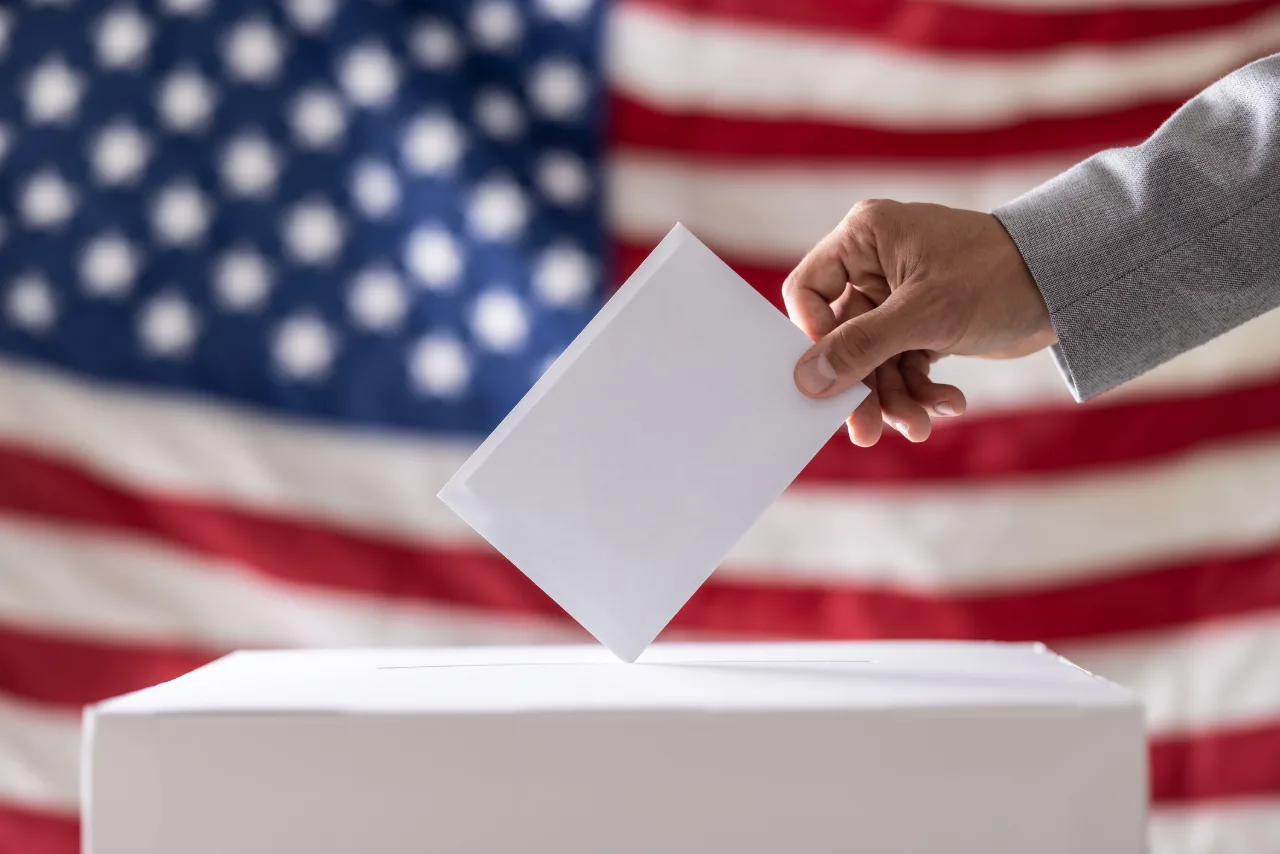
As Americans prepare to vote on November 3, AI-generated advertisements have moved from the margins of campaign communication into the mainstream. Videos depicting candidates in fabricated situations are being used to damage reputations, provoke outrage and shape perceptions. The technology has made such material cheaper and easier to produce, while the rules governing its disclosure remain fragmented.
The result is an election environment in which political advertising can look increasingly real while becoming less reliable as a record of reality.
The scale of the shift is striking. The Wesleyan Media Project has identified 220 political advertisements nationwide that were generated at least partly with AI, with estimated spending exceeding $137 million. Only 27 per cent of the ads carried an AI disclaimer, according to the project. The figures suggest that synthetic media is no longer an experimental campaign tactic. It has become a substantial part of the political advertising landscape.
The problem is not the use of AI itself. Political campaigns have always adopted new technologies to reach voters, sharpen messages and compete for attention. Artificial intelligence can assist with translation, accessibility, graphic design and the rapid production of campaign material. It can also help smaller campaigns communicate with audiences they could not otherwise afford to reach.
But there is a fundamental difference between using technology to communicate a political argument and using it to fabricate evidence against an opponent.
An advertisement that criticises a candidate’s published policy, public statement or voting record is part of legitimate political contestation. A video that depicts the same candidate doing or saying something that never happened is a different proposition. It does not merely present an argument; it manufactures the material on which the audience is invited to judge that argument.
That distinction is becoming harder to enforce as generative tools grow more sophisticated and synthetic footage becomes easier to produce. Some advertisements use obviously artificial scenes or exaggerated satire. Others create realistic images and situations that viewers may accept as genuine, particularly when encountered in a brief television spot or a social media feed without accompanying context.
The danger extends beyond whether a voter believes a particular advertisement. Repeated exposure to fabricated political content can undermine confidence in the entire information environment. When genuine footage is challenged as artificial and fake footage is presented as authentic, citizens face a more difficult task in distinguishing evidence from manipulation.
This creates an additional advantage for political actors willing to exploit uncertainty. A fabricated video can generate attention even after it is debunked. Its emotional impact may precede verification, while corrections rarely travel through the same channels or reach the same audiences. The controversy itself can become the campaign asset.
Disclosure is therefore essential, but it is not a complete solution. An AI label can inform viewers that synthetic material was used, yet it cannot automatically establish whether an advertisement is fair, misleading or defamatory. Nor can a brief disclaimer reliably correct a false impression created by a realistic depiction of events that never occurred.
The current regulatory patchwork in the United States compounds the difficulty. Some states restrict certain uses of AI-generated political material or require disclosure, while others have adopted different approaches. There is no comprehensive federal mandate requiring political advertisements to disclose AI use. This leaves voters with inconsistent protections and campaigns operating under different standards.
Any national framework must nevertheless draw careful distinctions. A sweeping ban on AI-generated political content could restrict legitimate satire, artistic expression and ordinary campaign communication. Political parody has a long history in democratic societies, and the use of digital tools does not automatically make an advertisement deceptive.
The more defensible approach is to focus on material misrepresentation. Campaigns should be required to disclose clearly when AI-generated or manipulated media depicts a real candidate or public figure in a fabricated situation, particularly when the content could reasonably be mistaken for authentic footage. The rules should distinguish such material from routine editing, visual enhancement and clearly recognisable parody.
Responsibility must also extend beyond the candidates whose names appear on the ballot. Political action committees, outside groups and other campaign organisations can play a major role in producing and distributing attack advertisements. Rules that apply only to candidates would leave important gaps in the system. Transparency requirements must cover the organisations financing and publishing the material, with meaningful penalties for deliberate violations.
Technology platforms also have a role. They should make political-ad disclosures visible, preserve information about sponsors and provide accessible records of advertisements. Where content is identified as manipulated, platforms should avoid allowing it to circulate without context while still maintaining fair procedures for review and appeal. Transparency is more useful than opaque, inconsistent enforcement.
Yet regulation alone cannot preserve a shared basis for democratic debate. Voters, journalists and political institutions must adapt to a world in which visual evidence is no longer self-authenticating. Campaign footage should be assessed alongside original sources, independent reporting and verifiable records. News organisations must explain not only whether a video is fake, but what is known about its origin and how its claims can be checked.
The burden, however, cannot be placed entirely on citizens. Voters should not have to become forensic investigators every time they encounter a political advertisement. Campaigns possess the resources and knowledge to identify the content they produce. They should be expected to take responsibility for its accuracy and disclose when they have used synthetic media to depict events that never happened.
The American midterms are exposing a wider challenge for democracies. AI has lowered the cost of producing political content, but it has also lowered the barrier to manufacturing misleading impressions at scale. The central question is not whether campaigns will use these tools. They already are. It is whether democratic institutions can establish rules that preserve political expression without allowing fabricated realities to pass as evidence.
Elections depend on disagreement, persuasion and the freedom to criticise those seeking power. They also depend on voters having a reasonable chance of knowing what they are being shown. When campaigns blur that line deliberately, the damage extends beyond individual candidates. It weakens the credibility of political debate itself.
Artificial intelligence may change how elections are fought. It should not be allowed to erase the distinction between an argument and a lie.
Add a sharper policy frameworkClarify the opening election context