President Donald Trump said on Tuesday 27 October that his administration will officially ban the term artificial intelligence, widening a renaming that federal agencies were already told to carry out. He posted on social media that the ban would come in short order and cover all relevant documents.
The existing instruction is Executive Order 14434, titled Inaugurating the Era of Super Intelligence, signed on 29 September 2026. It directs federal agencies to use the words Super Intelligence and the abbreviation SI instead of artificial intelligence and AI in official communications, websites, reports and policy documents. It also tells agencies to stop acknowledging the older terms.
The effect is mostly linguistic. The order does not require changes to earlier regulations, presidential actions, contracts, grants or other historical documents, and it applies only to the executive branch, to the maximum extent the law allows. It asks the president's science adviser to propose a federal definition of super intelligence and to identify any further executive action needed. Accounts differ on the deadline: one says within 60 days, another gives 28 November for agencies to propose legislative language. A broader ban would need action beyond the current order, and none has been described.
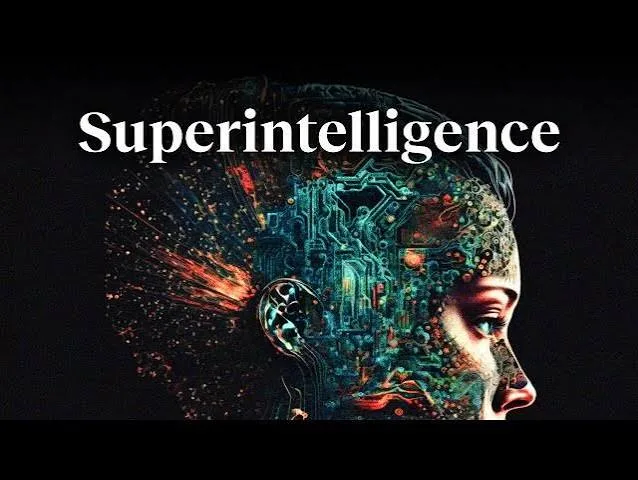
The White House says the change reflects its push to stress the technology's potential and American leadership in it. Researchers and policy specialists object, arguing that superintelligence already has a specific technical meaning in the field and is not a synonym for current systems. Commentators also point to a mismatch with the law: statutes, state laws, contracts and corporate governance frameworks continue to use AI, so organisations may soon meet both terms in federal paperwork.
The practical question is what the formal definition will say, and whether companies dealing with federal agencies will have to adopt the new label in their own filings.