Israeli media reported on 27 October that Saudi Arabia offered Yemen's Houthi movement $1 billion in an Iran-brokered deal to halt attacks on the kingdom, and that the money was brought to Tehran. The reports cite diplomatic sources. They have not been independently confirmed, and Saudi officials have not confirmed any transfer.
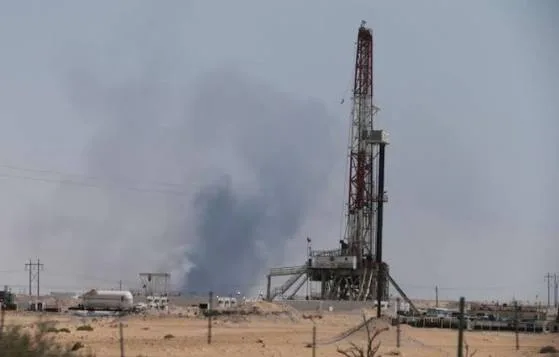
The context is a sharp rise in Houthi attacks on Saudi Arabia. On 27 October the Houthis claimed missile strikes on the Ras Tanura refinery and the Defence Ministry in Riyadh, and on airports in Najran, Khamis Mushait and Abha; the Saudi-led coalition said it intercepted four drones and three ballistic missiles that day and did not confirm either hit. Clashes near the Bab el-Mandeb Strait killed nearly 100 combatants according to military sources on both sides. Egypt's parliament approved sending troops to help defend Saudi Arabia in a mission President Abdel Fattah el-Sisi called entirely defensive, and a Houthi official called that a declaration of war.
Iran reportedly offered to facilitate talks between Riyadh and the Houthis, using its ties to the group. The Tehran meeting on 26 October, attended by Saudi Arabia's defence minister, Pakistan's army chief and Turkey's intelligence chief, was described by Saudi Arabia's foreign ministry as part of their defence alliance's work to de-escalate and to support mediation by Qatar and Pakistan. A report in an Indian newspaper says Riyadh's position remains that it will not accept a new ceasefire under military blackmail and opposes transferring funds.
Coverage is split on the framing. Israeli outlets tend to present Iran as the driver of the escalation, while others stick to the reported negotiations. Until Riyadh, Tehran or the Houthis confirm terms, the $1 billion figure should be treated as a claim.