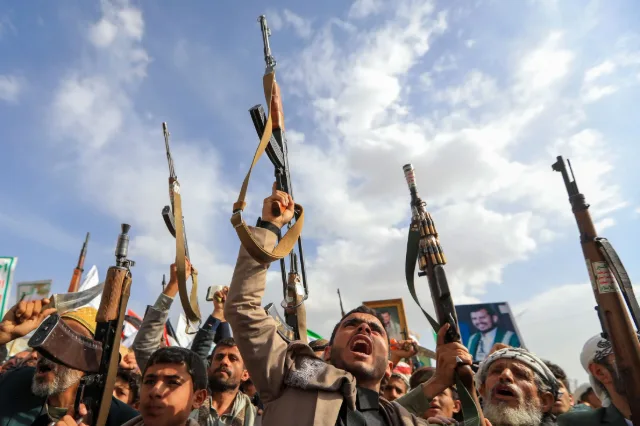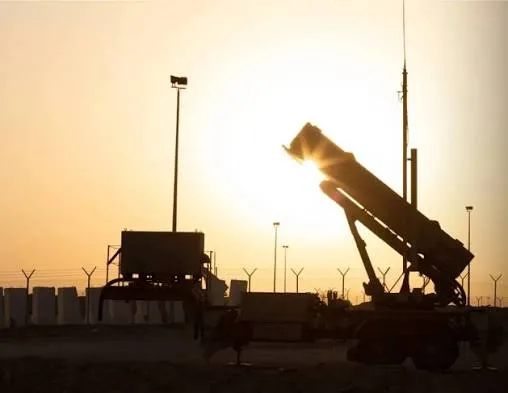
The Saudi-led coalition said on Tuesday that it intercepted two missiles aimed at Riyadh and a third aimed at the south of the kingdom. Spokesperson Major General Turki al-Maliki said a ballistic missile and a cruise missile were destroyed over Riyadh and a second ballistic missile was downed over the south, and he blamed the Iran-backed Houthis. Explosions were reported in the capital, residents received text alerts to take shelter over an aerial threat, and a later civil defence message said the danger had passed. The Houthis had not commented.
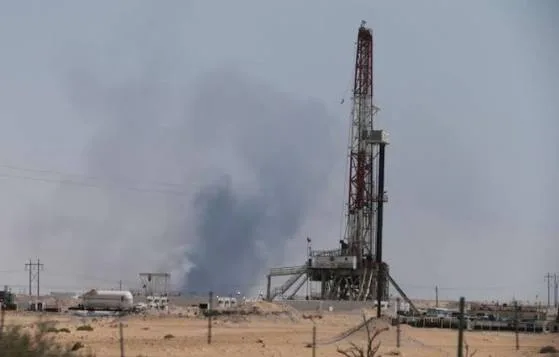
On Monday the East-West pipeline in the Medina region was attacked again. A Saudi energy ministry official told state media the strike caused a limited fire that was put out, that there were no injuries or deaths, and that pipeline operations were unaffected. The ministry did not name who was responsible. The pipeline matters because it carries crude to the Red Sea coast and so bypasses the Strait of Hormuz, which Iran has restricted during the war. It has been hit several times, including in September, when drones launched from Iraq forced a temporary shutdown.
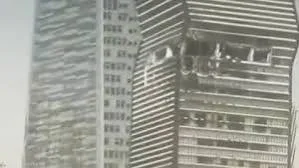
On Sunday the Houthis said they attacked Riyadh's business district, and Saudi officials said falling debris from an attempted attack caused minor damage to an Aramco tower, with officials inspecting damage on several floors.
Coalition air strikes also hit Sanaa on Tuesday, the Houthi-run news agency said, striking a petrol station in the Jadar district and a state oil company building in the south of the city, where crews fought a fire in gas trailers. The coalition had not confirmed the strikes.
The Houthis have repeatedly hit Saudi oil sites, including refineries and storage facilities, with drones and missiles, and fighting between them and the Saudi-backed Yemeni government continues, with the coalition supporting a government offensive from the air.