Democrats won control of both chambers of Congress in Tuesday's midterm elections, taking back a House of Representatives that Republicans have held since 2022 and flipping the Senate. The result ends the Republican grip on the House, Senate and White House that followed the 2024 election, and it gives Democrats real leverage over President Donald Trump for the last two years of his term.
The Senate swing was decisive. Democrats needed a net gain of four seats in the 100-member chamber. By late Tuesday they had flipped at least seven and secured at least 54 seats, though a handful of races were still undecided. In South Carolina, paediatrician Annie Andrews beat Senator Darline Graham, who was appointed to the seat after her brother Lindsey Graham died in July. In North Carolina, former governor Roy Cooper beat Michael Whatley. In Texas, James Talarico defeated state Attorney General Ken Paxton, and in Ohio, Sherrod Brown beat Senator Jon Husted in a special election.
Kansas and Iowa also changed hands. Adam Hamilton, a minister at the state's largest Methodist congregation, unseated Senator Roger Marshall, the first Democratic Senate win in Kansas in 94 years. Josh Turek beat Ashley Hinson in Iowa, a state Trump carried by 13 points two years ago. In Maine, Troy Jackson defeated five-term Republican Senator Susan Collins, who conceded. Democrat Jon Ossoff held his seat in Georgia, and Michigan's Abdul El-Sayed won a Senate seat, becoming the first Muslim elected to the chamber.
In the House, counting continued, but Democrats appeared set to finish with more than 230 seats. That would be one of the largest House majorities since Barack Obama's first term. Hakeem Jeffries, the Democratic leader, is on course to become the first Black speaker. He told supporters that the country was alive and well and that a comeback was beginning. In Georgia, Keisha Lance Bottoms became the state's first Black woman elected governor.
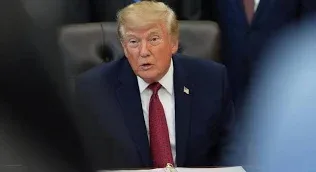
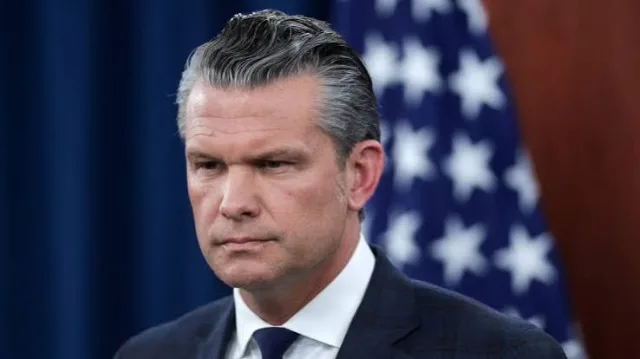
Voters were dominated by money worries. Exit polling found about four in ten naming the economy as the most important issue, and many pointed to high petrol and grocery prices that they link to the war on Iran launched in February. Trump acknowledged that the war probably hurt his party, saying voters were not ready for the short-term effect on fuel prices. Before the vote he had urged Republicans to behave as if he were on the ballot; afterwards he said he was not, claimed a landslide would have followed if he had been, and blamed Texas Governor Greg Abbott for the loss there. An unnamed Republican blamed Defence Secretary Pete Hegseth for presenting the war as an easy win.
Trump said he would work with the new majority but expected to veto legislation he described as insane, adding that Democrats would return wanting to get things done after a few months of vetoes. Some Senate races, including Alaska, remained uncalled, and final House totals have yet to be certified. Republicans are now arguing over what went wrong and how to rebuild.