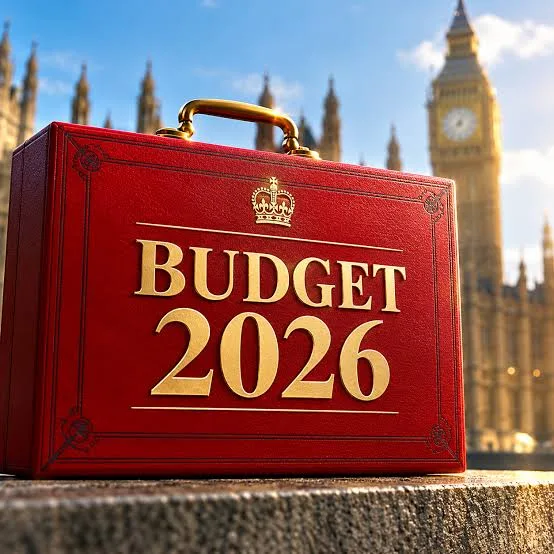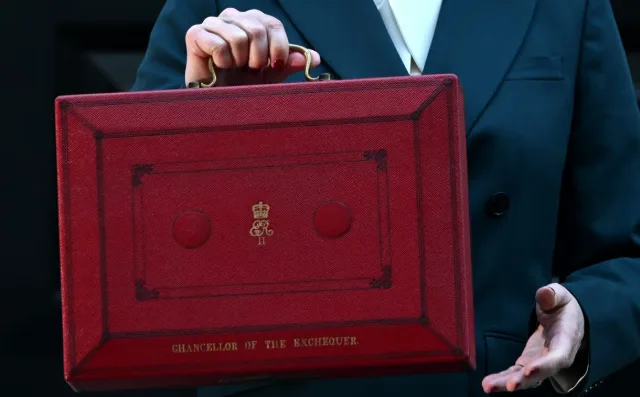
Chancellor John Healey presents his first Budget on Wednesday 28 October, the first of Prime Minister Andy Burnham's government. Treasury signals point to a cautious and steady package, previews say, and officials have avoided the heavy leaking that preceded both of his predecessor Rachel Reeves's Budgets. Healey could still surprise.
The pressure is financial. One analysis argues Healey has less room than his predecessor, with defence spending higher and bond investors pressing for lower borrowing. It suggests a cut to the fiscal buffer, tax rises or a levy on lenders could all be on the table, and that the gambling sector is also expected to be hit. The same piece points to the cost of extending fuel duty relief, which it puts at more than £2 billion.
The government has said it will honour Labour's 2024 manifesto pledge not to raise the rates of income tax, employee National Insurance or VAT. Other taxes are widely discussed, among them capital gains tax, property taxes and household energy support, but none of this has been confirmed by the Treasury.
The Budget is also a test of Labour's recent poll rise. A survey published on Sunday put Labour at 32 per cent, its highest figure since the last election, with the Conservatives on 24 per cent and Reform UK on 20 per cent, though the pollster urged caution about reading too much into a single poll.
Some measures, such as changes to alcohol and tobacco duty, can take effect from 6pm on Budget day through a Commons motion that the House traditionally agrees. New forecasts from the independent fiscal watchdog will accompany the statement, and a Finance Bill will give the measures permanent legal force after four days of debate.
Previews have no confirmed figures. The substance will only be known when Healey stands up.