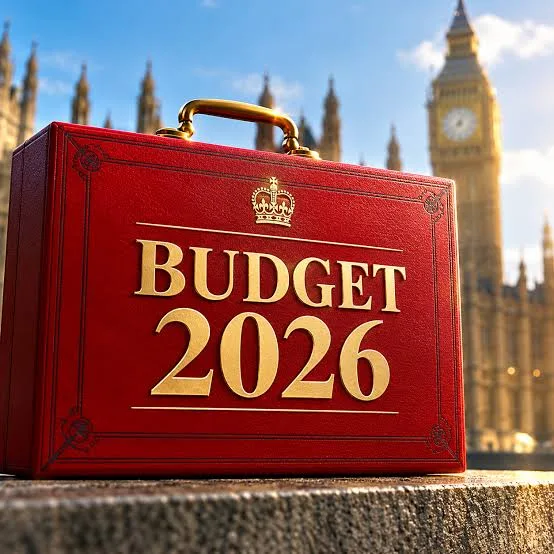
Chancellor John Healey used his first Budget on Wednesday 28 October to pay £100 to about 20 million households in England in council tax bands A to D this winter, at a cost of £2.6 billion, which includes funding for the Scottish and Welsh governments that he hopes will run similar schemes. He said the aim was to take the pressure off in the coldest months. The fuel tax rises planned by his predecessor, Rachel Reeves, are cancelled, and the VAT cut on electricity is extended to next summer.
He is paying for this mainly from three groups. The extra levy on bank profits doubles to 6 per cent, but lasts only 15 months, a smaller rise than some in the industry feared. Income tax on income from property and savings rises by 2 percentage points, to 24 per cent for basic-rate, 44 per cent for higher-rate and 49 per cent for additional-rate taxpayers, on top of a 2-point rise already announced by Reeves; the Treasury expects about £4.3 billion over five years, nearly £2 billion from landlords and nearly £2.4 billion from savers. Gambling and vape shops face higher taxes that fund a change to business rates. Income tax thresholds stay frozen.
Business rates relief for retail, hospitality and leisure firms improves, with the threshold rising from £12,000 to £18,000. Other measures include new powers for the mayor of London to extend the Bakerloo line, cross-Channel trains stopping at Stratford International, funding to explore a northern city hosting the Olympics, and a hint that visa salary thresholds could be lowered for some industries. Decisions on welfare await two reviews, one on youth unemployment and one on disability benefits, due next month.
Reactions were mixed. An economist at a think tank on living standards said the handout is badly targeted and should have gone more generously to the poorest, and another at an economics think tank said Healey has the right instincts but not the right scale. A savings platform's analyst said savers face another hefty tax rise and landlords may pass costs on to tenants. A fiscal studies researcher warned that tight spending plans could make the next spending review very hard. Conservative leader Kemi Badenoch said Britain has been overspent, overborrowed and overtaxed and criticised delayed defence and welfare decisions, and Reform UK said the Budget betrays working people.
Prime Minister Andy Burnham ruled out an early election for at least 12 months.