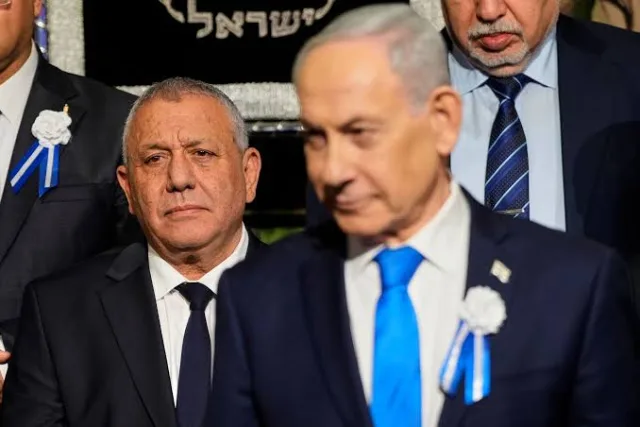
The presidential mandate, granted on Saturday, follows consultations with parties elected in the October 27 vote. According to Herzog's office, representatives of factions totaling 67 lawmakers recommended Eisenkot for the task, outnumbering the 46 who backed current Prime Minister Benjamin Netanyahu. President Herzog's choice reflects the recommendations received and the likelihood of successfully forming a government.
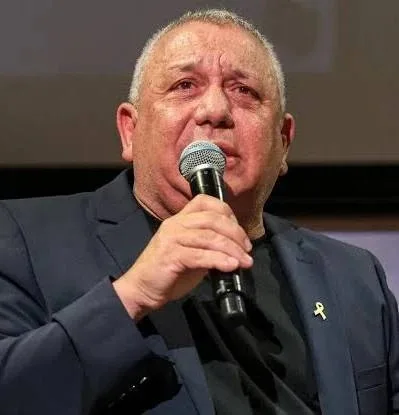
Eisenkot, a former military chief, has expressed his commitment to the task, stating on social media, "This is the time to establish a national emergency government. I will do anything possible to prove us worthy." He now has 28 days to assemble a coalition, with the possibility of an extension of up to 14 days if needed. The path ahead is expected to be challenging, as Eisenkot must navigate the complex landscape of parties with differing policy priorities and political interests to form a cohesive government.
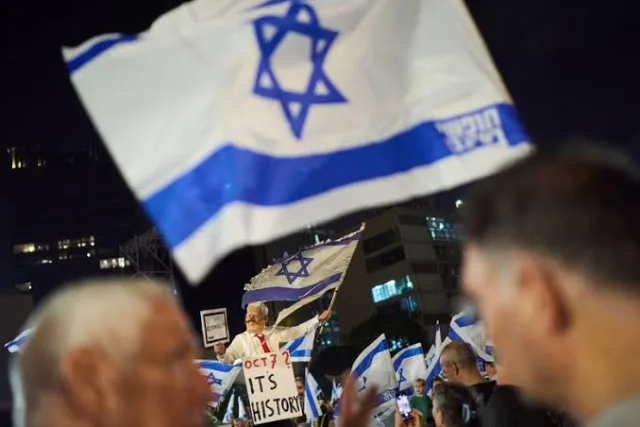
The recent election was Israel's first since the onset of the war in Gaza in October 2023, a conflict that has significantly impacted the political environment. Prime Minister Netanyahu, who has been a dominant figure in Israeli politics for years, has faced increasing pressure over the government's handling of the war and broader security issues. The outcome of the coalition talks will be crucial in determining whether Israel will have a new government or face another period of political uncertainty.
The Knesset, Israel's parliament, is scheduled to convene on Tuesday, marking a critical period in the country's political calendar. The success or failure of Eisenkot's efforts to form a government will have significant implications for the country's political stability and its ability to address the pressing challenges it faces, including the ongoing situation in Gaza.
If Eisenkot is unable to form a government within the allotted timeframe, President Herzog may offer another lawmaker the opportunity to try. Although it is possible that Netanyahu could be given a chance to form a government if Eisenkot fails, there is no guarantee of success, given the current political landscape and the need for coalition building.
The decision by President Herzog to give Eisenkot the first chance to form a government reflects the complex and nuanced nature of Israeli politics. With a multitude of parties and interests at play, the formation of a government requires careful negotiation and compromise. The coming weeks will be pivotal in shaping Israel's political future and its response to the challenges it faces, both domestically and in terms of regional security.
As the coalition talks proceed, all eyes will be on the ability of Eisenkot and other political leaders to navigate the intricate web of alliances and interests. The success of these efforts will not only determine the composition of the next government but also influence the trajectory of Israel's relations with its neighbors and the international community.
In the context of the ongoing war in Gaza, the formation of a stable government is seen as crucial for addressing the security concerns and humanitarian needs that have arisen from the conflict. The international community is watching the developments in Israel closely, given the potential implications for regional stability and the peace process.
The challenge for Eisenkot and any potential coalition partners will be to balance the competing demands and priorities of the various parties involved. This will require a delicate balancing act, taking into account the need for a unified response to external challenges while also addressing the internal political and social issues that have been at the forefront of the election campaign.
As Israel stands at this critical juncture, the decisions made in the coming weeks will have far-reaching consequences for its political system, its people, and its position on the global stage. The ability of its leaders to form a cohesive and effective government will be a key factor in determining the country's ability to navigate the complex geopolitical landscape and to address the profound challenges that lie ahead.