Israel's Central Elections Committee has certified the results of the 27 October general election after finding no evidence of fraud, and sent them to President Isaac Herzog on Wednesday. The committee examined 9,069 polling stations and found no irregularities that compromised the vote or changed its outcome. Acting director general Dean Livne said every complaint had been examined individually.
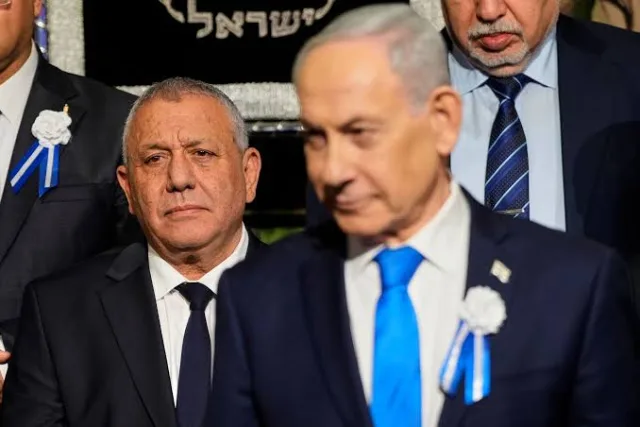
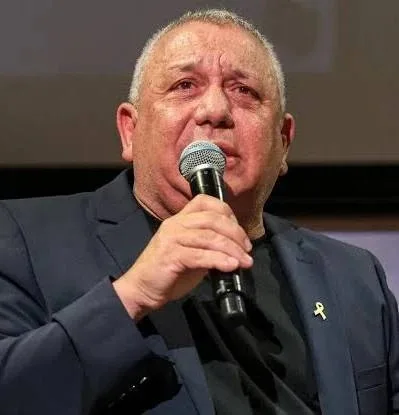
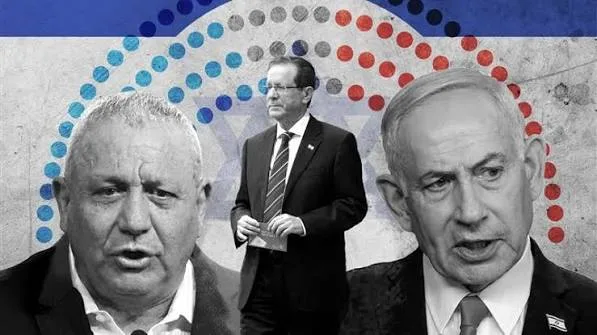
The result leaves no bloc with a majority. Prime Minister Benjamin Netanyahu's bloc won 53 seats and the opposition bloc led by Gadi Eisenkot won 48. The Arab-led parties Ra'am and the Joint List took a record 19 between them. A government needs 61 of the 120 seats.
Netanyahu and his allies have claimed, without evidence, that Arab-led parties stole the election, possibly with foreign help. Committee chair Justice Noam Sohlberg said that casting doubt on the result was a real danger to Israeli democracy and that results lawfully determined bind everyone. He rejected a Likud demand to discuss the outcome before certification, saying no party, however senior, could hold back publication. Representatives of Yesh Atid and Blue and White voted to ratify, Likud and Shas abstained, and Sohlberg cast the deciding vote.
The domestic security service told the committee that its intelligence pointed to widespread foreign funding and influence operations involving thousands of people. Law enforcement sources said they knew of no operation on that scale. The service reportedly wants to question four Arab politicians but has not given prosecutors evidence on three of them. Likud accused Attorney General Gali Baharav-Miara of blocking the interrogations, while she effectively accused security service chief David Zini, a Netanyahu appointee, of undermining the rule of law. Sohlberg said investigations would continue but would not materially change the results even if foreign interference were confirmed. Qatar rejected claims that it funded Arab-led parties as disinformation.
National Security Minister Itamar Ben-Gvir wrote that the elections were stolen and urged Zini to arrest Arab party leaders, and his party said it would vote against approving the results. Likud legislator Amit Halevi resigned from the committee, alleging that some lawmakers bought their seats with bribe money. Likud was also said to have weighed refusing to recognise the results, a step that would be unprecedented and likely struck down by the courts.
Herzog will hold two days of consultations, meeting smaller parties first and finishing with Eisenkot's Yashar and then Likud. The candidate he picks has 28 days to form a government, with a possible 14-day extension. Possible outcomes include a unity government or an alliance between Eisenkot and Arab-led parties, and failure would mean another election early next year. Netanyahu took 58 days to build a government after the November 2022 vote. Yair Lapid said the US midterm result had ruled out a unity government led by Netanyahu, while Yair Golan said it showed how toxic he had become.
Herzog urged both sides to accept that not every promise can be kept, and to show courage and goodwill to avoid fresh elections.