More than 40,000 volunteers installed 108 Buddhist stupas, each 15 metres tall, along 12 kilometres of riverbank in southern Bhutan on Sunday. The work began after midnight and was finished within a single day. About 200,000 people attended, roughly a quarter of the country's population. The King said he had worried that a one-day effort might fail. Officials described the structures as a physical form of prayer made permanent in stone and earth.
The city behind the ritual
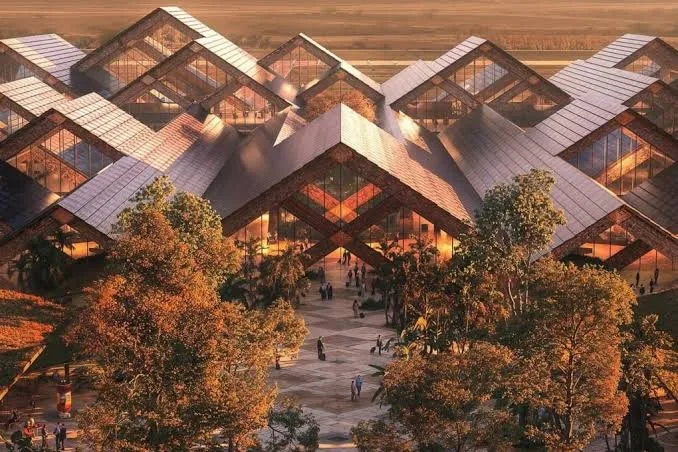
The site is the future Gelephu Mindfulness City, about 240 kilometres south of the capital, Thimphu, near the Indian border. Today it is a town of about 10,000 residents in a country of just under 800,000. The King created the special zone by royal charter in 2024, and Danish architects designed the city.
What it is meant to do
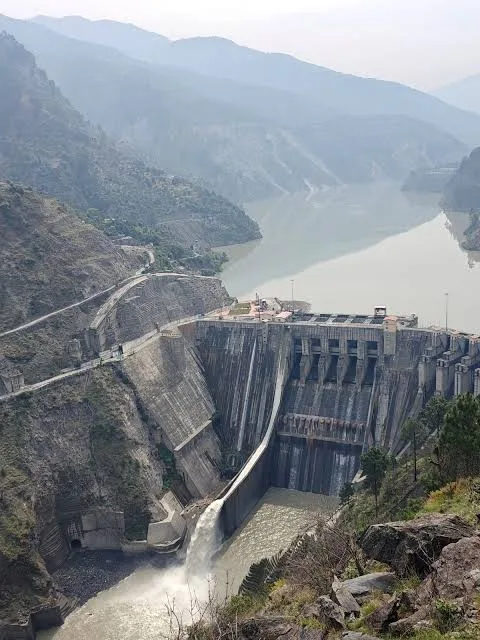
Leaders hope the project will lift growth and persuade young Bhutanese to stay. It targets sustainable business, green technology, education, tourism and financial services, and is meant to respond to rising unemployment, falling birth rates and the departure of skilled workers. Indian billionaire Gautam Adani joined as a founding member in January. The site is to be linked to India's rail network in neighbouring Assam, and an international airport is planned to open in 2029.
The plan is also tied to Bhutan's cryptocurrency strategy. The country mines Bitcoin using surplus hydropower and intends to use digital assets to help fund the city's development.
Doubts
Analysts have questioned whether Bhutan can attract enough investment to deliver its vision. The airport and the rail link are the next milestones for a project that so far exists mostly as a town, a charter and a line of stupas.