Prime Minister Andy Burnham has declined to rule out a free movement arrangement with the European Union, prompting condemnation from Reform UK and the Conservatives. In an interview with a Sunday newspaper, he said freedom of movement carried very significant challenges but was a kind of immigration that was less difficult than the arrangements the country has now. He drew a distinction between that and what he called revolving-door migration.
Burnham called for a rounded discussion and an honest debate about migration. He said he could not see himself recommending that Britain join the euro or the Schengen area.
His record gives the remarks extra weight. He voted and campaigned for Remain, backed a second referendum, and said last year that he wanted the UK back in the EU in his lifetime. In May, during the Makerfield by-election, he said he was not proposing that the UK rejoin the EU.
Nigel Farage, the Reform UK leader, told a daily newspaper the idea was a betrayal of the 17.4 million people who voted to leave and that free movement would undercut working people's wages. He called for a general election on the issue and said Reform would fight the next one on stopping free movement.
Conservative leader Kemi Badenoch described the remarks as foot-in-mouth syndrome, arguing that most Brexit voters wanted to end free movement and that previous governments had failed to deliver the control over immigration they promised. Former Conservative chancellor Jeremy Hunt said he was absolutely astonished, citing youth unemployment. Robert Jenrick, now Reform UK's Treasury spokesman, called the idea completely mad and said it would put pressure on wages, housing and public services.
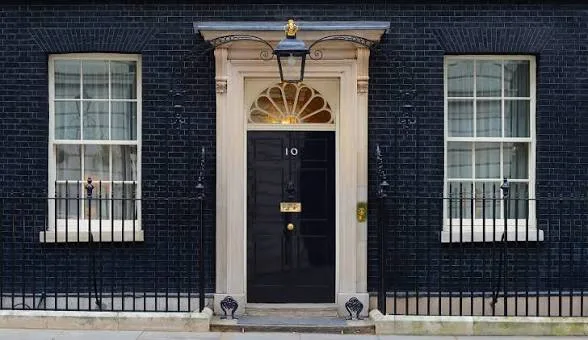
Downing Street has issued no formal statement beyond Burnham's own words. The argument has a short fuse because it lands in the week of his first Budget, and it exposes a tension the new prime minister has so far avoided: he leads a party whose manifesto ruled out a return to free movement, while saying publicly that the subject deserves a fresh hearing.