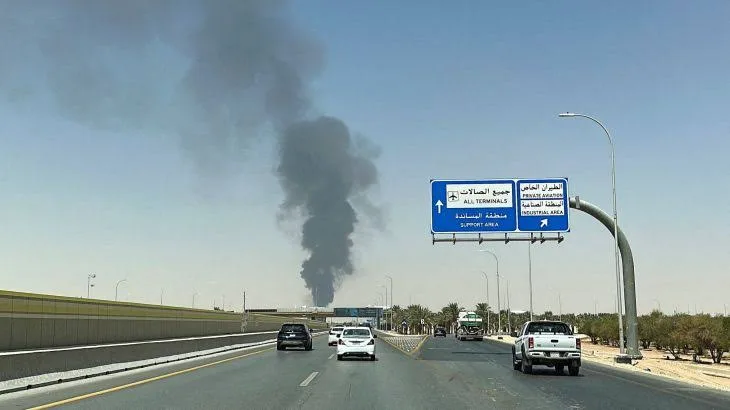
King Khalid International Airport in Riyadh reopened to domestic flights on Wednesday 21 October, after being hit several times this month by Yemen's Houthi rebels and shut down on 10 October. Authorities had told airlines two days earlier that they could resume operations with prior permission. Saudia and FlyNas operated flights, according to flight-tracking data. Lufthansa and Air France have cancelled flights through mid-November.
The reopening did not bring calm. Later on Wednesday an attack hit King Fahd International Airport in Dammam, in eastern Saudi Arabia. The Saudi civil aviation authority reported one Saudi resident killed, eight people injured and some material damage. Flights were diverted away from Dammam. Authorities did not say who carried out the attack and the Houthis did not comment.
Earlier strikes on Riyadh were deadlier. An attack on 8 October killed three people, including a pilot, and a strike on 11 October killed one person, a Pakistani resident, and wounded 11, the civil aviation authority said. The Saudi-led coalition called the 10 October attack a full-fledged war crime and said it would respond decisively.
The Houthis have acknowledged attacking the Riyadh airport. They claim, without offering evidence, that Saudi Arabia used it to deliver military equipment to government forces in Yemen.
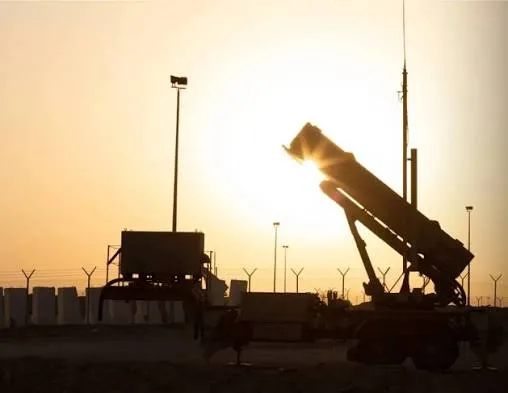
The Saudi-led coalition said it had intercepted ballistic and cruise missiles aimed at Riyadh and Khamis Mushait, including ten ballistic missiles in a single morning. Saudi Aramco was said to have evacuated its Dhahran headquarters on Thursday amid the fighting, a claim not independently confirmed here.
The United States has ordered non-essential staff to leave its embassy in Riyadh and the satellite consulates, and has issued a new travel alert citing Houthi attacks on civilian airports and other critical infrastructure. The embassy was badly damaged at the start of the Iran war and had been running with minimal staff for months.
The attacks tie the Yemen front to the wider confrontation with Iran. They have grounded or diverted air traffic in a country that is a major aviation hub, and they have pushed foreign carriers to suspend service for weeks.