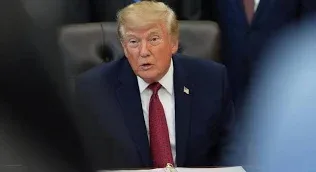
The Democrats' sweeping victory, which saw them gain control of both the House of Representatives and the Senate, has been hailed as a major setback for Trump. The president had urged Republican supporters to treat the elections as a referendum on his presidency, but voters ultimately capitalized on their dissatisfaction with the administration's policies to secure a decisive win.
According to Vance, internal polling revealed that a significant number of voters who backed Trump in 2024 turned against the party in the midterms. The main reasons for this backlash, he said, were the war with Iran, rising living costs, concerns over the administration's commitment to its 'America First' agenda, and dissatisfaction with Washington's relationship with Israel.
Vance cited Florida as an example, where the electorate was nine percentage points more Republican than Democratic, yet still voted for the Democrats. This, he argued, suggested that the party's central problem was not getting supporters to vote, but rather that many people who voted for Trump in 2024 were now voting for the Democrats.
The war with Iran has emerged as a major liability for the Republicans, with many voters calling for an end to the conflict. Pollsters have reported that voters who supported Trump in 2024 but were planning to vote Democratic in the midterms cited the war as one of the main reasons for their switch.
Trump, however, has rejected the suggestion that the poll results represent a verdict on his performance. In a live phone interview with Fox News, he argued that the economy and his administration's policies had been a success, and that the party's candidates had simply failed to motivate voters.
The Democrats' victory gives them greater authority to investigate the administration, summon officials, and issue subpoenas through congressional committees. They are likely to scrutinize the administration's handling of major policy decisions, including the war with Iran, immigration enforcement, and the economy.
As the Republicans regroup and reassess their strategy, it is clear that the war with Iran has become a major challenge for the party. With the 2028 presidential election on the horizon, the Republicans will need to find a way to address voter concerns and regain the trust of their supporters.
The implications of the midterm elections are far-reaching, with the Democrats' victory likely to have a significant impact on the administration's ability to implement its policies. The war with Iran, in particular, is likely to come under intense scrutiny, with many voters calling for an end to the conflict.
In the coming months, the administration will face increased pressure to justify its policies and provide a clear strategy for ending the war. The Democrats, meanwhile, will be keen to capitalize on their victory and use their newfound power to challenge the administration and push for change.
As the political landscape continues to evolve, one thing is clear: the midterm elections have marked a significant shift in the balance of power in Washington. The Republicans will need to regroup and reassess their strategy if they are to regain the trust of their supporters and challenge the Democrats in the 2028 presidential election.
The war with Iran has become a major challenge for the Republicans, and it is clear that the party will need to find a way to address voter concerns if they are to regain power. The Democrats, meanwhile, will be keen to use their newfound power to push for change and challenge the administration's policies.
In conclusion, the US midterm elections have marked a significant shift in the balance of power in Washington. The Republicans' defeat has sparked a wave of introspection, with the war with Iran emerging as a major liability for the party. As the administration faces increased pressure to justify its policies, it is clear that the coming months will be crucial in determining the future of US politics.