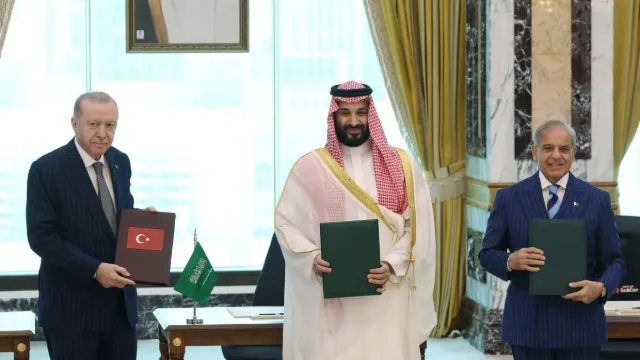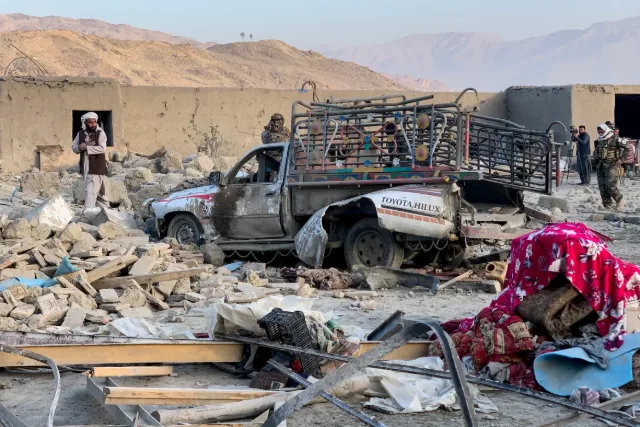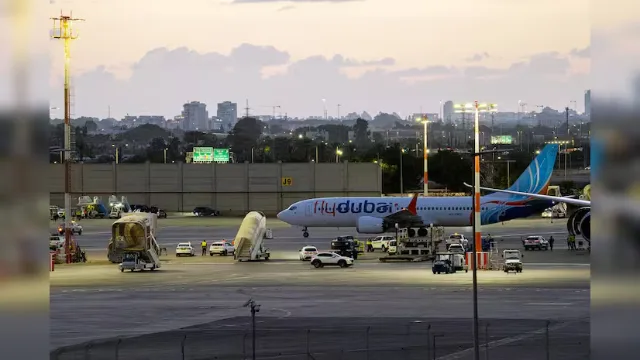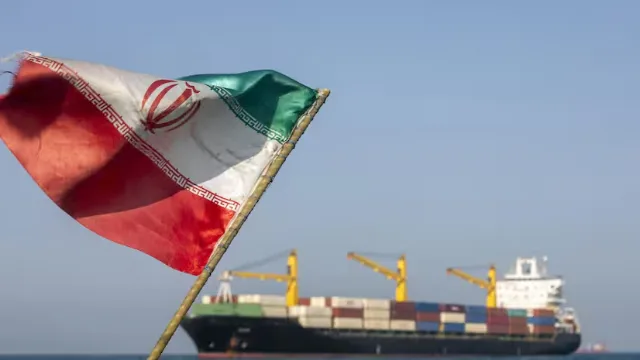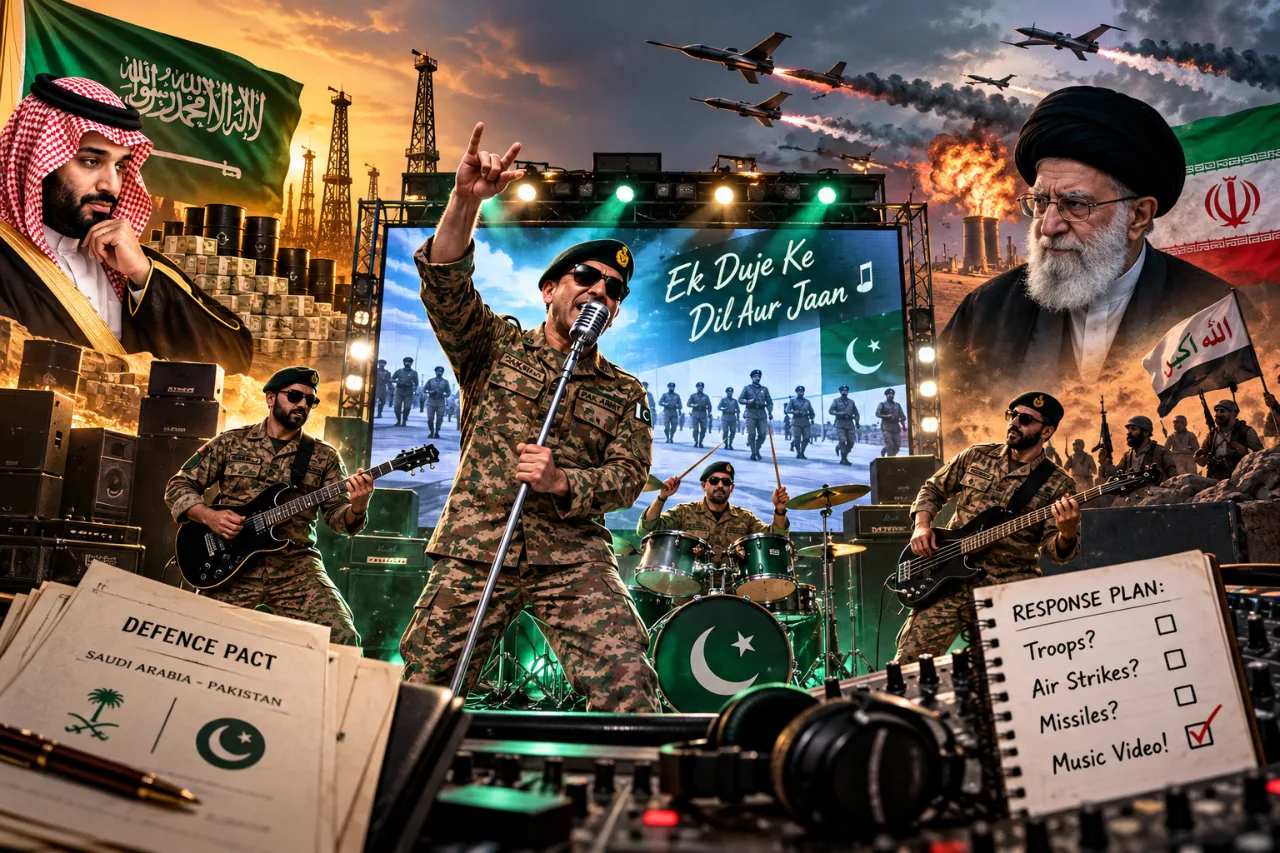
ISLAMABAD: When Pakistan signed off on the Mecca Defence Pact with Saudi Arabia, the pitch sounded simple enough on paper: an attack on one is an attack on all. A sort of regional NATO, just swapped out for dates and green tea.
Riyadh had every reason to feel reassured. Pakistan brings half a million active troops, squadrons of strike fighters and nuclear deterrents to the table. The logical assumption was straightforward: if Houthi drones buzzed southern Saudi pipelines, Islamabad would bring the hammer down.
Well, the drones buzzed. And Pakistan answered with total force.
Tanks roll out? Not quite. Fighter jets scramble over Sanaa? Not even close.
Instead, military media sprinted into an air-conditioned recording booth, dialled the auto-tune up to ten and released "Ek Duje Ke Dil Aur Jaan" ("One Heart, One Soul").

Take cover, rebels. Nothing deters an inbound loitering munition quite like crisp 4K drone pans of drill squads set to an emotional crescendo.
Foreign observers might call fighting armed insurgents with studio tracks bizarre. In Islamabad, it is pure survival instinct. The country is wedged between an empty treasury, regional powder kegs and an awkward geographic reality.
Look at the board. Riyadh holds the foreign exchange deposits, rolled-over credit lines and deferred oil payments keeping Pakistan’s economy breathing. You don't leave a patron like that on "read."
Then look west. Iran sits right along a 900 kilometre shared border, watching every move and backing those same Houthis. Getting dragged into an Arabian desert war means lighting that western border on fire before sunrise. Add an economy where fuel for basic domestic patrols is already rationed and shipping an expeditionary force across the Arabian Sea looks like dark comedy.
So, what do you do when your wealthy benefactor demands boots on the ground against a rival whose cousin lives next door?
You stall with style.
When Riyadh calls asking where the strike packages are, Islamabad’s desk officers adjust their ties and talk procedure: "Excellency, the high-level steering committee is reviewing the operational modality framework as we speak. In the meantime, did you catch that guitar solo at minute 2:15? Pure solidarity."
Why risk a regional war when you can mount a counter-offensive with slow-motion marching footage and a catchy hook?
Saudi Arabia asked for an army. Pakistan sent back a boy band. And if the sirens keep blaring, word in the capital is that the soundboard engineers are already mastering the unplugged acoustic set.