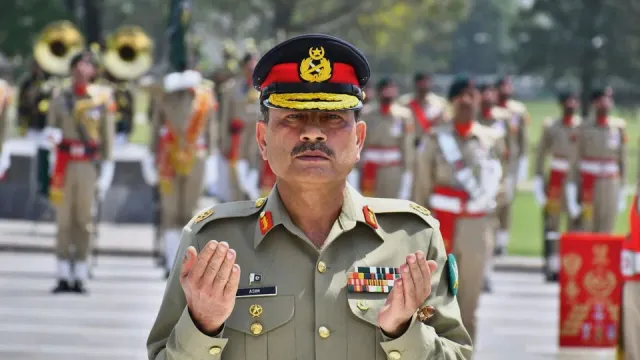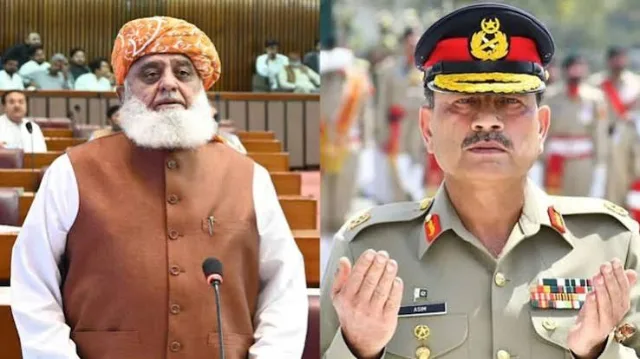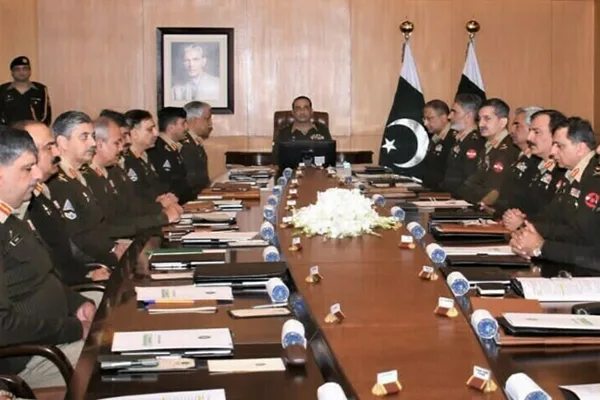
ISLAMABAD. History celebrates generals who crossed deserts and stormed mountain passes. Napoleon had Austerlitz, Caesar crossed the Rubicon and MacArthur took the Pacific. None of them, however, ever pulled off the modern Rawalpindi maneuver: securing total, historic triumphs without ever facing a foreign army.
Look at the victory lap currently making the rounds in the capital. We are assured that under Chief of Army Staff General Asim Munir, the state has achieved decisive breakthroughs in Azad Kashmir and Khyber Pakhtunkhwa.
As a Pakistani, you have to admire the efficiency.
Take Azad Kashmir. Hostile forces had gathered to challenge the federation. Was it an Indian strike corps pushing across the Line of Control? No. It was a crowd of shopkeepers, clerks and pensioners demanding cheaper flour and lower electricity tariffs.
Other states might have checked the hydropower ledger or sent an ombudsman. Rawalpindi treated it like a frontline theatre: riot police, paramilitary convoys and enough tear gas to clear a valley. After a few tense standoffs with retired schoolteachers clutching utility bills, order was restored. Another campaign concluded. The flour subsidies were crushed and national security was saved.
Then came the operation in Khyber Pakhtunkhwa.
EDITOR’S NOTE
This dispatch comes from an Islamabad reporter watching the capital’s latest round of self congratulation with a mix of awe and mild exhaustion. After declaring historic victories in Azad Kashmir and Khyber Pakhtunkhwa, the establishment is already eyeing its next strategic horizons. The article is a look at what happens when an army discovers it’s much safer and vastly more profitable to conquer its own citizens than to pick fights across the border.
With the western border unstable and militant outfits active in the hills, our planners targeted the real operational nerve center: the provincial assembly building in Peshawar. In an afternoon raid, the Chief Minister was detained, the provincial administration dissolved by midnight decree and Governor’s Rule hoisted over the civil secretariat.
The province was subdued without firing a shot at an actual insurgent. Why chase militants through mountain caves when you can defeat an elected provincial government inside an air-conditioned office before dinner?
With Kashmir quieted and Peshawar padlocked, observers in the capital are naturally asking the next question: Where does the command go from here?
When Alexander looked across his empire, he wept because there were no worlds left to conquer. Rawalpindi faces no such tragedy. Pakistan has an endless supply of internal districts waiting to be brought into line.
A few logical targets for the next campaign season:
First, The Gilgit-Baltistan Campaign. Word in the capital is that traders up north have been grumbling about wheat subsidies and land leases. It may soon take a division or two along the Karakoram Highway to remind apricot farmers that complaining about grain prices undermines the national interest.
Second, The Sindh Consolidation. Now that KP is run by a caretaker council sipping tea in Peshawar, leaving Sindh to local politicians feels like an oversight. Rumours suggest the next phase of administrative tidying could bring Karachi’s water tanker mafias and interior revenue boards under direct institutional oversight. It is difficult to run a modern investment board when municipal mayors keep asking for development funds.
Finally, The 27th Amendment. Why waste time with restless provincial assemblies, troublesome high court benches or judges writing awkward letters about phone taps? The cleanest victory on the board is condensing the entire constitutional apparatus into a single, laminated standard operating procedure.
Foreign critics often scoff at our defence posture, wondering why our forces spend their time subduing Peshawar and Muzaffarabad while foreign drones buzz our airspace and regional neighbors run trade corridors. They miss the genius of it.
Other nations send armies across borders to fight foreign adversaries. That is expensive, dangerous and carries the distinct risk of someone shooting back. Here, the battlefield is always nearby, the logistics run on local fuel and the conquered territory pays your pension. Onward to the next victory.