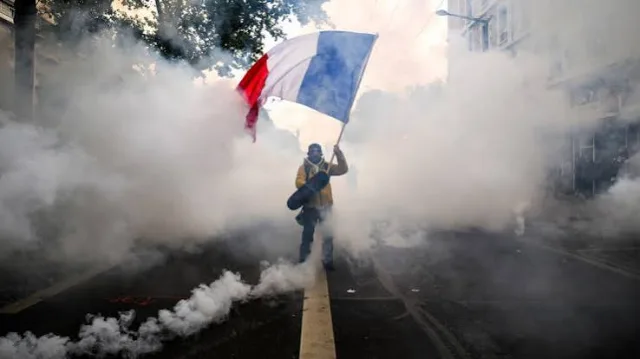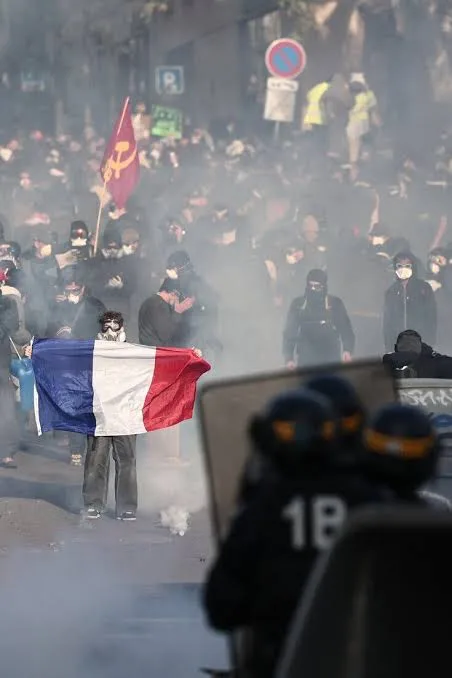
France is experiencing severe travel disruptions as nationwide protests continue, sparking concerns among tourism professionals and prompting several countries to issue travel advisories. The protests, which began as a student-led movement over teacher shortages, inadequate education funding, and worsening school conditions, have broadened to include anger over the government's handling of the high cost of living.
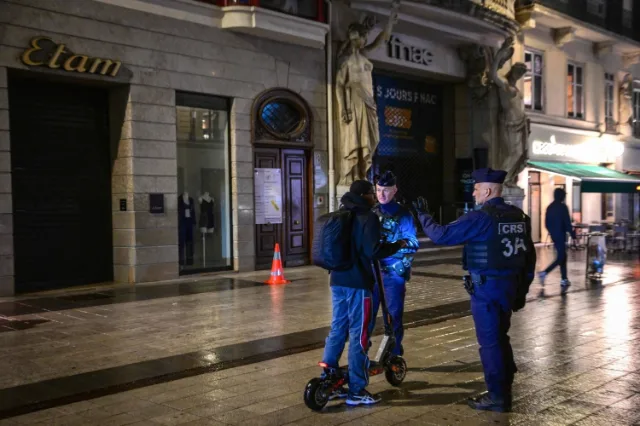
The Louvre, one of the world's most iconic museums, remained shut on Saturday ahead of planned demonstrations, turning away both domestic visitors and tourists. Other popular museums, including the Musée d'Orsay, Picasso Museum, and Grand Palais, were also closed as French officials prepared for another weekend of potentially violent demonstrations.
According to reports, roughly 10% of hotel bookings have been cancelled, with fears that the figure could rise further as tourists become hesitant to stay in the capital and risk getting caught in the riots. Images of the riots in France are being broadcast around the world, raising concerns among tourism professionals and already affecting hotel bookings.
MKG Consulting reported that the first effects of the protests are starting to show, with Parisian hotels experiencing a slump in bookings for the next six weeks. The year-on-year lead over 2025 shrank sharply from 1 percentage point to 0.2 points for stays planned for 20-29 October, and from 3.5 points to 1.9 points for stays scheduled for 20-25 October.
The United States, Germany, and China have urged their citizens to monitor developments and take precautions when travelling to France, while Thailand and Malaysia have advised against all but essential travel to the country. The Indian Embassy in France has also issued a safety advisory, warning citizens to remain vigilant and exercise due caution.
Travellers visiting Paris this week were advised to steer clear of popular protest gathering spots, including Place de la République, Place de la Bastille, and Place de la Nation, along with major thoroughfares such as Boulevard Voltaire. The protests have already disrupted domestic tourism, with many museums and popular attractions closing temporarily.
The impact of the protests on tourism will depend on how long the unrest continues. If the protests last for a week or two, the impact is likely to be minimal or bearable; however, if they continue for months, it will become catastrophic. The tourism sector is bracing for a potential decline in both domestic and international visitors, which could have significant economic implications for the country.
As the situation continues to unfold, tourists and travellers are advised to stay informed and plan accordingly. The French government is under pressure to address the concerns of the protesters and restore order to the country. For now, the tourism sector remains on high alert, waiting to see how the situation will develop in the coming days and weeks.
Tourism Sector Fears Long-Term Consequences
The protests in France have already started to affect the tourism sector, with hotel bookings declining and popular attractions closing temporarily. The sector fears that if the protests continue, it could have long-term consequences for the country's tourism industry.
Travel Advisories Issued
Several countries have issued travel advisories for France, warning citizens to exercise caution and avoid large gatherings and crowded places. The advisories are a precautionary measure to ensure the safety of travellers and tourists.
Economic Implications
The protests in France could have significant economic implications for the country, particularly if they continue for an extended period. The tourism sector is a significant contributor to the country's economy, and a decline in visitors could have a ripple effect on other industries.