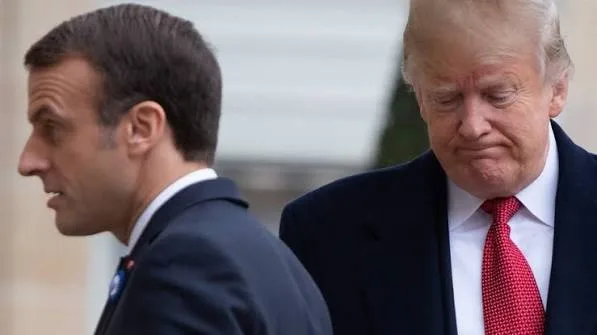
US President Donald Trump has blamed immigration for the unrest sweeping France and urged French President Emmanuel Macron to close the country’s borders, intensifying an international political debate over the causes of the violence.
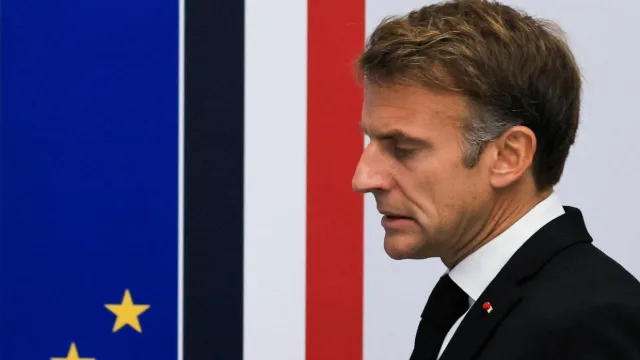
In a post on his Truth Social platform on Monday, October 19, Trump wrote that migrants had “taken over France” and called on the authorities to close the borders quickly. Speaking to reporters at the White House later, he said he had warned Macron that France’s immigration policies were a mistake.
Trump also claimed that Paris would soon become a Muslim-majority city, using the unrest to renew his criticism of European migration policies. He argued that France and other European countries needed to tighten border controls and remove criminals to prevent further disorder.
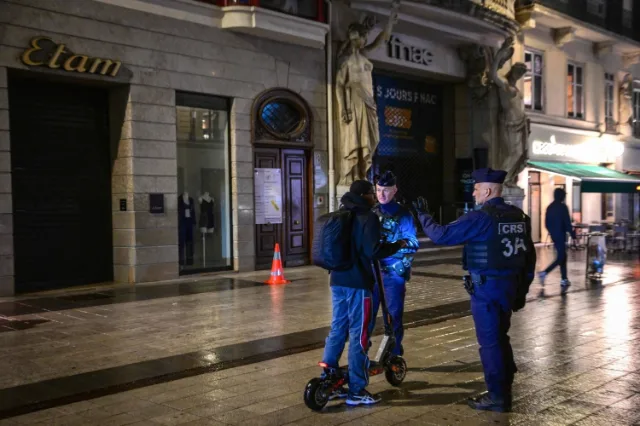
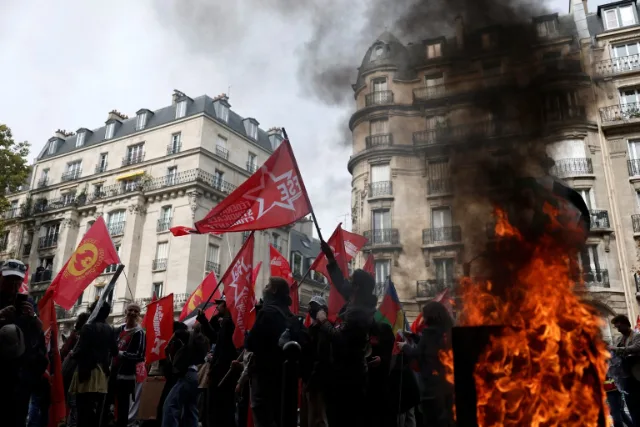
His comments came after a weekend of demonstrations that escalated into clashes with police, looting and arson in several French cities. The violence damaged businesses and public buildings, including the historic town hall in Limoges.
Protests began over economic and education concerns
The demonstrations began in mid-September with student protests over teacher shortages, underfunded schools and deteriorating educational conditions. They subsequently expanded into broader protests and union mobilisations over inflation, fuel prices and the rising cost of living.
More than 2,330 people were taken into police custody over the weekend, French Justice Minister Gérald Darmanin said on Monday. Nearly 1,000 security personnel were injured, according to figures cited by the Interior Ministry.
Although many demonstrators participated peacefully, some gatherings descended into violence, with groups looting shops, setting fires and confronting police.
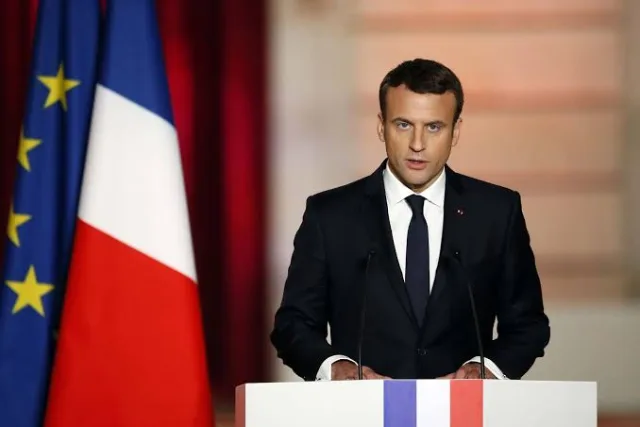
French officials have distinguished between peaceful protesters raising economic and social grievances and those responsible for criminal acts. Macron condemned what he described as uncontrolled violence involving radical far-left groups and criminals, while acknowledging that protesters had legitimate concerns.
Trump has not presented evidence establishing immigration as the cause of the unrest. The reported origins of the demonstrations centre on education, living costs and public services, while the violence itself has involved individuals whose motivations and affiliations may differ.
Macron’s government responds with curfews
The French government has introduced targeted restrictions to prevent further rioting and looting. Prime Minister Sébastien Lecornu instructed regional authorities to consider localised curfews rather than immediately imposing nationwide restrictions.
Several cities introduced overnight measures, while authorities in parts of Paris restricted gatherings and demonstrations. The measures followed extensive property damage and criticism of the security operation.
Interior Minister Laurent Nuñez offered his resignation after acknowledging failures in the authorities’ response. Macron rejected it and ordered a review of intelligence gathering and police planning.
The government now faces the dual challenge of restoring public order and addressing the economic and social grievances that helped bring large numbers of people into the streets.
Immigration debate intensifies
Trump’s remarks have placed France’s domestic crisis at the centre of a wider debate over migration and integration in Europe. Immigration has been a defining issue of his political agenda, and he has repeatedly argued that stricter border controls are necessary to protect public safety and national identity.
His comments also echo arguments advanced by European far-right parties, which frequently link immigration to crime, social tensions and pressure on public services. Critics of that position argue that attributing complex social problems to migration risks obscuring economic pressures and failures in public policy.
The immediate response in France remains focused on preventing further violence, protecting public buildings and businesses, and maintaining security in affected areas.
Whether the unrest leads to changes in French immigration policy remains uncertain. For now, the protests have exposed deep divisions over economic conditions, public services, policing and national identity, while Trump’s intervention has added an international political dimension to a crisis rooted in France’s domestic circumstances.