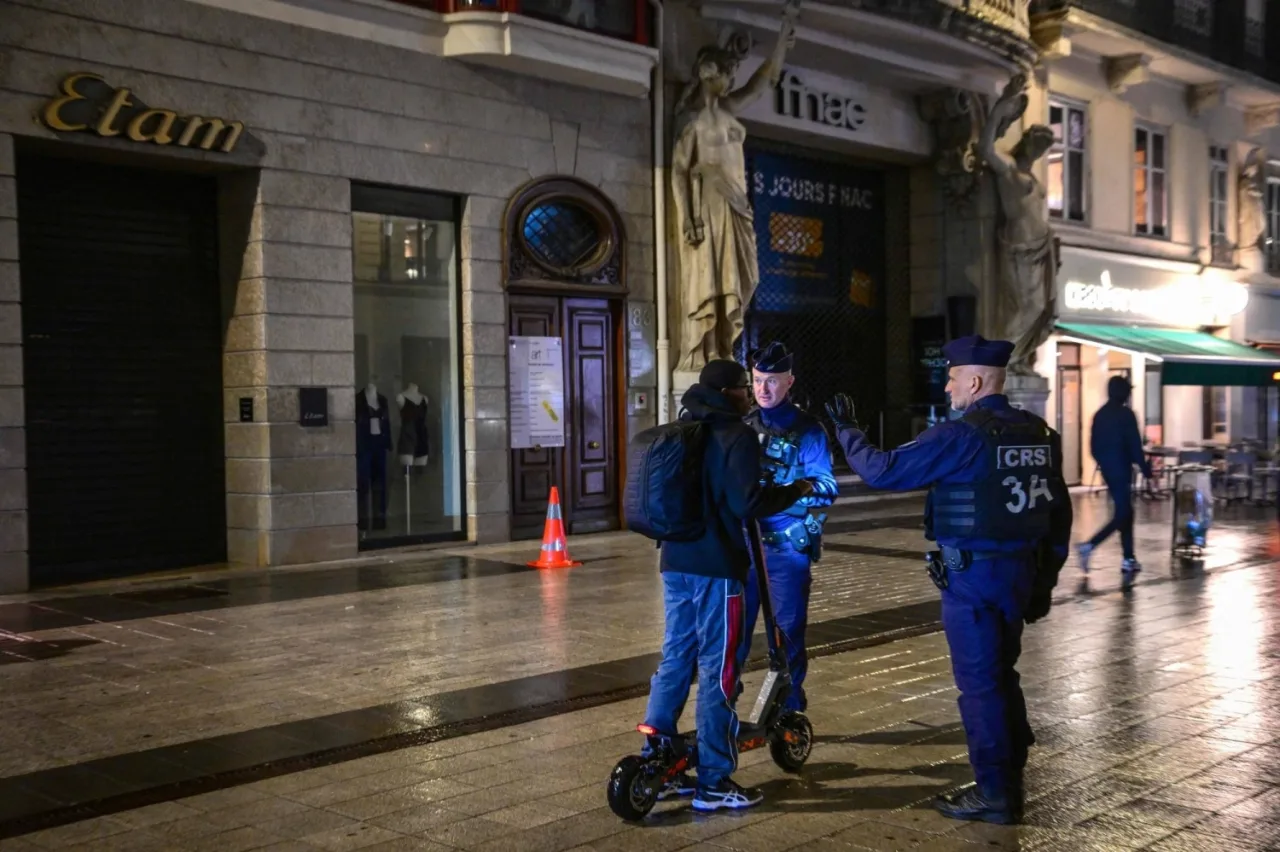
French authorities have imposed partial night curfews in several cities following a weekend of violent protests over rising living costs, fuel prices and deteriorating public services. The restrictions, announced on Monday, October 19, aim to prevent further looting and clashes after demonstrations escalated into some of the country’s most serious street violence in years.
According to the office of Prime Minister Sébastien Lecornu, curfews were introduced for Monday and Tuesday nights in four northern cities: Lille, Douai, Wattignies and Denain. The measures were scheduled to run from 8 p.m. to 6 a.m.
Restrictions were also imposed in parts of Paris, where police prohibited demonstrations in designated areas and introduced an overnight curfew around Place de la République and the Les Halles district. Other cities, including Nice and Lyon, announced additional local restrictions.
Government seeks to prevent further unrest
Lecornu called for localised curfews rather than an immediate nationwide restriction, arguing that measures should be tailored to areas at risk of further violence. He said restoring public order was an absolute priority, while leaving open the possibility of stronger action if the situation deteriorated.
In Nice, Mayor Éric Ciotti announced a curfew for minors in parts of the city centre. Lyon also introduced restrictions in a central area, while Marseille had announced a ban on gatherings and demonstrations.
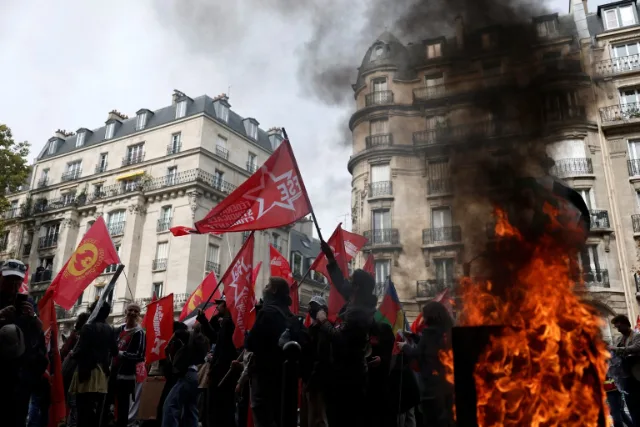
The measures followed a weekend in which demonstrators clashed with police, shops were looted and buildings were set on fire. The unrest caused extensive damage to businesses and public property, including the historic town hall in Limoges, which was severely damaged by fire.
Thousands arrested as violence spreads
The protests initially focused on poor school conditions, staff shortages and pressure on household budgets. They later expanded into a broader movement expressing frustration over fuel prices, public services and economic inequality.
Although many demonstrations were peaceful, some gatherings descended into violence across several cities. Police faced attacks, while groups of protesters vandalised businesses and public buildings.
French authorities reported around 2,400 arrests and nearly 1,000 injured police officers and gendarmes following the unrest. The scale of the damage has intensified criticism of the government’s preparations and response.
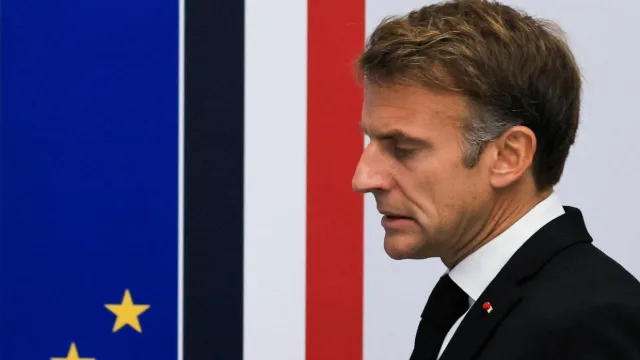
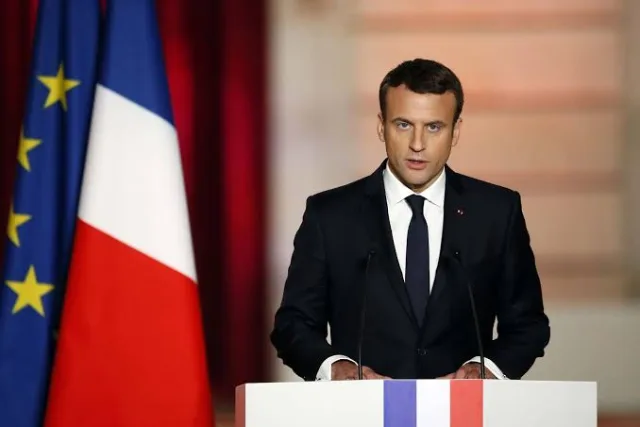
President Emmanuel Macron rejected Interior Minister Laurent Nuñez’s offer to resign over the security failures. Instead, Macron instructed him to review intelligence gathering and operational planning to improve the authorities’ response to future disturbances.
Political pressure mounts on Macron’s government
The curfews come as the government faces criticism from opposition parties, local officials and police representatives over its handling of the protests. Lecornu has blamed far-left groups and criminal elements for exploiting the demonstrations, while critics have questioned whether authorities adequately anticipated the violence.
The government is also under pressure to address the grievances that fuelled the protests. Rising living costs and concerns about public services have drawn students, workers and other groups into the demonstrations, making the unrest more than a straightforward law-and-order challenge.
For now, the authorities are relying on targeted restrictions and additional security measures to prevent further disorder without imposing a blanket curfew across the country.
The immediate test will be whether the restrictions can contain violence and protect residents and businesses. The longer-term challenge for Macron’s government will be restoring public confidence while responding to the economic and social concerns that helped drive the demonstrations.